Artemisia gorgonum
Artemisia gorgonum · Accepted scientific name
Scientific literature: Very Sparse (1 studies) · ★☆☆☆☆
Artemisia gorgonum is a medicinal plant recognized for its significant therapeutic potential in traditional medicine. Scientific investigations have specifically highlighted its potent antiplasmodial activities, making it a subject of interest for malaria research. Researchers typically evaluate its biological properties using various preparations, including ethanolic extracts. Additionally, aqueous extracts prepared as infusions are commonly used to explore its medicinal efficacy. These diverse methods of extraction allow for a comprehensive understanding of the plant's bioactive compounds.
- Synonyms
- Not available
- Common names
- Not available
- Family
- Asteraceae
- Distribution
- Northern America
- Plant Parts
- Not available
Classification
Common Names
Artemisia gorgonum is a distinctive plant species recognized by its common name, Cape Verde Sagebrush. This aromatic shrub plays a unique role within its native ecological landscape. Its specific identity distinguishes it from other members of the Artemisia genus found across the globe. Botanists and local residents alike value the plant for its characteristic presence in the region. Understanding this relationship between its scientific and common names helps clarify its botanical classification.
Sources: Catalogue of Life (COL)
Taxonomy
Artemisia gorgonum is a distinctive member of the kingdom Plantae. Within this vast biological realm, it belongs to the class Equisetopsida. This species is further classified under the order Asterales, showcasing its evolutionary lineage. It is a proud representative of the Asteraceae family, characterized by its unique botanical traits. Ultimately, this plant is defined by its placement within the well-known genus Artemisia.
| Rank | Classification |
|---|---|
| Kingdom | Plantae |
| Phylum | Streptophyta |
| Class | Equisetopsida |
| Subclass | Magnoliidae |
| Order | Asterales |
| Family | Asteraceae |
| Genus | Artemisia |
Sources: The World Checklist of Vascular Plants (WCVP)
Distribution
Geographic Regions
Artemisia gorgonum is a notable plant species with a specialized geographic range. Its primary distribution spans across various regions of Africa, showcasing its adaptability to diverse landscapes. Additionally, the species is found within the Macaronesia archipelago, highlighting its presence in unique Atlantic environments. The Cape Verde islands also serve as a key part of its natural habitat. Together, these locations define the distinct ecological footprint of this remarkable plant.
Sources: The World Checklist of Vascular Plants (WCVP)
Identification
Morphology
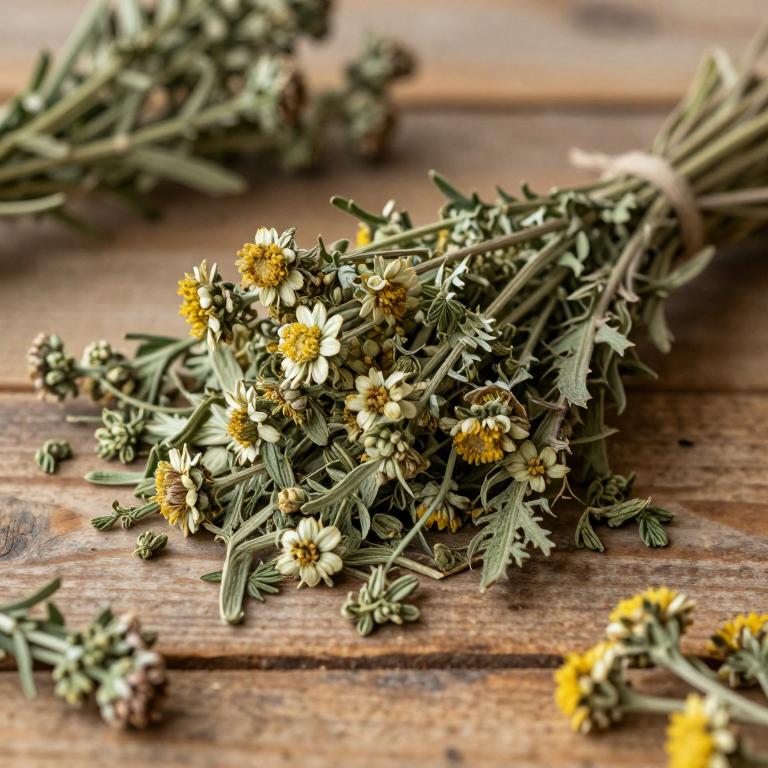
Artemisia gorgonum is characterized by its distinct shrub-like growth form.
Sources: Global Inventory of Floras and Traits (GIFT)
Biological Activities
Artemisia gorgonum has demonstrated significant antiplasmodial activity against both chloroquine-sensitive and chloroquine-resistant strains of Plasmodium falciparum. During in vitro testing, the ethanolic extract of this native Cabo Verdean plant exhibited high potency with an EC50 value of less than 5 μg/mL. Crucially, the study found that this extract operated without inducing cytotoxicity in the tested cell lines. The plant's effectiveness was specifically noted in its ability to target the early ring stages of the parasite's life cycle. These findings provide scientific support for the traditional medicinal use of the species and highlight its potential as a future antimalarial agent.
Compounds
Artemisia gorgonum is a native medicinal plant from the Cabo Verde Islands that holds significant potential for therapeutic use. Recent studies investigating its polyphenolic composition have confirmed that the plant contains valuable compounds such as kaempferol and quercetin. These specific flavonoids contribute to the plant's robust biological profile, which includes a high antioxidant capacity. Furthermore, the ethanolic extracts of this species have demonstrated remarkable effectiveness in inhibiting the growth of various tumor cell lines. Such findings highlight the importance of exploring this plant as a source for new treatments in modern medicine.
Conditions
Artemisia gorgonum demonstrates significant medicinal potential through its ability to treat various health conditions. Research indicates that the plant's ethanolic extracts are highly effective at treating tumor growth by inhibiting specific cell lines. Specifically, it has been shown to treat AGS and CaCO2 cells through potent cytotoxic properties. Furthermore, the plant serves as an effective agent to treat malaria infections, particularly against Plasmodium falciparum strains. These diverse bioactive properties highlight its therapeutic value in managing both parasitic and oncological challenges.
Preparations
Artemisia gorgonum is prepared as ethanolic extracts to investigate its various bioactive properties. These ethanolic extracts have demonstrated significant antioxidant capacity and effective cytotoxic properties against specific tumor cell lines. In addition to these uses, the plant is also prepared as aqueous extracts, specifically in the form of infusions, following traditional medicinal practices. Research into these different preparations shows that the ethanolic extracts of the plant exhibit high antiplasmodial activity against malaria parasites. Together, these two methods of preparation allow for the study of the plant's ethnopharmacological potential in treating various health conditions.