Artemisia gmelinii var. gmelinii
Artemisia gmelinii var. gmelinii · Accepted scientific name
Scientific literature: Very Sparse (0 studies) · ★☆☆☆☆
Artemisia gmelinii var. gmelinii is a plant species that has garnered significant scientific interest due to its diverse pharmacological potential. Research involving various preparations, such as 30% ethanol extracts and the ethanol-soluble or insoluble parts of hot-water extracts, has highlighted its complex chemical profile. Notably, the presence of compounds like 3-O-methyl-isosecotanapartholide suggests specific bioactive properties within the species. Studies have focused on its effects against physiological conditions including hyperlipidemia, hypotension, and toxicity induced by 1-Methyl-4-phenyl-1,2,3,6-tetrahydropyridine and 1-Methyl-4-phenylpyridinium. Through these investigations, the plant continues to serve as a critical subject for understanding natural therapeutic agents.
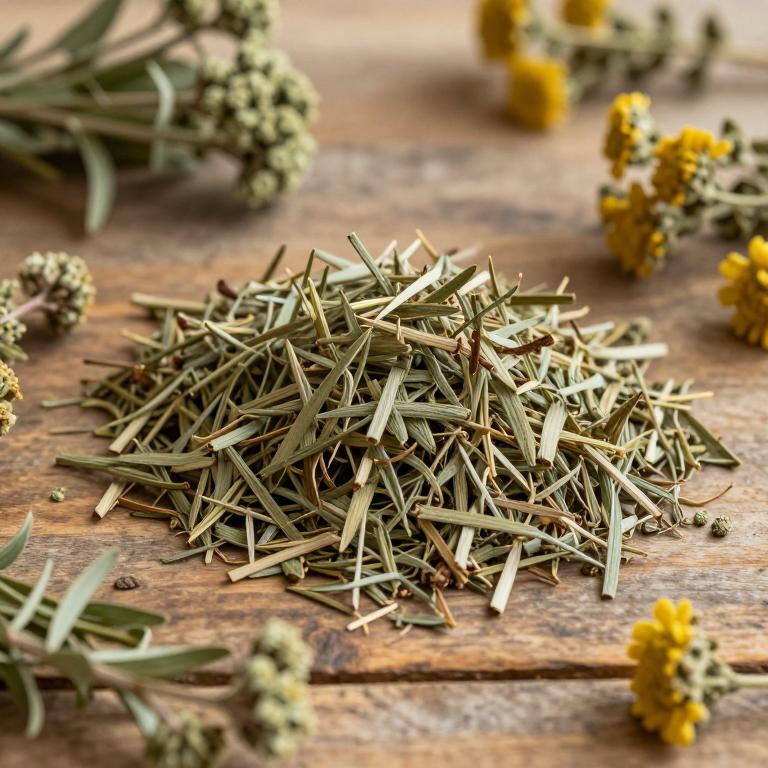
- Synonyms
- Artemisia Sacrorum F. Discolor · Artemisia Sacrorum F. Platryphylla · 24 more
- Common names
- Not available
- Family
- Asteraceae
- Distribution
- Not available
- Plant Parts
- Not available
Classification
Synonyms
Artemisia gmelinii var. gmelinii is a complex botanical taxon that encompasses several important taxonomic synonyms. Within its classification, it is closely linked to Artemisia baicalensis, reflecting overlapping morphological characteristics. The variety also incorporates distinct subspecies, specifically Artemisia gmelinii subsp. intermedia and Artemisia gmelinii subsp. latiloba. Furthermore, its botanical identity includes the variations known as Artemisia gmelinii var. biebersteiniana and Artemisia gmelinii var. discolor. Understanding these relationships is essential for accurate plant identification and consistent scientific documentation.
Sources: The World Checklist of Vascular Plants (WCVP)
Taxonomy
Artemisia gmelinii var. gmelinii is a specialized botanical specimen belonging to the kingdom Plantae. Within this vast kingdom, it is classified under the class Equisetopsida. The plant is further organized into the order Asterales, showcasing its specific evolutionary placement. It falls under the widely recognized genus Artemisia, which defines its fundamental characteristics. Finally, its taxonomic journey concludes within the diverse family Asteraceae.
| Rank | Classification |
|---|---|
| Kingdom | Plantae |
| Phylum | Streptophyta |
| Class | Equisetopsida |
| Subclass | Magnoliidae |
| Order | Asterales |
| Family | Asteraceae |
| Genus | Artemisia |
Sources: The World Checklist of Vascular Plants (WCVP)
Distribution
Geographic Regions
Artemisia gmelinii var. gmelinii is a resilient plant species primarily distributed across the temperate regions of Asia. Its presence is particularly notable throughout Central Asia, where it can be found in the diverse landscapes of Kazakhstan, Kyrgyzstan, Tajikistan, and Uzbekistan. Beyond these central territories, the variety also extends its reach into the northern-central regions of China. This broad geographic range highlights its ability to adapt to the varied environmental conditions found across these vast continental stretches. Consequently, understanding its distribution provides valuable insight into the botanical makeup of the Asian-Temperate zone.
Sources: The World Checklist of Vascular Plants (WCVP)
Identification
Biological Activities
Compounds
Artemisia gmelinii var. gmelinii contains 3-O-methyl-isosecotanapartholide, a sesquiterpene that has garnered significant scientific interest. Research involving related species like Artemisia iwayomogi has demonstrated that this specific compound can effectively inhibit nitric oxide synthesis. By downregulating the expression of the inducible nitric oxide synthase enzyme, the substance helps prevent the overproduction of nitric oxide in activated cells. Such a mechanism is crucial because excessive nitric oxide levels are often linked to severe inflammation and hypotension. Consequently, identifying these bioactive agents offers promising pathways for developing new medicinal treatments to modulate inflammatory responses.
Conditions
Artemisia gmelinii var. gmelinii, also referred to as Artemisia iwayomogi, demonstrates significant therapeutic potential by treating neurotoxicity induced by 1-Methyl-4-phenylpyridinium and 1-methyl-4-phenyl-1,2,3,6-tetrahydropyridine. The plant helps protect dopaminergic neurons and alleviates motor dysfunction by combating the oxidative stress caused by these specific neurotoxins. Furthermore, the herb serves as a promising candidate for treating Alzheimer's disease (AD) by regulating neuroinflammation and reducing amyloid-beta accumulation. In experimental studies, it successfully treats 5× familial AD (5xFAD) mice by improving cognitive ability and modulating the autophagy-lysosomal pathway. Through these mechanisms, the plant acts as a versatile botanical agent against various neurodegenerative processes.
Preparations
Artemisia gmelinii var. gmelinii is prepared as 30% ethanol extracts to evaluate anti-hyperlipidemic effects in mouse models. It is also prepared as AIK, which utilizes the plant's aerial parts to protect dopaminergic neurons through antioxidant activity. Researchers further utilize the plant as a hot-water extract to study its protective effects against liver injury. Specific components are also isolated, including the ethanol-soluble part of the hot-water extract and the ethanol-insoluble part of the hot-water extract. These various preparations are used to investigate the plant's ability to inhibit liver fibrosis and regulate serum cholesterol levels.