Artemisia chinensis
Artemisia chinensis · Accepted scientific name
Scientific literature: Very Sparse (0 studies) · ★☆☆☆☆
Artemisia chinensis is a perennial herb belonging to the Asteraceae family that is widely distributed across East Asia. This plant is highly valued in traditional medicine for its diverse therapeutic properties and biological activities. One of its most significant chemical components is hispidulin, a flavonoid known for its potent antioxidant effects. Researchers frequently study this species to uncover how its complex chemical profile can be utilized in modern pharmacology. Understanding the relationship between its bioactive compounds and health benefits remains a key focus of botanical science.
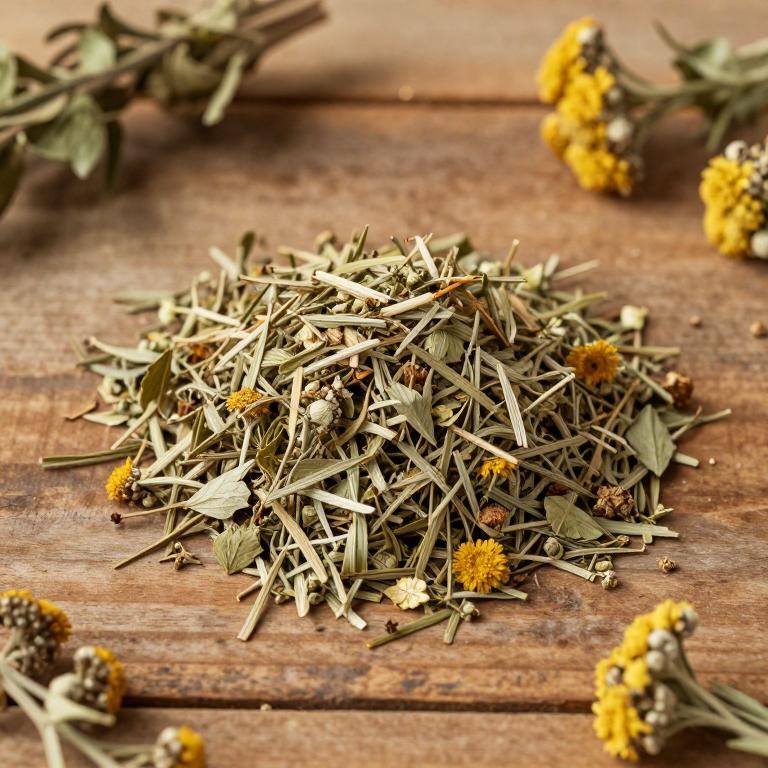
- Synonyms
- Not available
- Common names
- Not available
- Family
- Not available
- Distribution
- Not available
- Plant Parts
- Not available
Classification
Distribution
Identification
Biological Activities
Compounds
Artemisia chinensis serves as a natural source for the bioactive flavone derivative known as hispidulin. This specific compound is recognized for its diverse pharmacological activities, including antioxidant, antifungal, and anti-inflammatory properties. Because of these medicinal benefits, various analytical methods have been developed to detect hispidulin within plant materials. Researchers are also exploring tissue culture techniques to enhance the production of this valuable molecule. Ultimately, understanding these plant relationships assists in the development of novel treatments for a wide range of human disorders.