Artemisia caruifolia var. caruifolia
Artemisia caruifolia var. caruifolia · Accepted scientific name
Scientific literature: Very Sparse (0 studies) · ★☆☆☆☆
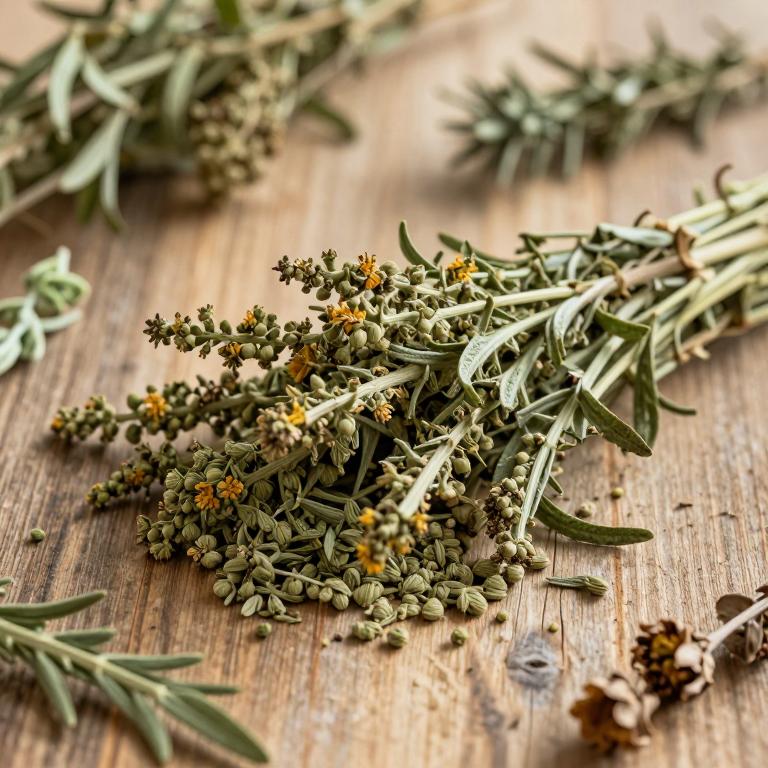
Artemisia caruifolia var. caruifolia, commonly known as purple sage, is a resilient perennial herb native to the vast landscapes of North America. As the world faced the unprecedented challenges of Coronavirus Disease 2019, many turned toward the study of traditional botanical properties for holistic wellness. This specific variety is celebrated for its aromatic foliage and its ability to thrive in diverse environmental conditions. Researchers and herbalists often examine such plants to understand their potential roles in supporting natural immunity during global health crises. Understanding this plant's ecological and medicinal significance offers a unique perspective amidst the complexities of modern pandemics.
- Synonyms
- Artemisia Thunbergiana · Artemisia Caruifolia Var. Apiacea · 3 more
- Common names
- Not available
- Family
- Asteraceae
- Distribution
- Not available
- Plant Parts
- Not available
Classification
Common Names
Artemisia caruifolia var. caruifolia is a distinct plant variety known by several different names across various regions. In certain contexts, it is referred to by its common name, カワラニンジン. It is also frequently recognized under the designation 青蒿, reflecting its cultural or botanical significance. These overlapping identities highlight the diverse ways this specific cultivar is categorized in different linguistic traditions. Understanding these common names is essential for anyone studying its unique botanical profile.
Sources: Catalogue of Life (COL)
Synonyms
Artemisia caruifolia var. caruifolia is a complex taxon that is frequently identified by several different botanical synonyms. Within scientific literature, you may encounter this plant referred to as Artemisia apiacea or Artemisia caruifolia var. apiacea. It is also commonly documented under the names Artemisia carvifolia and Artemisia riparia. Furthermore, the synonym Artemisia thunbergiana is often used to describe the same variety in various contexts. Understanding these overlapping names is essential for accurate identification and consistent botanical research.
Sources: The World Checklist of Vascular Plants (WCVP)
Taxonomy
Artemisia caruifolia var. caruifolia is a distinctive botanical specimen belonging to the kingdom Plantae. Within this vast biological realm, it is classified under the class Equisetopsida. It further falls into the order Asterales, showcasing its evolutionary connections to other flowering plants. As a member of the Asteraceae family, it shares structural traits with many well-known composite flowers. Ultimately, this variety is identified by its specific genus, Artemisia, which defines its unique characteristics.
| Rank | Classification |
|---|---|
| Kingdom | Plantae |
| Phylum | Streptophyta |
| Class | Equisetopsida |
| Subclass | Magnoliidae |
| Order | Asterales |
| Family | Asteraceae |
| Genus | Artemisia |
Sources: The World Checklist of Vascular Plants (WCVP)
Distribution
Geographic Regions
Artemisia caruifolia var. caruifolia is a notable plant species primarily distributed across the Asia-Temperate region. Its presence is widespread throughout China, spanning from the North-Central areas to the South-Central and Southeast provinces. The species also extends its reach into the Manchuria region, showcasing its adaptability to various environments. Furthermore, its geographical range includes the Eastern Asia territory of Korea. This diverse distribution highlights the significant ecological footprint this variety maintains across East Asia.
Sources: The World Checklist of Vascular Plants (WCVP)
Identification
Biological Activities
Compounds
Conditions
Artemisia caruifolia var. caruifolia possesses properties that allow it to treat coronavirus disease 2019. This specific plant variety serves as a potential natural remedy to inhibit the entry and replication of human coronaviruses. Additionally, the plant is linked to the treatment of human osteosarcoma. Its bioactive components can induce significant cell death in human osteosarcoma MG63 cells through apoptosis. By suppressing migration and invasion, the plant also demonstrates an ability to combat the metastatic properties of this bone cancer.