Artemisia argyi var. argyi
Artemisia argyi var. argyi · Accepted scientific name
Scientific literature: Very Sparse (0 studies) · ★☆☆☆☆
Artemisia argyi var. argyi, commonly known as mugwort, is a botanical species highly valued for its diverse chemical profile. Research focusing on the plant's leaf components has identified several significant bioactive compounds within its structure. Specifically, studies involving the petroleum ether fraction of the leaf have isolated substances such as (3R,6R,7E)-3-Hydroxy-4,7-megastigmadien-9-one and spinasterol. Other notable constituents found during pretreatment processes include ethyl 4-hydroxybenzoate and eriodictyol 7,3'-dimethyl ether. Understanding these specific chemical markers provides essential insight into the biological potential of this particular variety.
- Synonyms
- Artemisia Leucophylla Var. Pusilla · Artemisia Argyi Var. Incana · 22 more
- Common names
- Not available
- Family
- Asteraceae
- Distribution
- Not available
- Plant Parts
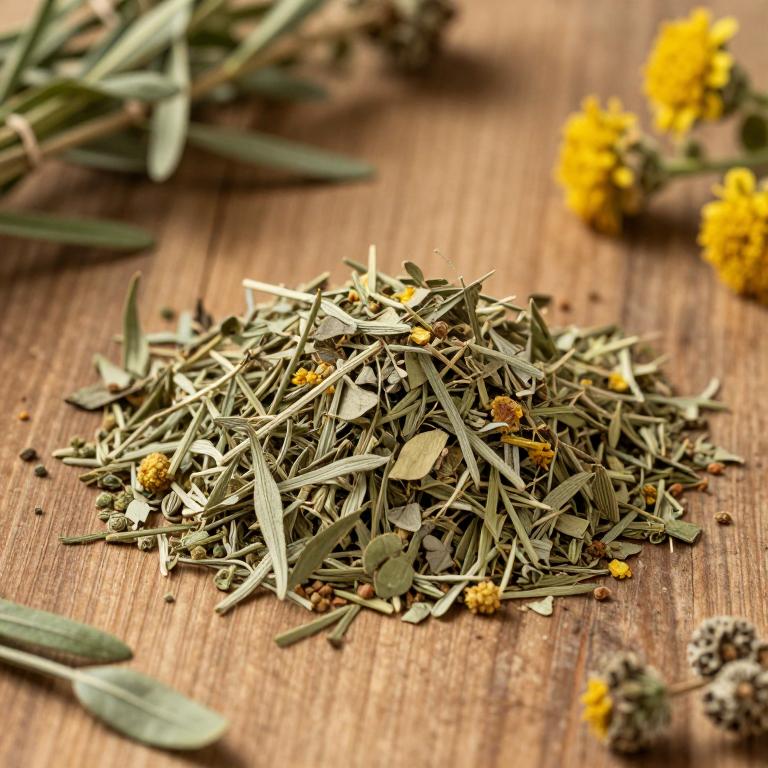
- Leaf
Classification
Synonyms
Artemisia argyi var. argyi is a complex botanical entity that encompasses several important taxonomic synonyms. Within its classification, it is closely linked to Artemisia argyi f. microcephala and the silvery-toned Artemisia argyi var. incana. Researchers also recognize it under the names Artemisia codonocephala var. maireana and Artemisia dubia f. asiatica. Furthermore, the variety is identified in botanical literature as Artemisia handel-mazzettii. Understanding these overlapping names is essential for accurate identification and study of the species.
Sources: The World Checklist of Vascular Plants (WCVP)
Taxonomy
Artemisia argyi var. argyi is a specialized botanical variety that belongs to the vast kingdom Plantae. Within this kingdom, the plant is classified under the class Equisetopsida. It further resides in the order Asterales, showcasing its evolutionary connection to a specific group of flowering plants. This variety is a member of the prominent genus Artemisia, which is known for its diverse characteristics. Finally, it is nested within the Asteraceae family, a group celebrated for its complex floral structures.
| Rank | Classification |
|---|---|
| Kingdom | Plantae |
| Phylum | Streptophyta |
| Class | Equisetopsida |
| Subclass | Magnoliidae |
| Order | Asterales |
| Family | Asteraceae |
| Genus | Artemisia |
Sources: The World Checklist of Vascular Plants (WCVP)
Distribution
Geographic Regions
Artemisia argyi var. argyi is a resilient plant with a distribution that spans across the Asia-Temperate regions. Within the Arabian Peninsula, it establishes a notable presence across several distinct territories. Specifically, its range includes the diverse landscapes of Kuwait and Oman. It can also be found growing throughout the expansive reaches of Saudi Arabia. Furthermore, the species extends its reach into the unique environments found in Yemen.
Sources: The World Checklist of Vascular Plants (WCVP)
Identification
Biological Activities
Compounds
Artemisia argyi var. argyi is a plant species that possesses a diverse array of chemical constituents. Research into its petroleum ether fraction has revealed the presence of several significant compounds, including the sterol spinasterol. Additionally, the plant contains specific esters such as ethyl 4-hydroxybenzoate and ethyl 4-hydroxy-3-methoxybenzoate. Other notable components identified within its chemical profile are loliolide and methoxyeugenol. These findings highlight the complex phytochemical makeup of this particular variety.
Conditions
Artemisia argyi var. argyi possesses therapeutic properties that address various forms of cellular damage. Specifically, its components exhibit significant cytotoxicity against five distinct human tumor cell lines. Additionally, this plant species demonstrates an ability to treat cytotoxicity induced by glutamate. These biological activities highlight the potential of the genus to mitigate oxidative stress and cell death. Such relationships underscore the plant's functional importance in targeting both cancerous and neurotoxic processes.
Preparations
Artemisia argyi var. argyi is prepared as mugwort leaf, a form that is well-characterized for its specific metabolic and biosynthetic profiles. This plant species is also utilized as a pretreatment in studies investigating neuroprotective effects against oxidative cell death. Furthermore, the plant's components can be processed into a petroleum ether fraction to facilitate the isolation of specific chemical constituents. These various preparations allow researchers to study the diverse bioactive potential of the species. Through these different forms, the unique phytochemical characteristics of the plant are thoroughly explored.
Parts used
Artemisia argyi var. argyi is a well-characterized medicinal species known for its distinct chemical profile. Research indicates that the leaf of this plant is a primary site for the accumulation of essential bioactive compounds. Through integrated metabolomic and transcriptomic analyses, scientists have identified that its leaves are particularly enriched with monoterpenoids and flavonoids. This specific metabolic signature is driven by the elevated expression of various biosynthesis genes within the leaf tissue. Understanding these leaf-based pathways provides critical insights into the plant's unique aromatic and therapeutic properties.