Artabotrys sumatranus
Artabotrys sumatranus · Accepted scientific name
Scientific literature: Very Sparse (6 studies) · ★☆☆☆☆
Artabotrys sumatranus, scientifically known as Artabotrys sumatranus, is a climbing woody vine native to Southeast Asia. Renowned for its fragrant, star-shaped flowers, this medicinal plant is traditionally utilized in various herbal remedies. It holds significant ethnobotanical importance, particularly for its potential bioactive properties in treating diverse ailments.
- Family
- Annonaceae
- Native range
- Asia-Tropical
- Parts used
- Leaf
- Common names
- Not available
- Scientific synonyms
- Not available
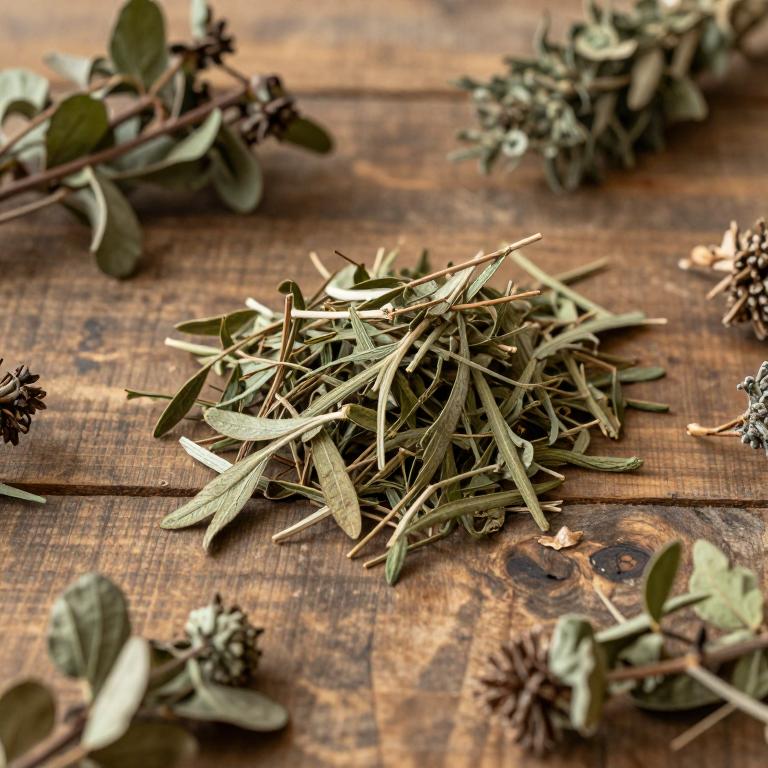
Names and Synonyms
Scientific Names
Accepted name
Artabotrys sumatranusSources: Wikidata
Taxonomical Classification
This plant belongs to the kingdom Plantae and is classified within the phylum Streptophyta and the class Equisetopsida. It is further organized under the subclass Magnoliidae and the order Magnoliales, falling into the family Annonaceae. Finally, it is identified by the genus Artabotrys, specifically as the species Artabotrys sumatranus.
| Rank | Classification |
|---|---|
| Kingdom | Plantae |
| Phylum | Streptophyta |
| Class | Equisetopsida |
| Subclass | Magnoliidae |
| Order | Magnoliales |
| Family | Annonaceae |
| Genus | Artabotrys |
Sources: The World Checklist of Vascular Plants (WCVP)
Distribution
This plant is naturally found within the diverse tropical regions of Malesia. Its geographical range is specifically concentrated across several major islands in Southeast Asia. Within this region, it can be located in the lush forests of Borneo. Additionally, the species is widely distributed throughout the island of Jawa. Finally, it is also commonly documented across the landscapes of Sumatera.
| Region | Area |
|---|---|
| Malesia | Borneo |
| Malesia | Jawa |
| Malesia | Sumatera |
Sources: The World Checklist of Vascular Plants (WCVP)
Plant Parts
Artabotrys sumatranus has 1 reported plant parts identified across 1 scientific publications and several other databases that are studied for medicinal purposes. The most consistently reported plant part include leaf.
| Plant part | Supporting sources | Consensus |
|---|---|---|
| Leaf | 1 supporting sources | ★☆☆☆☆ |
Leaf
- PloS one
Chemicals
Artabotrys sumatranus has 4 reported phytochemicals identified across 1 scientific publications and several other databases. The most consistently reported chemicals include 15,16-dihydrotanshinone I, Mangiferin, Neomangiferin, Norisocorydine.
| Chemical | Supporting sources | Consensus |
|---|---|---|
| 15,16-dihydrotanshinone I | 1 supporting sources | ★☆☆☆☆ |
| Mangiferin | 1 supporting sources | ★☆☆☆☆ |
| Neomangiferin | 1 supporting sources | ★☆☆☆☆ |
| Norisocorydine | 1 supporting sources | ★☆☆☆☆ |
15,16-dihydrotanshinone I
- PloS one
Mangiferin
- PloS one
Neomangiferin
- PloS one
Norisocorydine
- PloS one
Conditions
Artabotrys sumatranus has 1 reported investigations on conditions identified across 1 scientific publications and several other databases. The most consistently reported conditions include diabetes mellitus type II.
| Condition | Supporting sources | Consensus |
|---|---|---|
| Diabetes mellitus type ii | 1 supporting sources | ★☆☆☆☆ |
Diabetes mellitus type ii
- PloS one
Preparations
Artabotrys sumatranus has 1 reported preparations identified across 1 scientific publications and several other databases. The most consistently reported preparations include Artabotrys sumatranus leaf extract.
| Preparation | Supporting sources | Consensus |
|---|---|---|
| Artabotrys sumatranus leaf extract | 1 supporting sources | ★☆☆☆☆ |
Artabotrys sumatranus leaf extract
- PloS one