Armeria ruscinonensis subsp. ruscinonensis
Armeria ruscinonensis subsp. ruscinonensis · Accepted scientific name
Scientific literature: Very Sparse (0 studies) · ★☆☆☆☆
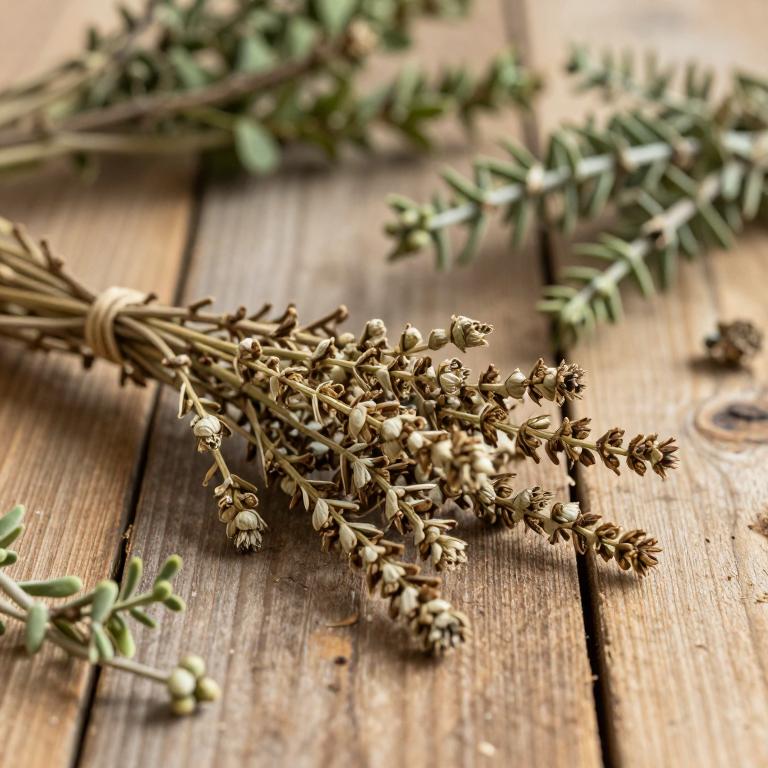
Armeria ruscinonensis subsp. ruscinonensis is a resilient perennial herb known for its striking, globe-like flower clusters. This subspecies thrives in coastal environments, often forming dense, grass-like cushions that withstand salty winds. While its vibrant blooms attract pollinators, the plant also plays a vital role in its ecosystem through the production of small seeds. These seeds are essential for the natural dispersal and long-term survival of the species across rocky habitats. Understanding its reproductive cycle offers valuable insight into the lifecycle of this hardy maritime plant.
- Synonyms
- Armeria Ruscinonensis Var. Catalaunica
- Common names
- Not available
- Family
- Plumbaginaceae
- Distribution
- Africa
- Plant Parts
- Seed
Classification
Synonyms
Armeria ruscinonensis subsp. ruscinonensis is a specific botanical classification that requires careful attention to its taxonomic history. Within botanical literature, this subspecies is frequently identified by its synonym, Armeria ruscinonensis var. catalaunica. Understanding these overlapping names is essential for researchers tracking the plant's distribution and genetic lineage. Such nomenclatural shifts often reflect evolving scientific perspectives on the plant's regional variations. Recognizing these relationships ensures consistency when documenting this species in various scientific databases.
Sources: The World Checklist of Vascular Plants (WCVP)
Taxonomy
Armeria ruscinonensis subsp. ruscinonensis is a distinct botanical specimen belonging to the kingdom Plantae. Within this vast biological realm, it is specifically classified under the class Equisetopsida. The plant is a member of the order Caryophyllales, which highlights its evolutionary connections. It further resides within the family Plumbaginaceae, showcasing its unique morphological traits. Finally, it is identified by its specific genus, Armeria, which defines its place in the natural world.
| Rank | Classification |
|---|---|
| Kingdom | Plantae |
| Phylum | Streptophyta |
| Class | Equisetopsida |
| Subclass | Magnoliidae |
| Order | Caryophyllales |
| Family | Plumbaginaceae |
| Genus | Armeria |
Sources: The World Checklist of Vascular Plants (WCVP)
Distribution
Geographic Regions
Armeria ruscinonensis subsp. ruscinonensis is a distinctive botanical specimen found throughout various regions of Europe. Its natural range is particularly concentrated within the Mediterranean landscapes of Southwestern Europe. Specifically, this subspecies thrives within the diverse ecological zones of France. It also maintains a notable presence across the varied terrains of Spain. These geographic distributions highlight the plant's specialized adaptation to the southwestern European climate.
Sources: The World Checklist of Vascular Plants (WCVP)
Identification
Biological Activities
Compounds
Conditions
Armeria ruscinonensis subsp. ruscinonensis is not mentioned in the provided text. The abstract instead focuses on the antibacterial properties of various Scottish plant seeds. Specifically, it identifies that Armeria maritima is active against one bacterial species. Other plants like Malva moschata and Prunus padus show broader activity against multiple pathogens. Therefore, the specific relationship regarding Armeria ruscinonensis subsp. ruscinonensis cannot be established from this data.
Preparations
Parts used
Armeria ruscinonensis subsp. ruscinonensis possesses the seed as a key biological part. While many botanical studies focus on the medicinal properties of various plant components, the seeds of specific species often hold significant scientific interest. Research into Scottish plant life has frequently utilized such parts to screen for potential antibacterial activities. By extracting compounds from these seeds, scientists can evaluate their effectiveness against various pathogenic bacterial species. Understanding these fundamental botanical relationships helps bridge the gap between taxonomic classification and ethnopharmacological application.