Aristolochia yunnanensis
Aristolochia yunnanensis · Accepted scientific name
Scientific literature: Very Sparse (1 studies) · ★☆☆☆☆
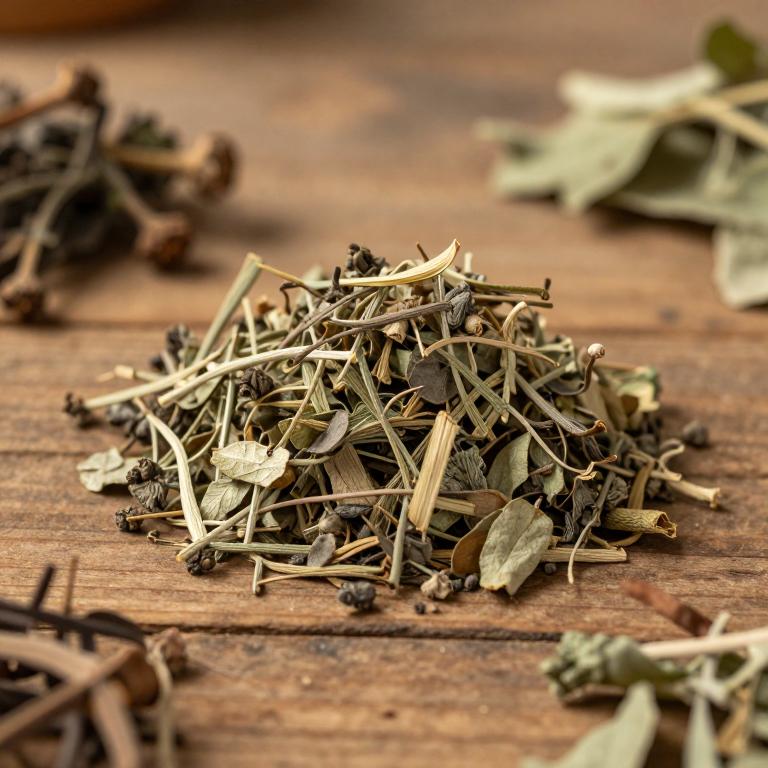
Aristolochia yunnanensis is a distinctive botanical species known for its specific medicinal properties. Within traditional herbal practices, the roots of this plant are frequently harvested for therapeutic use. These roots are prepared in various ways to extract their active compounds. Most notably, the plant is utilized for its significant analgesic activities to alleviate pain. Consequently, it remains a subject of interest for those studying natural pain management remedies.
- Synonyms
- Isotrema Yunnanense
- Common names
- Not available
- Family
- Aristolochiaceae
- Distribution
- Not available
- Plant Parts
- Root
Classification
Synonyms
Aristolochia yunnanensis is a distinctive botanical species that has undergone taxonomic refinement over time. In various scientific records, this plant is also identified by its synonym, Isotrema yunnanense. Understanding these nomenclatural links is essential for researchers tracking the plant's evolutionary history. While the names may differ, they both refer to the same biological entity within the plant kingdom. Recognizing these relationships ensures accuracy when studying its unique characteristics and distribution.
Sources: The World Checklist of Vascular Plants (WCVP)
Taxonomy
Aristolochia yunnanensis is a fascinating botanical specimen that belongs to the vast kingdom Plantae. Within this biological realm, the plant is classified under the class Equisetopsida. It further descends through the order Piperales, showcasing its specific evolutionary lineage. As a member of the family Aristolochiaceae, it shares characteristics with many unique flowering species. Ultimately, it is defined by its placement within the distinct genus Aristolochia.
| Rank | Classification |
|---|---|
| Kingdom | Plantae |
| Phylum | Streptophyta |
| Class | Equisetopsida |
| Subclass | Magnoliidae |
| Order | Piperales |
| Family | Aristolochiaceae |
| Genus | Aristolochia |
Sources: The World Checklist of Vascular Plants (WCVP)
Distribution
Geographic Regions
Aristolochia yunnanensis is a distinctive plant species primarily found within the temperate regions of Asia. Its geographical presence is most notably concentrated across the vast landscapes of China. Within this country, the species flourishes specifically throughout the South-Central provinces. This localized distribution highlights the specific environmental requirements necessary for its continued survival. Understanding these regional patterns provides valuable insight into the ecological niche occupied by this unique flora.
Sources: The World Checklist of Vascular Plants (WCVP)
Identification
Biological Activities
Aristolochia yunnanensis has demonstrated significant analgesic potential through the study of its unique chemical constituents. Researchers identified several structurally diverse sesquiterpenes, including yunnadolins A-D, extracted from the roots of the plant. These compounds were evaluated for their biological impact, revealing substantial anti-nociceptive properties in both in vivo and in vitro models. Specifically, many of these isolated substances exhibited up to 59.5% inhibition of pain signals. This research highlights the plant's promise as a natural source for developing new anti-inflammatory and pain-relieving therapeutic agents.
Compounds
Conditions
Preparations
Aristolochia yunnanensis is prepared as roots to facilitate the extraction of various bioactive chemical compounds. Research indicates that these roots serve as a primary source for structurally diverse sesquiterpenes. Specifically, several undescribed sesquiterpenes and dimeric sesquiterpene lactones are obtained directly from the root tissue. These extracted components are evaluated for their significant analgesic and anti-inflammatory potential. Ultimately, the use of the roots allows for the identification of molecules that can effectively inhibit specific biological pathways.
Parts used
Aristolochia yunnanensis is a plant species that holds significant interest due to the chemical properties found within its root system. Scientific investigations into its roots have led to the isolation of structurally diverse sesquiterpenes, including several previously undescribed compounds. These specialized metabolites, such as the yunnadolins, demonstrate notable biological potential in various therapeutic models. Specifically, research highlights their significant anti-nociceptive activity and their ability to inhibit inflammatory pathways like MAPK/NF-κB. Such findings suggest that the roots of this plant may serve as a valuable source for developing new analgesic and anti-inflammatory treatments.