Aristolochia cymbifera
Aristolochia cymbifera · Accepted scientific name
Scientific literature: Very Sparse (6 studies) · ★☆☆☆☆
, scientifically known as Aristolochia cymbifera, is a distinctive medicinal plant native to specific tropical regions. Renowned for its unique floral structures, it has historically been studied for its bioactive compounds. However, caution is essential, as many species within this genus contain nephrotoxic alkaloids that pose significant health risks.
- Family
- Not available
- Native range
- Southern America
- Parts used
- Rhizome
- Common names
- Not available
- Scientific synonyms
- Not available
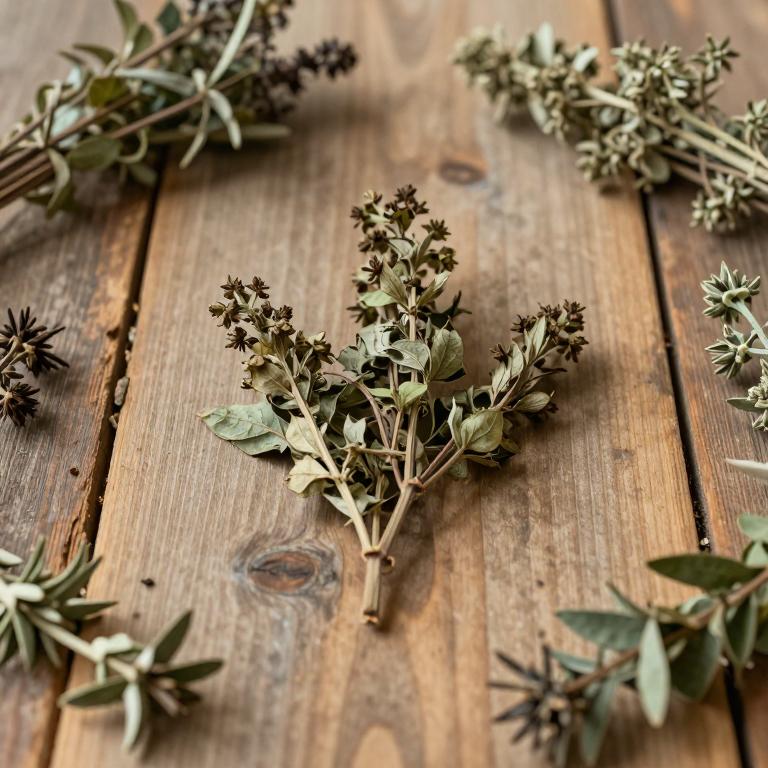
Names and Synonyms
Scientific Names
Accepted name
Aristolochia cymbiferaDistribution
This plant is primarily found within a specific regional range in South America. Its geographical distribution is concentrated in the country of Brazil. More specifically, the species occurs within the Southeast region of this large nation. This localized presence suggests that it thrives under the particular environmental conditions found in that area. Consequently, its known habitat remains limited to these specific Brazilian territories.
| Region | Area |
|---|---|
| Brazil | Brazil Southeast |
Sources: The World Checklist of Vascular Plants (WCVP)
Botanical Identification
Ecology
The ecology of Aristolochia cymbifera is characterized by its occurrence across diverse and structurally complex Neotropical biomes, demonstrating a specific adaptability to varying moisture regimes and vegetation densities. This species is predominantly found inhabiting the Cerrado (latu sensu), where it must navigate seasonal moisture fluctuations, as well as within the Seasonal Semi-deciduous Forest, where it thrives amidst trees that shed foliage during drier periods. Additionally, its presence extends into the Ombrophilous Forest (also known as Pluvial Forest), indicating a capacity to occupy high-humidity environments with consistent rainfall. These varied habitats suggest that the plant occupies distinct ecological niches ranging from more open, seasonally dry landscapes to dense, perennially moist tropical forests, utilizing the layered vegetation and specific soil compositions characteristic of these Brazilian biomes.
- Habitat :
- Cerrado (lato sensu), Floresta Estacional Semidecidual, Floresta Ombrófila (= Floresta Pluvial)
Life history
The life history of Aristolochia cymbifera is characterized by its perennial growth habit and its specific foliage patterns, where its deciduousness is categorized as variable, manifesting as either deciduous or evergreen depending on environmental conditions and localized climatic stability. As a climbing or trailing herbaceous perennial, the plant undergoes seasonal cycles of vegetative growth, often utilizing its stems to scramble through surrounding vegetation to reach optimal light exposure. Its developmental stages involve the emergence of specialized climbing structures and the production of unique, tubular flowers that are essential for its reproductive cycle. The variation in its leaf retention—alternating between evergreen and deciduous states—suggests a physiological plasticity that allows the species to adapt to fluctuating moisture levels and temperature shifts within its native habitat. Through these cycles of growth, dormancy, and flowering, the plant maintains its presence in the ecosystem, ensuring long-term survival through both vegetative persistence and seed production.
- Deciduousness :
- evergreen
Morphology
The morphology of Aristolochia cymbifera is characterized by its growth habit as an obligatory climber, reaching a significant plant height with a mean measurement of approximately 7 m. This species is strictly terrestrial in its ecological niche, neither being aquatic nor exhibiting epiphyte tendencies such as hemi-epiphytic growth. Furthermore, the plant functions as an independent organism, showing no parasitic behavior toward other vegetation.
- Aquatic :
- terrestrial
- Climber :
- obligatory
- Epiphyte :
- terrestrial
- Parasite :
- independent
- Plant height mean:
- 7 m
Physiology
The physiology of Aristolochia cymbifera is characterized by its specialized metabolic pathways and unique nutrient acquisition strategies typical of the Aristolochiaceae family. As a non-nitrogen-fixing plant, it lacks the symbiotic relationship with diazotrophic bacteria required to convert atmospheric nitrogen into usable forms; therefore, it relies entirely on the uptake of nitrates and ammonium from the soil through its root system. The plant's physiological processes are heavily influenced by the presence of aristolochic acids, which are secondary metabolites synthesized through complex biochemical pathways to serve as chemical defenses against herbivory. These alkaloids are integrated into the plant's systemic physiology, influencing its chemical ecology. Furthermore, its photosynthetic efficiency and transpiration rates are adapted to its specific ecological niche, managing gas exchange and water potential to maintain cellular homeostasis in its native environment.
- Nitrogen fixer :
- no
Sources: Global Inventory of Floras and Traits (GIFT)
Plant Parts
Aristolochia cymbifera has 1 reported plant parts identified across 1 scientific publications and several other databases that are studied for medicinal purposes. The most consistently reported plant part include rhizome.
| Plant part | Supporting sources | Consensus |
|---|---|---|
| Rhizome | 1 supporting sources | ★☆☆☆☆ |
Rhizome
- Archives of oral biology
Conditions
Aristolochia cymbifera has 5 reported investigations on conditions identified across 1 scientific publications and several other databases. The most consistently reported conditions include Fusobacterium nucleatum, Lactobacillus casei, Porphyromonas gingivalis, Prevotella intermedia, Streptococcus mutans.
| Condition | Supporting sources | Consensus |
|---|---|---|
| Fusobacterium nucleatum | 1 supporting sources | ★☆☆☆☆ |
| Lactobacillus casei | 1 supporting sources | ★☆☆☆☆ |
| Porphyromonas gingivalis | 1 supporting sources | ★☆☆☆☆ |
| Prevotella intermedia | 1 supporting sources | ★☆☆☆☆ |
| Streptococcus mutans | 1 supporting sources | ★☆☆☆☆ |
Fusobacterium nucleatum
- Archives of oral biology
Lactobacillus casei
- Archives of oral biology
Porphyromonas gingivalis
- Archives of oral biology
Prevotella intermedia
- Archives of oral biology
Streptococcus mutans
- Archives of oral biology