Andalusian Dutchman's Pipe
Aristolochia baetica · Accepted scientific name
Scientific literature: Very Sparse (4 studies) · ★☆☆☆☆
Andalusian Dutchman's Pipe, scientifically known as Aristolochia baetica, is a perennial climber native to the Mediterranean landscape. Characterized by its distinctive tubular flowers, this plant holds significant historical importance in traditional herbalism. However, modern science warns of its nephrotoxic properties, necessitating extreme caution regarding its medicinal applications.
- Family
- Aristolochiaceae
- Native range
- Europe
- Parts used
- Root
- Common names
- Andalusian Dutchman'S Pipe · Andalusian Pipevine
- Scientific synonyms
- Aristolochia Baetica Var. Bicolor · Aristolochia Baetica Var. Glauca · 2 more
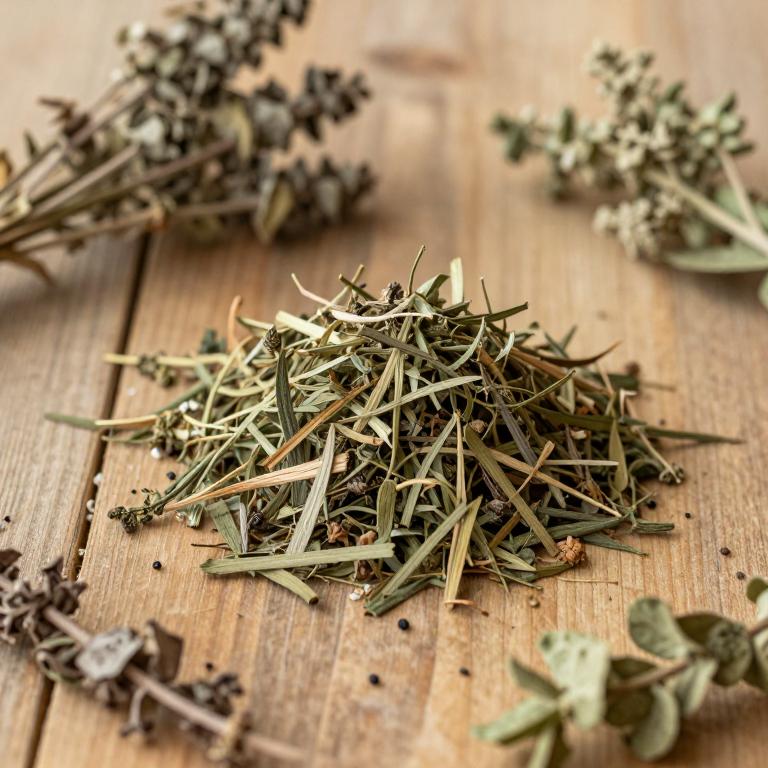
Names and Synonyms
Common Names
- Andalusian Dutchman's Pipe
- Andalusian Pipevine
Scientific Names
Accepted name
Aristolochia baeticaSynonyms
- Aristolochia baetica var. bicolor
- Aristolochia baetica var. glauca
- Aristolochia glauca
- Aristolochia subglauca
Regional and Traditional Names
German:
- Südspanische Osterluzei
French:
- Aristoloche bétique
Sources: Wikidata, Catalogue of Life
Taxonomical Classification
This plant belongs to the kingdom Plantae and the phylum Streptophyta. Within the class Equisetopsida and subclass Magnoliidae, it is classified under the order Piperales. Finally, it is a member of the family Aristolochiaceae and falls under the genus Aristolochia.
| Rank | Classification |
|---|---|
| Kingdom | Plantae |
| Phylum | Streptophyta |
| Class | Equisetopsida |
| Subclass | Magnoliidae |
| Order | Piperales |
| Family | Aristolochiaceae |
| Genus | Aristolochia |
Sources: The World Checklist of Vascular Plants (WCVP)
Distribution
This plant exhibits a specific geographical distribution primarily centered around the Mediterranean region. In Southwestern Europe, it can be found growing across the territories of both Portugal and Spain. Its range also extends across the sea into Northern Africa. Within this African region, the species is documented in Algeria and Morocco. Consequently, the plant occupies a diverse ecological niche spanning two different continents.
| Region | Area |
|---|---|
| Southwestern Europe | Portugal |
| Southwestern Europe | Spain |
| Northern Africa | Algeria |
| Northern Africa | Morocco |
Sources: The World Checklist of Vascular Plants (WCVP)
Botanical Identification
Life history
The life history of Aristolochia baetica is characterized by its classification as a phanerophyte, a growth form where the perennating buds are located high above the ground on aerial shoots. Within the specific nuances of its ecological strategy, it functions as a phanerophyte (Life_form_1) and also displays characteristics of a nanophanerophyte (Life_form_2), indicating a perennial lifestyle where it maintains its structural integrity through woody or semi-woody stems that protect its vital buds during unfavorable seasons. This life history allows the plant to establish a persistent presence in its native Mediterranean habitats, utilizing its elevated buds to navigate seasonal environmental shifts and ensure continuous growth cycles.
- Life form :
- phanerophyte
Morphology
The morphology of Aristolochia baetica is characterized by its growth habit as a liana, functioning as a climbing vine that can range from self-supporting structures to more sprawling forms. Its woodiness is variable, exhibiting characteristics that can transition between woody and non-woody textures depending on the age and environmental conditions of the specimen. This climbing architecture allows the plant to navigate through surrounding vegetation, utilizing its flexible stems to reach higher light intensities.
- Climber :
- liana
- Woodiness :
- variable
Sources: Global Inventory of Floras and Traits (GIFT)
Plant Parts
Aristolochia baetica has 1 reported plant parts identified across 1 scientific publications and several other databases that are studied for medicinal purposes. The most consistently reported plant part include root.
| Plant part | Supporting sources | Consensus |
|---|---|---|
| Root | 1 supporting sources | ★☆☆☆☆ |
Root
- Evidence-based complementary and alternative medicine : eCAM
Chemicals
Aristolochia baetica has 1 reported phytochemicals identified across 1 scientific publications and several other databases. The most consistently reported chemicals include Aristolochic acids.
| Chemical | Supporting sources | Consensus |
|---|---|---|
| Aristolochic acids | 1 supporting sources | ★☆☆☆☆ |
Aristolochic acids
- Journal of ethnopharmacology
Activities
Aristolochia baetica has 1 reported activities identified across 1 scientific publications and several other databases. The most consistently reported activities include Nephrotoxic.
| Activity | Supporting sources | Consensus |
|---|---|---|
| Nephrotoxic | 1 supporting sources | ★☆☆☆☆ |
Nephrotoxic
- Journal of ethnopharmacology
Conditions
Aristolochia baetica has 1 reported investigations on conditions identified across 1 scientific publications and several other databases. The most consistently reported conditions include cancer.
| Condition | Supporting sources | Consensus |
|---|---|---|
| Cancer | 1 supporting sources | ★☆☆☆☆ |
Cancer
- Evidence-based complementary and alternative medicine : eCAM
Preparations
Aristolochia baetica has 2 reported preparations identified across 1 scientific publications and several other databases. The most consistently reported preparations include aqueous extracts, methanolic extract of A. baetica roots.
| Preparation | Supporting sources | Consensus |
|---|---|---|
| Aqueous extracts | 1 supporting sources | ★☆☆☆☆ |
| Methanolic extract of a. baetica roots | 1 supporting sources | ★☆☆☆☆ |
Aqueous extracts
- Molecules (Basel, Switzerland)
Methanolic extract of a. baetica roots
- Evidence-based complementary and alternative medicine : eCAM