Aristolochia acuminata
Aristolochia acuminata · Accepted scientific name
Scientific literature: Very Sparse (1 studies) · ★☆☆☆☆
, scientifically known as Aristolochia acuminata, is a climbing shrub native to tropical regions. Renowned in traditional medicine for its diverse therapeutic properties, it is often utilized to treat inflammation and skin ailments. However, due to potential nephrotoxicity, its use requires extreme caution and careful scientific consideration.
- Family
- Not available
- Native range
- Asia-Temperate
- Parts used
- Root
- Common names
- Not available
- Scientific synonyms
- Not available
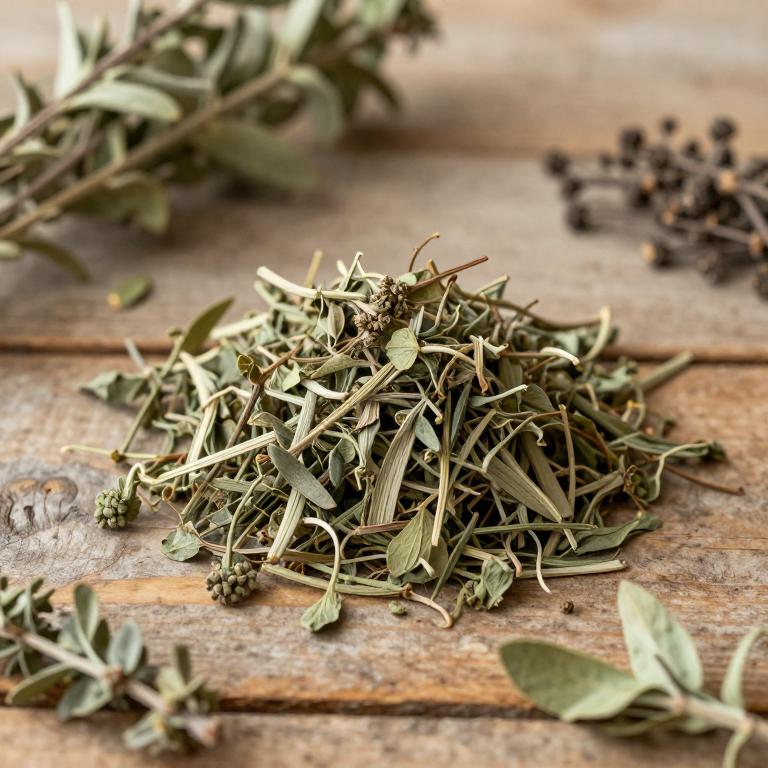
Names and Synonyms
Scientific Names
Accepted name
Aristolochia acuminataDistribution
This plant exhibits a broad geographical distribution across several key regions in Asia. In China, its presence is noted specifically throughout the South-Central and Southeast territories. The species also extends into Eastern Asia, where it can be found growing in Taiwan. Within the Indian Subcontinent, the plant is documented in the state of Assam. Furthermore, its range includes the neighboring country of Bangladesh.
| Region | Area |
|---|---|
| China | China South-Central |
| China | China Southeast |
| Eastern Asia | Taiwan |
| Indian Subcontinent | Assam |
| Indian Subcontinent | Bangladesh |
| Indian Subcontinent | East Himalaya |
| Indian Subcontinent | India |
| Indian Subcontinent | Nepal |
| Indo-China | Andaman Is. |
| Indo-China | Cambodia |
Sources: The World Checklist of Vascular Plants (WCVP)
Botanical Identification
Ecology
The ecology of Aristolochia acuminata is characterized by its distribution across a diverse altitudinal gradient, allowing it to inhabit various montane and lowland ecosystems. This species exhibits a broad vertical range, found at elevations starting as low as 60 m AMSL and extending up to a maximum of 2000 m AMSL. The ecological niche of the plant is most frequently centered around a mean elevation of 1030 m AMSL, suggesting that it thrives most optimally within mid-elevation tropical or subtropical environments. This wide elevational spread indicates an ability to adapt to varying temperature regimes and atmospheric pressures, ranging from humid lowland conditions to cooler, high-altitude habitats.
- Elevational range max:
- 2000 m AMSL
- Elevational range mean:
- 1030 m AMSL
- Elevational range min:
- 60 m AMSL
Life history
The life history of Aristolochia acuminata is characterized by a perennial growth pattern where its foliage status exhibits a degree of plasticity, as it can be categorized as deciduous, evergreen, or variable depending on environmental conditions and local ecological adaptations. As a climbing woody vine, it establishes itself through a slow initial growth phase, eventually developing extensive climbing structures to reach sunlight within its forest habitat. Its reproductive cycle involves the production of distinctive, tubular flowers that facilitate specialized pollination, followed by the development of seed capsules that release seeds for dispersal. Throughout its lifespan, the plant maintains its physiological presence through varying degrees of leaf retention, transitioning between evergreen and deciduous states to optimize resource management and survival in fluctuating seasonal climates.
- Deciduousness :
- evergreen
Morphology
The morphology of Aristolochia acuminata is characterized by its growth form as a tree, reaching a maximum height of approximately 20 m, with a mean height of 20 m. It functions as an obligatory climber and is classified as a non-woody species. The plant is terrestrial in nature, serving as both a terrestrial growth form and a terrestrial epiphyte, rather than being aquatic or semi-aquatic. Furthermore, it is an independent organism, functioning without a parasitic relationship.
- Aquatic :
- terrestrial
- Climber :
- obligatory
- Epiphyte :
- terrestrial
- Growth form :
- tree
- Parasite :
- independent
- Plant height mean:
- 20 m
- Woodiness :
- non-woody
Physiology
The physiology of Aristolochia acuminata is characterized by a complex metabolic framework specialized for survival in diverse ecological niches, though it does not possess the biological machinery to function as a nitrogen fixer; therefore, it lacks the symbiotic relationship with diazotrophic bacteria required to convert atmospheric nitrogen into usable forms, meaning the value for its nitrogen fixation capability is no. Instead, the plant relies on the uptake of nitrates and ammonium from the soil through its root system to satisfy its nutritional requirements for protein synthesis and cellular function. Its metabolic processes are heavily focused on the biosynthesis of secondary metabolites, particularly aristolochic acids, which are produced through intricate biochemical pathways involving the shikimate or mevalonate pathways to serve as chemical defenses against herbivory. Photosynthetic activity in its foliage drives the production of carbohydrates, providing the energy necessary for its climbing growth habit and the development of its specialized tubular flowers.
- Nitrogen fixer :
- no
Reproduction
The reproduction of Aristolochia acuminata is characterized by a biotic pollination syndrome, specifically relying on insects, with a specialized tendency toward fly pollination. Following successful fertilization, the plant produces fruits that vary in size, with a minimum length of 3.5 cm, a mean length of 4.25 cm, and a maximum length reaching up to 5 cm. Once mature, the dispersal of these fruits follows an anemochorous syndrome, utilizing wind for the distribution of seeds.
- Dispersal syndrome :
- anemochorous
- Fruit length max:
- 5 cm
- Fruit length mean:
- 4.25 cm
- Fruit length min:
- 3.5 cm
- Pollination syndrome :
- insect
- Pollination syndrome :
- fly
- Pollination syndrome :
- biotic
Sources: Global Inventory of Floras and Traits (GIFT)
Plant Parts
Aristolochia acuminata has 1 reported plant parts identified across 1 scientific publications and several other databases that are studied for medicinal purposes. The most consistently reported plant part include root.
| Plant part | Supporting sources | Consensus |
|---|---|---|
| Root | 1 supporting sources | ★☆☆☆☆ |
Root
- Pharmaceutical biology