Aristeguietia glutinosa
Aristeguietia glutinosa · Accepted scientific name
Scientific literature: Very Sparse (9 studies) · ★☆☆☆☆
Scientifically known as Aristeguietia glutinosa, is a medicinal plant valued in traditional herbalism for its unique therapeutic properties. Often found in tropical regions, this species is studied for its bioactive compounds, which offer potential applications in treating inflammatory conditions and supporting overall wellness through its diverse phytochemical profile.
- Family
- Asteraceae
- Native range
- Southern America
- Parts used
- Leaf
- Common names
- Not available
- Scientific synonyms
- Conoclinium Rugosum · Eupatorium Glutinosum · 1 more
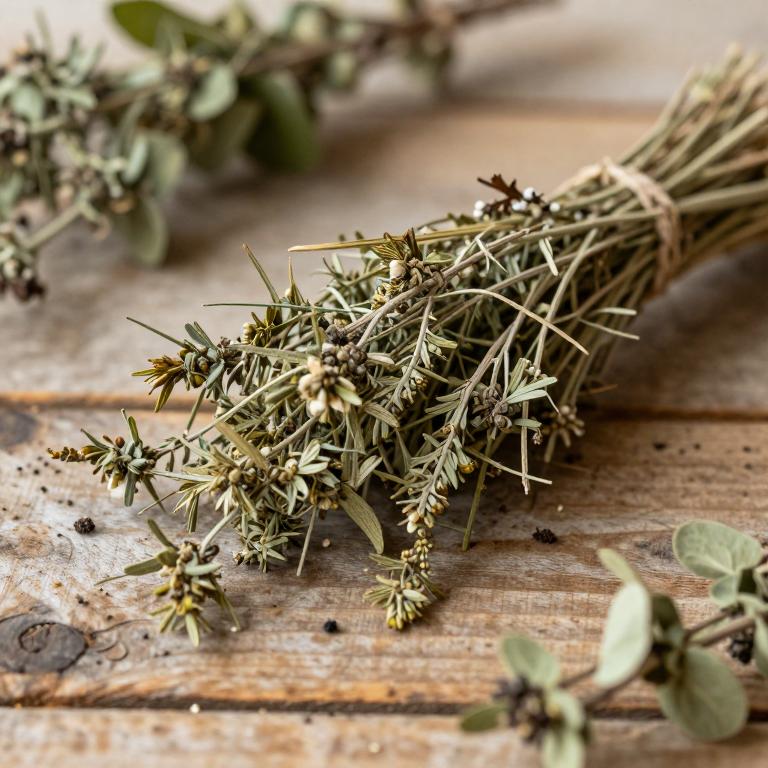
Names and Synonyms
Scientific Names
Accepted name
Aristeguietia glutinosaSynonyms
- Conoclinium rugosum
- Eupatorium glutinosum
- Eupatorium turczaninowii
Regional and Traditional Names
Spanish:
- matico
Sources: Wikidata, Catalogue of Life
Taxonomical Classification
This plant belongs to the kingdom Plantae and is classified under the phylum Streptophyta within the class Equisetopsida. It is further categorized under the subclass Magnoliidae and the order Asterales. Finally, it is a member of the family Asteraceae and is specifically identified by the genus Aristeguietia.
| Rank | Classification |
|---|---|
| Kingdom | Plantae |
| Phylum | Streptophyta |
| Class | Equisetopsida |
| Subclass | Magnoliidae |
| Order | Asterales |
| Family | Asteraceae |
| Genus | Aristeguietia |
Sources: The World Checklist of Vascular Plants (WCVP)
Distribution
This plant exhibits a very specific and limited geographical range within the natural world. Its occurrence is primarily documented across the region of Western South America. Specifically, the species is native to the country of Ecuador. Because of this localized presence, it is considered an endemic element of the local flora. Consequently, its habitat is closely tied to the unique ecosystems found within this particular South American nation.
| Region | Area |
|---|---|
| Western South America | Ecuador |
Sources: The World Checklist of Vascular Plants (WCVP)
Botanical Identification
Morphology
The morphology of Aristeguietia glutinosa is characterized by a woody growth form, primarily manifesting as a shrub. It functions as an independent organism, meaning it is not a parasite, and exhibits a terrestrial habit rather than being aquatic or semiaquatic. In terms of its structural support and positioning, the plant is self-supporting, categorized as a self-supporting climber rather than an obligatory liana or vine, and it maintains a terrestrial existence rather than acting as an epiphyte.
- Aquatic :
- terrestrial
- Climber :
- self-supporting
- Epiphyte :
- terrestrial
- Growth form :
- shrub
- Parasite :
- independent
- Woodiness :
- woody
Sources: Global Inventory of Floras and Traits (GIFT)
Plant Parts
Aristeguietia glutinosa has 1 reported plant parts identified across 1 scientific publications and several other databases that are studied for medicinal purposes. The most consistently reported plant part include leaf.
| Plant part | Supporting sources | Consensus |
|---|---|---|
| Leaf | 1 supporting sources | ★☆☆☆☆ |
Leaf
- Journal of ethnopharmacology
Chemicals
Aristeguietia glutinosa has 2 reported phytochemicals identified across 1 scientific publications and several other databases. The most consistently reported chemicals include Aglycone, STIGMASTEROL.
| Chemical | Supporting sources | Consensus |
|---|---|---|
| Aglycone | 1 supporting sources | ★☆☆☆☆ |
| STIGMASTEROL | 1 supporting sources | ★☆☆☆☆ |
Aglycone
- Journal of natural products
STIGMASTEROL
- Journal of ethnopharmacology
Activities
Aristeguietia glutinosa has 2 reported activities identified across 1 scientific publications and several other databases. The most consistently reported activities include Antimicrobial, Cytotoxic.
| Activity | Supporting sources | Consensus |
|---|---|---|
| Antimicrobial | 2 supporting sources | ★☆☆☆☆ |
| Cytotoxic | 1 supporting sources | ★☆☆☆☆ |
Antimicrobial
- Journal of ethnopharmacology
- Journal of natural products
Cytotoxic
- Journal of natural products
Conditions
Aristeguietia glutinosa has 1 reported investigations on conditions identified across 1 scientific publications and several other databases. The most consistently reported conditions include Chagas disease.
| Condition | Supporting sources | Consensus |
|---|---|---|
| Chagas disease | 1 supporting sources | ★☆☆☆☆ |
Chagas disease
- Molecules (Basel, Switzerland)
Preparations
Aristeguietia glutinosa has 3 reported preparations identified across 1 scientific publications and several other databases. The most consistently reported preparations include hydro-ethanolic extract, Crude extracts, hexane extract from the leaves and twigs.
| Preparation | Supporting sources | Consensus |
|---|---|---|
| Hydro-ethanolic extract | 2 supporting sources | ★☆☆☆☆ |
| Crude extracts | 1 supporting sources | ★☆☆☆☆ |
| Hexane extract from the leaves and twigs | 1 supporting sources | ★☆☆☆☆ |
Hydro-ethanolic extract
- Natural product communications
- Molecules (Basel, Switzerland)
Crude extracts
- Journal of natural products
Hexane extract from the leaves and twigs
- Journal of ethnopharmacology