Ardisia
Ardisia · Accepted scientific name
Scientific literature: Very Sparse (7 studies) · ★☆☆☆☆
Ardisia is a versatile genus of plants renowned for its significant therapeutic potential in traditional medicine. These plants possess powerful bioactive properties, including anticancer, antidiabetic, antiinflammatory, and antimicrobial activities. They are frequently utilized to address various health concerns, ranging from digestive issues like diarrhea to respiratory ailments such as a cough. Furthermore, their medicinal applications extend to more serious conditions, offering support in the management of cancer and even aiding in the healing of broken bones. Understanding the diverse pharmacological profile of Ardisia highlights its importance in natural healing practices.
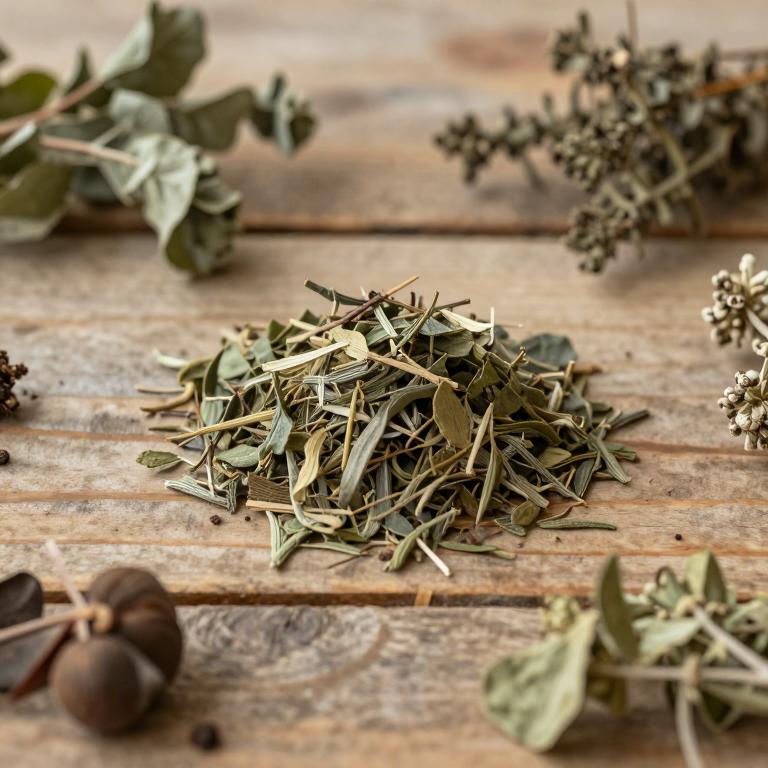
- Synonyms
- Oerstedianthus · Valerioanthus · 20 more
- Common names
- Not available
- Family
- Primulaceae
- Distribution
- Africa
- Plant Parts
- Not available
Classification
Common Names
Ardisia is a versatile genus of plants that is recognized by many different names across various cultures and languages. While many English speakers simply refer to it as ardízia, it is also frequently known by the common name klíman. In certain regions, you may encounter it called marlberry, adding to its diverse linguistic identity. This botanical variety extends globally, as seen in the Russian name Ардизия used by Eastern European enthusiasts. Even in Japan, the plant is identified through its formal classification as ヤブコウジ属.
Sources: Catalogue of Life (COL)
Synonyms
Ardisia is a complex genus that has historically been classified under various scientific names. Throughout botanical history, researchers have frequently utilized synonyms such as Afrardisia and Amatlania to describe its members. The taxonomic landscape is further complicated by names like Anguillaria and Auriculardisia. Additionally, the term Barthesia has been linked to the group in different scholarly contexts. Understanding these overlapping designations is essential for anyone studying the evolutionary lineage of this diverse plant family.
Sources: The World Checklist of Vascular Plants (WCVP)
Taxonomy
Ardisia is a fascinating member of the kingdom Plantae that showcases the incredible diversity of the natural world. Within this vast kingdom, the plant is classified under the class Equisetopsida. It belongs to the specific order Ericales, which connects it to a unique group of flowering plants. Further narrowing its biological identity, it is situated within the family Primulaceae. Ultimately, this plant is defined by its placement in the genus Ardisia, marking its distinct botanical lineage.
| Rank | Classification |
|---|---|
| Kingdom | Plantae |
| Phylum | Streptophyta |
| Class | Equisetopsida |
| Subclass | Magnoliidae |
| Order | Ericales |
| Family | Primulaceae |
| Genus | Ardisia |
Sources: The World Checklist of Vascular Plants (WCVP)
Distribution
Geographic Regions
Ardisia displays a diverse geographical distribution throughout the African continent. Its presence is notably documented across East Tropical Africa, specifically within the borders of Uganda. In the western regions, the genus can be found thriving in Nigeria. The plant also extends its reach into West-Central Tropical Africa, inhabiting areas such as Burundi and Cabinda. Finally, its range is further established through its documented growth in Cameroon.
Sources: The World Checklist of Vascular Plants (WCVP)
Identification
Biological Activities
Ardisia species serve as a remarkably diverse and invaluable source of potential therapeutic compounds. Research indicates that these plants possess significant anticancer properties, making them a focus for oncology studies. Furthermore, the genus demonstrates vital antidiabetic activity that can assist in metabolic health management. Their pharmacological profile is further strengthened by proven antiinflammatory and antioxidant effects. Finally, the antimicrobial capabilities of Ardisia extracts offer promising avenues for combating various infectious agents.
Compounds
Conditions
Ardisia is utilized in traditional medicine to treat various ailments, including the alleviation of diarrhea. This plant genus is also recognized for its ability to assist in managing birth complications and postnatal syndromes. Furthermore, extracts from these species have been used for the treatment of broken bones. The medicinal properties of Ardisia extend to fighting cancer, including specifically liver cancer. Additionally, the plant is commonly employed to treat coughs and other respiratory tract infections.