Ardisia iwahigensis
Ardisia iwahigensis · Accepted scientific name
Scientific literature: Very Sparse (6 studies) · ★☆☆☆☆
, scientifically known as Ardisia iwahigensis, is a remarkable medicinal plant valued for its unique therapeutic properties. Belonging to the Primulaceae family, this species holds significant potential in traditional medicine. Researchers are increasingly exploring its bioactive compounds to uncover new applications in treating various ailments and supporting holistic health.
- Family
- Primulaceae
- Native range
- Asia-Tropical
- Parts used
- Leaf
- Common names
- Not available
- Scientific synonyms
- Not available
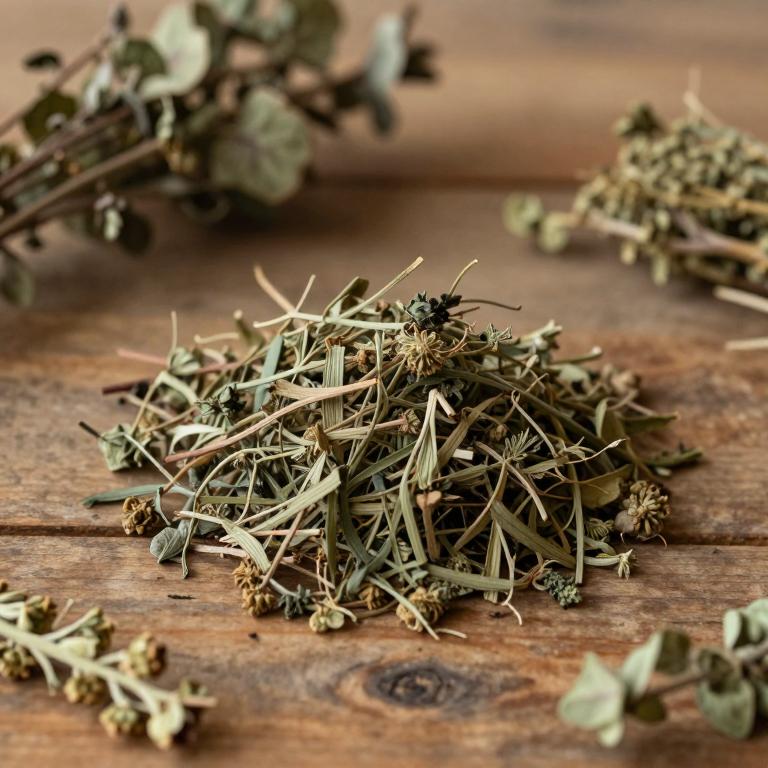
Names and Synonyms
Scientific Names
Accepted name
Ardisia iwahigensisSources: Wikidata
Taxonomical Classification
This plant, known scientifically as Ardisia iwahigensis, belongs to the kingdom Plantae and the phylum Streptophyta. It is classified under the class Equisetopsida and the subclass Magnoliidae within the order Ericales. Finally, it is a member of the family Primulaceae and falls under the genus Ardisia.
| Rank | Classification |
|---|---|
| Kingdom | Plantae |
| Phylum | Streptophyta |
| Class | Equisetopsida |
| Subclass | Magnoliidae |
| Order | Ericales |
| Family | Primulaceae |
| Genus | Ardisia |
Sources: The World Checklist of Vascular Plants (WCVP)
Distribution
This plant is specifically found within the diverse ecological regions of Malesia. Its known geographical distribution is currently limited to the Philippines. Within this archipelago, it occupies specific niche habitats that support its growth. This localized presence makes it a characteristic component of the local flora. Consequently, the species is recognized as a part of the unique botanical landscape of the Philippine islands.
| Region | Area |
|---|---|
| Malesia | Philippines |
Sources: The World Checklist of Vascular Plants (WCVP)
Plant Parts
Ardisia iwahigensis has 1 reported plant parts identified across 1 scientific publications and several other databases that are studied for medicinal purposes. The most consistently reported plant part include leaf.
| Plant part | Supporting sources | Consensus |
|---|---|---|
| Leaf | 1 supporting sources | ★☆☆☆☆ |
Leaf
- Journal of natural products
Chemicals
Ardisia iwahigensis has 2 reported phytochemicals identified across 1 scientific publications and several other databases. The most consistently reported chemicals include (Z)-1,16-bis(3-hydroxy-5-methoxyphenyl)-10-hexadecene-1,15-dione, ardisenone.
| Chemical | Supporting sources | Consensus |
|---|---|---|
| (Z)-1,16-bis(3-hydroxy-5-methoxyphenyl)-10-hexadecene-1,15-dione | 1 supporting sources | ★☆☆☆☆ |
| ardisenone | 1 supporting sources | ★☆☆☆☆ |
(Z)-1,16-bis(3-hydroxy-5-methoxyphenyl)-10-hexadecene-1,15-dione
- Journal of natural products
ardisenone
- Journal of natural products
Preparations
Ardisia iwahigensis has 1 reported preparations identified across 1 scientific publications and several other databases. The most consistently reported preparations include methanol extract of leaves and twigs.
| Preparation | Supporting sources | Consensus |
|---|---|---|
| Methanol extract of leaves and twigs | 1 supporting sources | ★☆☆☆☆ |
Methanol extract of leaves and twigs
- Journal of natural products