Ardisia cymosa var. cymosa
Ardisia cymosa var. cymosa · Accepted scientific name
Scientific literature: Very Sparse (0 studies) · ★☆☆☆☆
Ardisia cymosa var. cymosa is a botanical species that has garnered scientific interest due to its diverse array of bioactive chemical constituents. Research has identified key compounds within the plant, including 4-hydroxy-3-methoxy-benzoic acid, catechin, gallic acid, and gallic acid ethyl ester. Various formulations, such as 95% ethanol extract, aqueous extracts, and Ardisia chinensis polysaccharide (ACP), are utilized to study its therapeutic potential. Notably, investigations into these preparations have explored their specific effects under conditions related to the Duck hepatitis B virus. Through these diverse extracts, the plant serves as a significant subject for exploring complex phytochemical interactions.
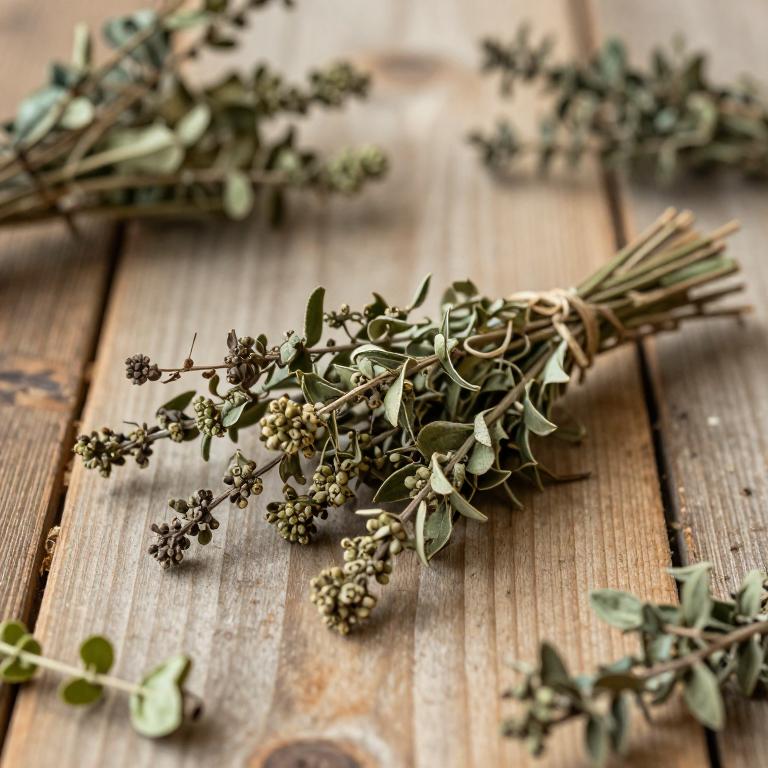
- Synonyms
- Tinus Triflora · Tinus Nutans · 16 more
- Common names
- Not available
- Family
- Primulaceae
- Distribution
- Pacific
- Plant Parts
- Not available
Classification
Synonyms
Ardisia cymosa var. cymosa is a complex botanical entity that is associated with several different taxonomic synonyms. Researchers may encounter this variety under various names, such as Ardisia argenticaulis or Ardisia cagayanensis. It is also closely linked to the names Ardisia chinensis and Ardisia jiajiangensis within scientific literature. Furthermore, the specific form known as Ardisia cymosa var. albiflora is considered a synonym of this plant. Understanding these various nomenclatural connections is essential for accurate identification in the field.
Sources: The World Checklist of Vascular Plants (WCVP)
Taxonomy
Ardisia cymosa var. cymosa is a distinct botanical specimen belonging to the kingdom Plantae. This plant is classified under the class Equisetopsida and falls within the specific order Ericales. Within this taxonomic hierarchy, it is a member of the family Primulaceae. It is further defined by its placement in the genus Ardisia. Understanding these biological relationships provides essential insight into the plant's evolutionary lineage.
| Rank | Classification |
|---|---|
| Kingdom | Plantae |
| Phylum | Streptophyta |
| Class | Equisetopsida |
| Subclass | Magnoliidae |
| Order | Ericales |
| Family | Primulaceae |
| Genus | Ardisia |
Sources: The World Checklist of Vascular Plants (WCVP)
Distribution
Geographic Regions
Ardisia cymosa var. cymosa is a versatile plant species with a wide geographical range spanning across several Asian regions. It is found throughout the temperate zones of China, specifically within the South-Central and Southeast territories. The species also extends its reach into Eastern Asia, where it thrives in the Nansei-shoto islands and throughout Taiwan. Beyond its temperate habitats, the plant successfully inhabits tropical environments such as the Indo-China region of Thailand. This diverse distribution highlights the plant's ability to adapt to varying climates across the continent.
Sources: The World Checklist of Vascular Plants (WCVP)
Identification
Biological Activities
Compounds
Ardisia cymosa var. cymosa is a plant characterized by a diverse profile of important chemical constituents. Detailed analysis reveals that it contains several organic acids, including 4-hydroxy-3-methoxy-benzoic acid and gallic acid. Furthermore, the plant is a source of gallic acid ethyl ester and the valuable compound catechin. Beyond these smaller molecules, the presence of polysaccharides plays a significant role in its chemical makeup. Together, these components define the complex phytochemical identity of this species.
Conditions
Ardisia cymosa var. cymosa is not mentioned in the provided research regarding duck hepatitis B virus treatments. The abstracts specifically highlight the antiviral potential of Ardisia chinensis instead. This medicinal herb demonstrated significant anti-DHBV activity when tested in aqueous extracts within primary duck hepatocyte cultures. Its selective index was measured at 2.6, making its effectiveness comparable to 2',3'-dideoxycytidine. Consequently, the study suggests that isolating active phytochemicals from such herbs could lead to new chronic hepatitis B treatments.
Preparations
Ardisia cymosa var. cymosa is prepared as a 95% ethanol extract to study its various medicinal properties. Researchers also utilize the plant to produce Ardisia chinensis polysaccharide (ACP) through specialized fractionation processes. The plant is frequently prepared as an aqueous extract to evaluate its potent antiviral activities. Furthermore, various aqueous extracts are utilized in comparative studies against different viral strains. Finally, the plant is prepared as an ethanol extract to facilitate the isolation and characterization of its specific chemical constituents.