Arctostaphylos
Arctostaphylos · Accepted scientific name
Scientific literature: Very Sparse (4 studies) · ★☆☆☆☆
Arctostaphylos is a diverse genus of flowering plants that has garnered significant scientific interest due to its unique therapeutic properties. Research indicates that these plants possess potent antihyperglycemic and antihyperlipidemic activities, making them valuable for metabolic health. Furthermore, their natural antioxidant capabilities provide a robust defense against oxidative stress within the body. The genus also demonstrates promising antiviral effects, suggesting a wide range of medicinal applications. Consequently, studying Arctostaphylos offers exciting possibilities for developing new natural treatments for various ailments.
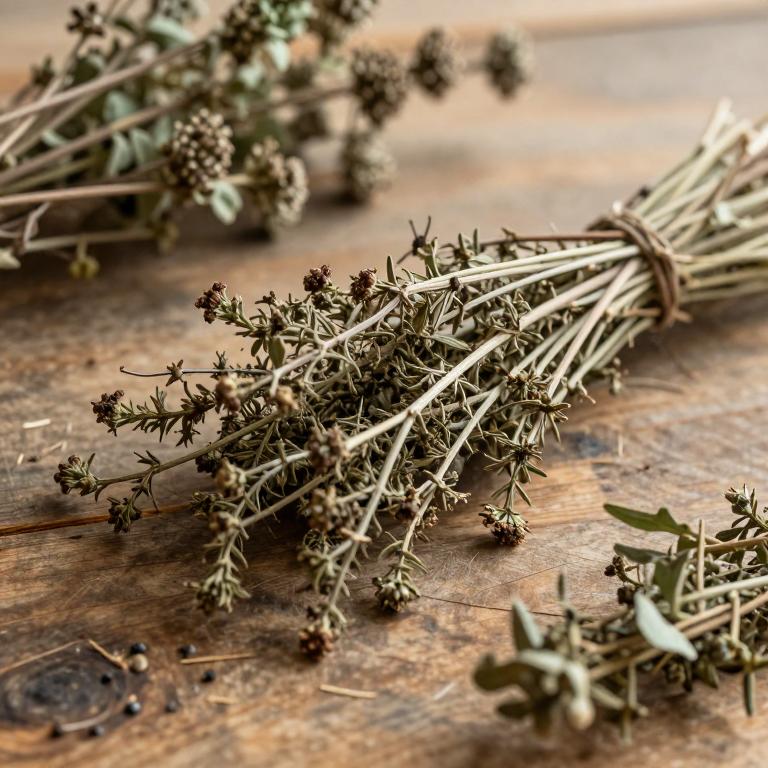
- Synonyms
- Mairrania · Mairania · 4 more
- Common names
- Not available
- Family
- Ericaceae
- Distribution
- Not available
- Plant Parts
- Not available
Classification
Common Names
Arctostaphylos is a versatile genus of plants recognized by a diverse array of regional names across different languages. In certain areas, it is commonly referred to by the name Ayıqulağı. English speakers frequently identify these plants as Bearberries, reflecting their historical connection to wildlife. This nomenclature extends into German-speaking regions, where they are known as Berendruif or Bärentraube. Finally, the plural form Bärentrauben is also widely used to describe these resilient shrubs.
Sources: Catalogue of Life (COL)
Synonyms
Arctostaphylos is a diverse genus that has been subject to various taxonomic reclassifications throughout botanical history. Many researchers have previously categorized specific species under different names, such as Daphnidostaphylis and Mairania. Other historical synonyms include the labels Mairrania and Schizococcus, reflecting evolving scientific perspectives on the plant's lineage. Additionally, the common name Uva-ursi is frequently associated with members of this group in various texts. Understanding these nomenclature shifts is essential for accurately identifying these plants within modern botanical frameworks.
Sources: The World Checklist of Vascular Plants (WCVP)
Taxonomy
Arctostaphylos is a diverse group of plants that belongs to the kingdom Plantae. Within this vast kingdom, the genus is classified under the order Ericales. It further resides within the specific family Ericaceae, which helps define its unique biological characteristics. At a more structural level, this genus is categorized under the class Equisetopsida. Understanding these hierarchical relationships provides essential insight into the evolutionary placement of Arctostaphylos.
| Rank | Classification |
|---|---|
| Kingdom | Plantae |
| Phylum | Streptophyta |
| Class | Equisetopsida |
| Subclass | Magnoliidae |
| Order | Ericales |
| Family | Ericaceae |
| Genus | Arctostaphylos |
Sources: The World Checklist of Vascular Plants (WCVP)
Distribution
Geographic Regions
Arctostaphylos exhibits a broad and diverse distribution throughout the Asia-Temperate region. These plants can be found spanning the mountainous landscapes of the Caucasus and the Transcaucasus. Their presence extends across the vast terrains of Mongolia, showcasing their adaptability to different environments. In the Russian Far East, specific populations thrive within the Amur and Khabarovsk regions. Together, these varied locations highlight the wide ecological range of the genus across Asia.
Sources: The World Checklist of Vascular Plants (WCVP)
Identification
Biological Activities
Arctostaphylos plants serve as a significant source of arbutin, a glycosylated hydroquinone with diverse biological benefits. Research indicates that this genus possesses notable antihyperglycemic and antihyperlipidemic activities, which can aid in metabolic regulation. Additionally, the plant exhibits strong antioxidant properties that help combat oxidative stress within the body. Its medicinal profile is further enhanced by its demonstrated antiviral capabilities. Together, these multifaceted pharmacological properties highlight the significant therapeutic potential of the Arctostaphylos genus.
Compounds
Arctostaphylos plants serve as a vital natural source for the production of arbutin, a glycosylated hydroquinone with significant pharmacological potential. This specific compound has demonstrated a diverse range of beneficial properties, including antioxidant, anti-inflammatory, and antiviral activities. Recent research highlights its ability to alleviate liver injury caused by cholestasis by regulating bile acid homeostasis. Specifically, arbutin works by activating the farnesoid X receptor (FXR) and upregulating key downstream enzymes. These findings suggest that arbutin could eventually serve as a promising therapeutic molecule for treating cholestatic diseases.
Conditions
Arctostaphylos serves as a significant source of arbutin, a compound that effectively treats liver injury by protecting against cholestasis. Specifically, this plant derivative alleviates $\alpha$-Naphthylisothiocyanate-induced cholestasis by regulating bile acid homeostasis. Research demonstrates that arbutin provides a protective effect to treat ANIT-induced cholestatic liver toxicity. This therapeutic action is achieved through the upregulation of the farnesoid X receptor (FXR) and various downstream enzymes. Consequently, the genus Arctostaphylos offers valuable chemical molecules for addressing the complications associated with cholestatic diseases.