Arctostaphylos viscida
Arctostaphylos viscida · Accepted scientific name
Scientific literature: Very Sparse (0 studies) · ★☆☆☆☆
Arctostaphylos viscida, commonly known as bitter manzanita, is a resilient evergreen shrub native to the coastal regions of California. This species is characterized by its distinctive smooth, mahogany-colored bark and small, leathery leaves. It thrives in nutrient-poor, well-draining soils, often finding a niche in chaparral ecosystems. Interestingly, certain biochemical studies involving this plant have examined its interactions with enzymes such as tyrosinase. Understanding its unique chemical properties and habitat requirements remains vital for preserving its natural environment.
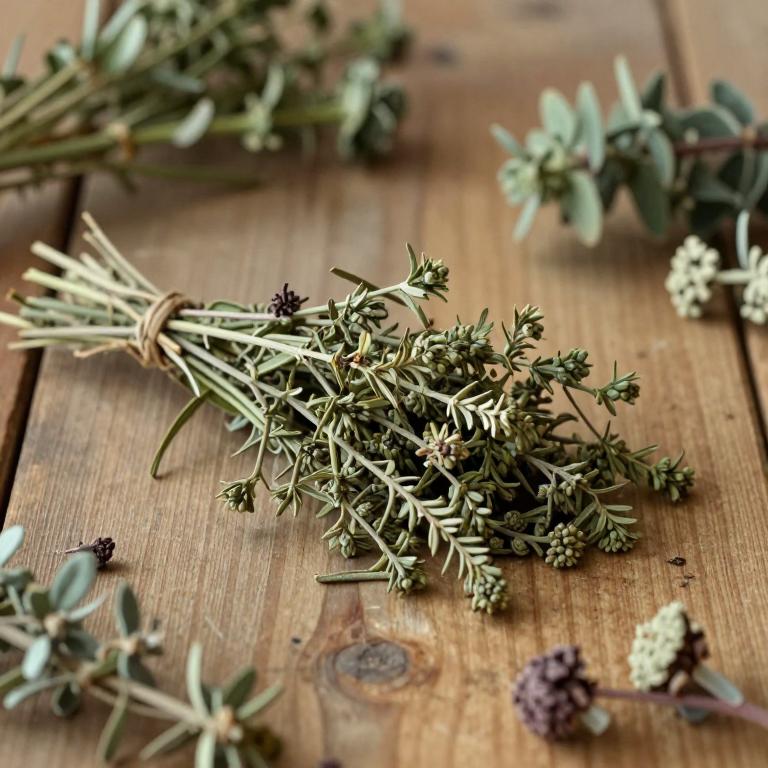
- Synonyms
- Uva-Ursi Viscida
- Common names
- Not available
- Family
- Ericaceae
- Distribution
- Not available
- Plant Parts
- Not available
Classification
Common Names
Arctostaphylos viscida is a versatile shrub recognized by a diverse array of regional and international names. In many English-speaking areas, it is most frequently referred to as the Whiteleaf Manzanita or the white-leaf manzanita. Some enthusiasts also use the descriptive name Sticky Whiteleaf Manzanita to highlight its unique physical characteristics. The plant's reach extends globally, as seen in the Polish name mącznica biaława. It is even identified in Chinese botanical contexts as 白葉曼朱尼棠.
Sources: Catalogue of Life (COL)
Synonyms
Arctostaphylos viscida is a distinctive species known for its unique ecological role. Within botanical literature, this plant is also formally recognized by its synonym, Uva-ursi viscida. Understanding these nomenclatural connections is essential for researchers tracking the plant's distribution. While the names may vary across different texts, they both refer to the same biological entity. Such taxonomic clarity ensures that conservation efforts remain accurate and effective.
Sources: The World Checklist of Vascular Plants (WCVP)
Taxonomy
Arctostaphylos viscida is a fascinating member of the kingdom Plantae that exhibits unique biological characteristics. This species is classified under the class Equisetopsida and belongs to the diverse order Ericales. Within this order, it is situated in the Ericaceae family, showcasing its specific evolutionary connections. It further shares its lineage through the genus Arctostaphylos, which defines its closely related botanical relatives. Understanding these taxonomic relationships helps clarify the precise place this plant holds within the natural world.
| Rank | Classification |
|---|---|
| Kingdom | Plantae |
| Phylum | Streptophyta |
| Class | Equisetopsida |
| Subclass | Magnoliidae |
| Order | Ericales |
| Family | Ericaceae |
| Genus | Arctostaphylos |
Sources: The World Checklist of Vascular Plants (WCVP)
Distribution
Geographic Regions
Arctostaphylos viscida is a distinctive species widely distributed across various regions of North America. Its presence is notably established throughout the Northwestern United States, with significant populations found within the state of Oregon. Additionally, this plant thrives across the Southwestern United States, particularly throughout the diverse landscapes of California. These overlapping ranges highlight the plant's adaptability to different environmental conditions within the western part of the continent. Understanding these specific geographical distributions is essential for studying the ecological role of this species.
Sources: The World Checklist of Vascular Plants (WCVP)
Identification
Morphology
Arctostaphylos viscida is characterized by its distinct tree-like growth form. As a self-supporting species, it maintains its structural integrity and upright posture within its natural habitat.
Sources: Global Inventory of Floras and Traits (GIFT)
Biological Activities
Compounds
Conditions
Arctostaphylos viscida demonstrates significant potential in the treatment of melanin biosynthesis through its inhibitory effects. Specifically, the plant extracts work to treat the production of melanin from dopachrome by autoxidation. It also functions to treat tyrosinase, which plays a key role in the pigmentation process. Due to these biological actions, the plant serves as an effective whitening agent for the skin. These combined properties highlight the medicinal value of the species in dermatological applications.