Arctostaphylos patula
Arctostaphylos patula · Accepted scientific name
Scientific literature: Very Sparse (0 studies) · ★☆☆☆☆
Arctostaphylos patula, commonly known as greenleaf manzanita, is a resilient evergreen shrub native to the diverse landscapes of western North America. This species is highly valued in xeriscaping for its ability to thrive in nutrient-poor, well-drained soils under intense sunlight. Its distinctive smooth, reddish bark and small, leathery leaves provide a striking textural element to Mediterranean-style gardens. While many plants struggle with specific chemical imbalances, this hardy shrub maintains its vitality even when environmental conditions involve complex enzymatic activities like tyrosinase production. By incorporating this plant into a landscape, gardeners can achieve a low-maintenance beauty that honors the natural ecology of the chaparral.
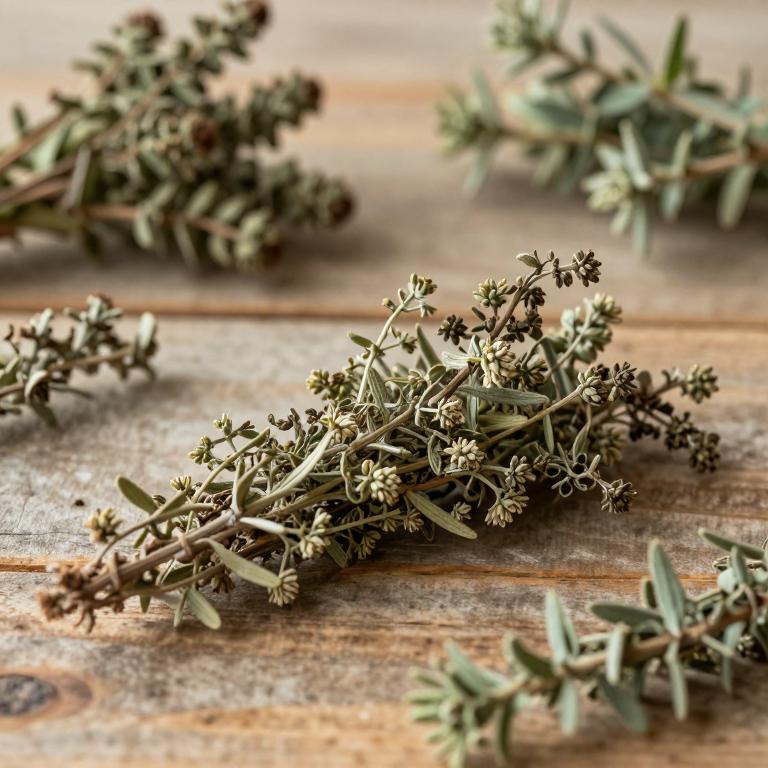
- Synonyms
- Uva-Ursi Patula
- Common names
- Not available
- Family
- Ericaceae
- Distribution
- Not available
- Plant Parts
- Not available
Classification
Common Names
Arctostaphylos patula is a versatile shrub widely recognized by several different names across various languages. In English, it is most frequently referred to as the green-leaf manzanita or the greenleaf manzanita. This plant also holds specific designations in Chinese, such as 展枝熊果 and 緑葉曼朱尼棠. Additionally, it is commonly known as 緑葉熊果 in certain botanical contexts. Understanding these diverse nomenclature styles helps enthusiasts identify the species regardless of their linguistic background.
Sources: Catalogue of Life (COL)
Synonyms
Arctostaphylos patula is a resilient shrub often recognized by botanical enthusiasts for its unique growth patterns. In many scientific texts, you may encounter this species listed under its synonym, Uva-ursi patula. This nomenclatural overlap can sometimes cause confusion for researchers attempting to categorize the plant correctly. Understanding these taxonomic links is essential for accurate identification in the field. Ultimately, recognizing both names ensures that the plant is properly documented within its ecological context.
Sources: The World Checklist of Vascular Plants (WCVP)
Taxonomy
Arctostaphylos patula is a distinctive botanical specimen that belongs to the kingdom Plantae. Within this vast kingdom, it is classified under the class Equisetopsida. The plant further falls into the order Ericales, showcasing its specific evolutionary lineage. As a member of the Ericaceae family, it shares characteristics with many other well-known heath plants. Finally, it is identified by its specific genus, Arctostaphylos, which defines its unique biological identity.
| Rank | Classification |
|---|---|
| Kingdom | Plantae |
| Phylum | Streptophyta |
| Class | Equisetopsida |
| Subclass | Magnoliidae |
| Order | Ericales |
| Family | Ericaceae |
| Genus | Arctostaphylos |
Sources: The World Checklist of Vascular Plants (WCVP)
Distribution
Geographic Regions
Arctostaphylos patula is a resilient species with a broad geographical footprint spanning much of North America. Its natural range extends southward into Mexico, including the specific regions of Northwest Mexico. Within the United States, the plant is widely distributed across the Northwestern territories, establishing itself in states such as Oregon and Washington. It can also be found thriving in the mountainous landscapes of Montana and Colorado. This diverse distribution highlights the plant's ability to adapt to various environments across the continent.
Sources: The World Checklist of Vascular Plants (WCVP)
Identification
Morphology
Arctostaphylos patula is a self-supporting shrub that maintains a sturdy structure in its natural habitat. This plant typically reaches a maximum height of 1.8 meters as it matures. Its distinct growth form makes it a notable feature of the local landscape.
Sources: Global Inventory of Floras and Traits (GIFT)
Biological Activities
Compounds
Conditions
Arctostaphylos patula serves as a potent inhibitor of melanin biosynthesis through its ethanol leaf extracts. This plant specifically targets and treats tyrosinase to prevent pigment formation. Additionally, it treats the production of melanin from dopachrome by autoxidation. Due to these biological mechanisms, the plant acts as an effective whitening agent for the skin.