Archidendron jiringa
Archidendron jiringa · Accepted scientific name
Scientific literature: Very Sparse (3 studies) · ★☆☆☆☆
, scientifically known as Archidendroon jiringa, is a versatile medicinal plant highly valued in traditional healing practices. Renowned for its potent bioactive compounds, it is frequently utilized to treat various ailments, including inflammation and digestive issues. This botanical species offers significant therapeutic potential for modern pharmacological research and natural wellness.
- Family
- Fabaceae
- Native range
- Asia-Tropical
- Parts used
- Fruit
- Common names
- Not available
- Scientific synonyms
- Zygia Jiriuga · Inga Jiringa · 9 more
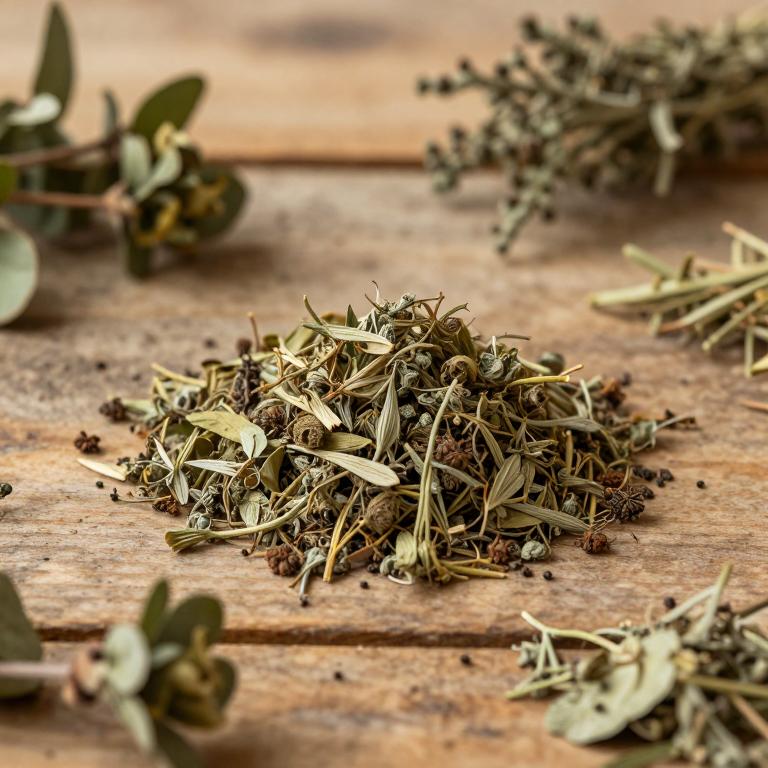
Names and Synonyms
Scientific Names
Accepted name
Archidendron jiringaSynonyms
- Zygia jiriuga
- Inga jiringa
- Mimosa jiringa
- Mimosa koeringa
- Pithecellobium lobatum
- Pithecellobium lateriflorum
- Albizia jiringa
- Feuilleea jiringa
- Inga kaeringa
- Pithecellobium jiringa
- Inga koeringa
Sources: Wikidata, Catalogue of Life
Taxonomical Classification
This plant belongs to the kingdom Plantae and is classified under the phylum Streptophyta and class Equisetopsida. Within the subclass Magnoliidae, it is ordered as Fabales and placed in the family Fabaceae. Finally, it is identified by the genus Archidendroon and the species jiringa.
| Rank | Classification |
|---|---|
| Kingdom | Plantae |
| Phylum | Streptophyta |
| Class | Equisetopsida |
| Subclass | Magnoliidae |
| Order | Fabales |
| Family | Fabaceae |
| Genus | Archidendron |
Sources: The World Checklist of Vascular Plants (WCVP)
Distribution
This plant exhibits a broad geographical distribution spanning several distinct ecological regions across Asia. Within the Indian Subcontinent, its presence is specifically noted in Bangladesh. Moving into the Indo-China region, the species can be found inhabiting parts of both Myanmar and Thailand. The plant also extends into the Malesia zone, where it is distributed across the island of Borneo. Finally, its range includes the island of Jawa, completing its extensive tropical footprint.
| Region | Area |
|---|---|
| Indian Subcontinent | Bangladesh |
| Indo-China | Myanmar |
| Indo-China | Thailand |
| Malesia | Borneo |
| Malesia | Jawa |
| Malesia | Malaya |
| Malesia | Sumatera |
Sources: The World Checklist of Vascular Plants (WCVP)
Botanical Identification
Life history
The life history of Archidenndron jiringa is characterized by its status as a perennial organism, allowing it to persist through multiple growing seasons and establish a stable presence within its ecological niche. Throughout its lifespan, the plant maintains an evergreen habit, ensuring that its foliage remains functional and photosynthetic year-round rather than undergoing a period of seasonal leaf loss.
- Deciduousness :
- evergreen
- Lifecycle :
- perennial
Morphology
The morphology of Archidenndron jiringa is characterized by its significant stature and robust structure, functioning as a woody tree that can reach an average height of 20 m, with a maximum growth potential of up to 21 m. As a terrestrial species, it is not aquatic and does not function as an epiphyte, maintaining a grounded existence. The plant is biologically independent, showing no parasitic tendencies, and is classified as self-supporting in its growth habit rather than acting as a liana, vine, or climbing entity. Its structural integrity is defined by its woody composition, supporting its substantial vertical development.
- Aquatic :
- terrestrial
- Climber :
- self-supporting
- Epiphyte :
- terrestrial
- Growth form :
- tree
- Parasite :
- independent
- Plant height max:
- 21 m
- Plant height mean:
- 20 m
- Woodiness :
- woody
Physiology
The physiology of Archidenron jiringa is characterized by its specific metabolic and nutritional processes. The plant utilizes the C3 photosynthetic pathway, employing the standard Calvin cycle for carbon fixation to convert light energy into chemical energy. Furthermore, regarding its nutrient acquisition processes, the plant is not a nitrogen fixer, meaning it lacks the symbiotic relationship with nitrogen-fixing bacteria required to convert atmospheric nitrogen into usable forms, relying instead on the uptake of nitrogenous compounds directly from the soil.
- Nitrogen fixer :
- no
- Photosynthetic pathway :
- C3
Reproduction
The reproduction of Archidenon jiringa is characterized by a complex biotic pollination syndrome, relying primarily on living organisms to facilitate the transfer of pollen. The reproductive process is driven by biotic mechanisms rather than abiotic factors like wind or water, ensuring targeted genetic exchange. Specifically, the plant exhibits a strong dependency on insect pollination, utilizing various insect vectors to achieve successful fertilization. This insect-mediated process involves a diverse range of pollinators, including bees, beetles, ants, butterflies, moths, and flies, which play critical roles in the plant's life cycle through the movement of pollen between flowers.
- Pollination syndrome :
- insect
- Pollination syndrome :
- biotic
Sources: Global Inventory of Floras and Traits (GIFT)
Plant Parts
Archidendron jiringa has 1 reported plant parts identified across 1 scientific publications and several other databases that are studied for medicinal purposes. The most consistently reported plant part include fruit.
| Plant part | Supporting sources | Consensus |
|---|---|---|
| Fruit | 1 supporting sources | ★☆☆☆☆ |
Fruit
- BMC complementary and alternative medicine
Activities
Archidendron jiringa has 1 reported activities identified across 1 scientific publications and several other databases. The most consistently reported activities include Antioxidant.
| Activity | Supporting sources | Consensus |
|---|---|---|
| Antioxidant | 1 supporting sources | ★☆☆☆☆ |
Antioxidant
- BMC complementary and alternative medicine
Conditions
Archidendron jiringa has 1 reported investigations on conditions identified across 1 scientific publications and several other databases. The most consistently reported conditions include obesity.
| Condition | Supporting sources | Consensus |
|---|---|---|
| Obesity | 1 supporting sources | ★☆☆☆☆ |
Obesity
- Molecules (Basel, Switzerland)
Preparations
Archidendron jiringa has 2 reported preparations identified across 1 scientific publications and several other databases. The most consistently reported preparations include Hexane and dichloromethane extracts, ethanol extracts.
| Preparation | Supporting sources | Consensus |
|---|---|---|
| Hexane and dichloromethane extracts | 1 supporting sources | ★☆☆☆☆ |
| Ethanol extracts | 1 supporting sources | ★☆☆☆☆ |
Hexane and dichloromethane extracts
- Journal of ethnopharmacology
Ethanol extracts
- BMC complementary and alternative medicine