Libyan Strawberry Tree
Arbutus pavarii · Accepted scientific name
Scientific literature: Very Sparse (29 studies) · ★☆☆☆☆
Libyan Strawberry Tree, scientifically known as Arbutus pavii, is a resilient evergreen shrub native to North Africa. Renowned for its medicinal properties, it is frequently utilized in traditional herbalism to treat skin ailments and digestive issues. Its unique bioactive compounds make it a subject of significant pharmacological interest today.
- Family
- Ericaceae
- Native range
- Africa
- Parts used
- Leaf · Stem
- Common names
- Libyan Strawberry Tree · Libyan Strawberry-Tree
- Scientific synonyms
- Not available
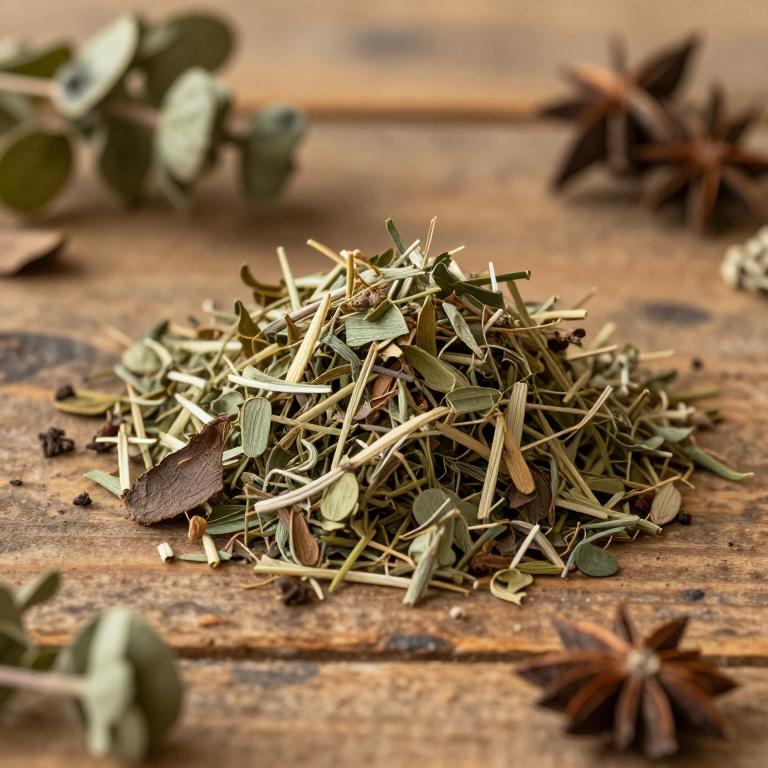
Names and Synonyms
Common Names
- Libyan Strawberry Tree
- Libyan Strawberry-tree
Scientific Names
Accepted name
Arbutus pavariiSources: Wikidata, Catalogue of Life
Taxonomical Classification
This plant belongs to the kingdom Plantae within the phylum Streptophyta and the class Equisetopsida. It is classified under the subclass Magnoliidae and the order Ericales, falling into the family Ericaceae. Finally, it is identified by its genus, Arbutus, and its specific species name, Arbutus pavarii.
| Rank | Classification |
|---|---|
| Kingdom | Plantae |
| Phylum | Streptophyta |
| Class | Equisetopsida |
| Subclass | Magnoliidae |
| Order | Ericales |
| Family | Ericaceae |
| Genus | Arbutus |
Sources: The World Checklist of Vascular Plants (WCVP)
Distribution
This plant exhibits a very restricted geographical distribution within the Mediterranean region. Its natural occurrence is primarily limited to specific areas of Northern Africa. Specifically, research indicates that it can be found growing in the territory of Libya. Because of this localized presence, the species is considered to have a highly niche habitat. Consequently, its global range remains extremely minimal and focused within this single nation.
| Region | Area |
|---|---|
| Northern Africa | Libya |
Sources: The World Checklist of Vascular Plants (WCVP)
Botanical Identification
Morphology
The morphology of Arbutus pavarii is characterized by its distinct growth form as a tree, which establishes a structural presence within its natural habitat. This botanical specimen exhibits a woody nature, possessing rigid, lignified tissues that support its upright development and permanent structure.
- Growth form :
- tree
- Woodiness :
- woody
Physiology
The physiology of Arbutus pavarii is characterized by a specialized metabolic framework optimized for its specific environmental niche. A fundamental aspect of its metabolic function is its photosynthetic pathway, which follows the C3 mechanism. In this process, carbon dioxide is fixed directly from the atmosphere via the enzyme RuBisCO to form a three-carbon compound, representing the standard carbon assimilation strategy for most woody perennial species within the Ericaceae family. This C3 pathway dictates the plant's water-use efficiency and gas exchange dynamics, as it relies on maintaining open stomata for CO2 uptake, which inherently links its carbon fixation rates to transpiration and moisture availability in its habitat.
- Photosynthetic pathway :
- C3
Sources: Global Inventory of Floras and Traits (GIFT)
Plant Parts
Arbutus pavarii has 3 reported plant parts identified across 5 scientific publications and several other databases that are studied for medicinal purposes. The most consistently reported plant part include leaf, stem, fruit.
| Plant part | Supporting sources | Consensus |
|---|---|---|
| Leaf | 2 supporting sources | ★☆☆☆☆ |
| Stem | 2 supporting sources | ★☆☆☆☆ |
| Fruit | 1 supporting sources | ★☆☆☆☆ |
Leaf
- Access microbiology
- Plants (Basel, Switzerland)
Stem
- Access microbiology
- Plants (Basel, Switzerland)
Fruit
- Access microbiology
Chemicals
Arbutus pavarii has 8 reported phytochemicals identified across 5 scientific publications and several other databases. The most consistently reported chemicals include Flavonoids, CATECHIN, Gallic acid, Procyanidins, Quercetin 3-O-glucoside.
| Chemical | Supporting sources | Consensus |
|---|---|---|
| Flavonoids | 2 supporting sources | ★☆☆☆☆ |
| CATECHIN | 1 supporting sources | ★☆☆☆☆ |
| Gallic acid | 1 supporting sources | ★☆☆☆☆ |
| Procyanidins | 1 supporting sources | ★☆☆☆☆ |
| Quercetin 3-O-glucoside | 1 supporting sources | ★☆☆☆☆ |
| Terpenoids | 1 supporting sources | ★☆☆☆☆ |
| flavonols | 1 supporting sources | ★☆☆☆☆ |
| quercetin | 1 supporting sources | ★☆☆☆☆ |
Flavonoids
- Plants (Basel, Switzerland)
- Journal of enzyme inhibition and medicinal chemistry
CATECHIN
- Access microbiology
Gallic acid
- Journal of enzyme inhibition and medicinal chemistry
Procyanidins
- Journal of enzyme inhibition and medicinal chemistry
Quercetin 3-O-glucoside
- Journal of enzyme inhibition and medicinal chemistry
Terpenoids
- Plants (Basel, Switzerland)
flavonols
- Plants (Basel, Switzerland)
quercetin
- Access microbiology
Activities
Arbutus pavarii has 2 reported activities identified across 5 scientific publications and several other databases. The most consistently reported activities include Antioxidant, Hepatoprotective.
| Activity | Supporting sources | Consensus |
|---|---|---|
| Antioxidant | 2 supporting sources | ★☆☆☆☆ |
| Hepatoprotective | 1 supporting sources | ★☆☆☆☆ |
Antioxidant
- Plants (Basel, Switzerland)
- Journal of enzyme inhibition and medicinal chemistry
Hepatoprotective
- Journal of enzyme inhibition and medicinal chemistry
Conditions
Arbutus pavarii has 6 reported investigations on conditions identified across 5 scientific publications and several other databases. The most consistently reported conditions include MRSA, cancer, gastritis, kidney diseases, methicillin-resistant Staphylococcus aureus.
| Condition | Supporting sources | Consensus |
|---|---|---|
| Mrsa | 1 supporting sources | ★☆☆☆☆ |
| Cancer | 1 supporting sources | ★☆☆☆☆ |
| Gastritis | 1 supporting sources | ★☆☆☆☆ |
| Kidney diseases | 1 supporting sources | ★☆☆☆☆ |
| Methicillin-resistant staphylococcus aureus | 1 supporting sources | ★☆☆☆☆ |
| Oxidative damage | 1 supporting sources | ★☆☆☆☆ |
Mrsa
- Plants (Basel, Switzerland)
Cancer
- Plants (Basel, Switzerland)
Gastritis
- Plants (Basel, Switzerland)
Kidney diseases
- Plants (Basel, Switzerland)
Methicillin-resistant staphylococcus aureus
- Plants (Basel, Switzerland)
Oxidative damage
- Plants (Basel, Switzerland)
Preparations
Arbutus pavarii has 4 reported preparations identified across 5 scientific publications and several other databases. The most consistently reported preparations include Ethanolic and aqueous extracts, crude leaf methanolic extract, ethyl acetate fraction of the leaf, leaf and stem bark extracts.
| Preparation | Supporting sources | Consensus |
|---|---|---|
| Ethanolic and aqueous extracts | 1 supporting sources | ★☆☆☆☆ |
| Crude leaf methanolic extract | 1 supporting sources | ★☆☆☆☆ |
| Ethyl acetate fraction of the leaf | 1 supporting sources | ★☆☆☆☆ |
| Leaf and stem bark extracts | 1 supporting sources | ★☆☆☆☆ |
Ethanolic and aqueous extracts
- Access microbiology
Crude leaf methanolic extract
- Plants (Basel, Switzerland)
Ethyl acetate fraction of the leaf
- Plants (Basel, Switzerland)
Leaf and stem bark extracts
- Plants (Basel, Switzerland)