Araucaria araucana
Araucaria araucana · Accepted scientific name
Scientific literature: Very Sparse (0 studies) · ★☆☆☆☆
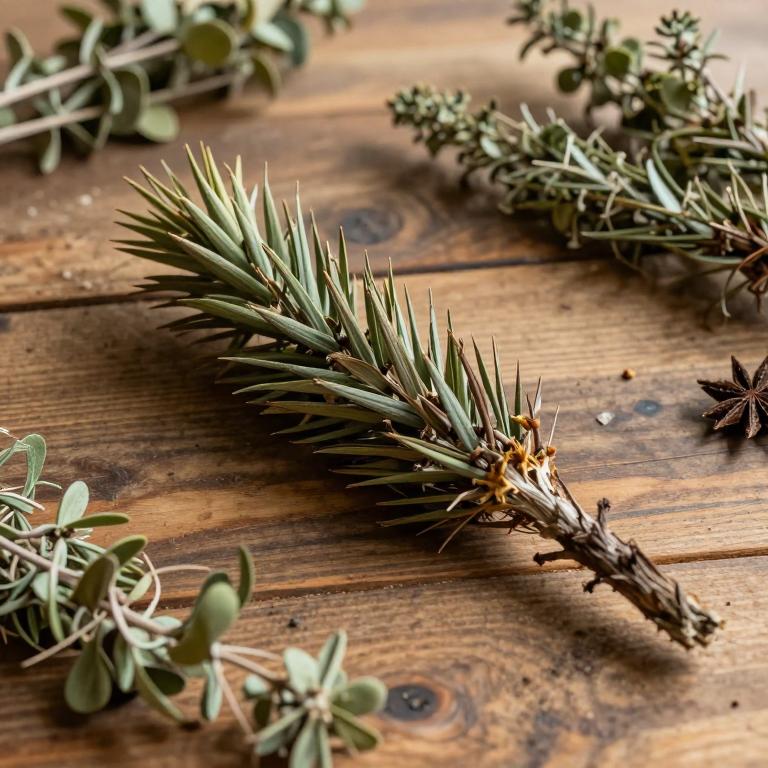
Araucaria araucana, commonly known as the Monkey Puzzle tree, is a striking prehistoric conifer native to the Andes mountains. This ancient species is highly regarded for its unique, scale-like foliage and resilient growth patterns. Beyond its ornamental value, the plant is a significant source of nutritional resources for local ecosystems. Specifically, the seed of this tree is a vital component that contains high levels of beneficial antioxidants. These chemical compounds contribute to the plant's biological importance and offer potential health advantages.
- Synonyms
- Pinus Araucana · Columbea Imbricata · 16 more
- Common names
- Not available
- Family
- Araucariaceae
- Distribution
- Not available
- Plant Parts
- Seed
Classification
Common Names
Araucaria araucana is a remarkable species known by a diverse array of regional and descriptive common names. In certain botanical circles, it is frequently referred to as the Abetræ or the Afebam. It also carries the distinct titles of Affenbaum and Affenschwanzbaum, names that reflect its unique historical nomenclature. Additionally, the tree is widely recognized as the Andentanne, highlighting its significant presence in the Andean landscape. This variety of names underscores the global cultural and botanical importance of this ancient conifer.
Sources: Catalogue of Life (COL)
Synonyms
Araucaria araucana is a scientifically complex species characterized by several distinct taxonomic synonyms. Within botanical literature, it is sometimes referred to by the older designation Abies araucana. The plant also encompasses various specialized forms and subspecies, such as Araucaria araucana f. virgata and the subspecies conguillioensis. Further classification includes specific varieties like Araucaria araucana var. angustifolia to denote certain morphological traits. Finally, the golden-hued Araucaria araucana var. aurea represents another recognized variation within this diverse lineage.
Sources: The World Checklist of Vascular Plants (WCVP)
Taxonomy
Araucaria araucana belongs to the expansive kingdom Plantae, representing a unique lineage of living history. Within this botanical realm, the species is classified under the class Equisetopsida. It further descends through the order Pinales, which connects it to other significant conifer groups. The tree is a distinguished member of the family Araucariaceae, showcasing specialized evolutionary traits. Finally, it finds its specific biological home within the genus Araucaria.
| Rank | Classification |
|---|---|
| Kingdom | Plantae |
| Phylum | Streptophyta |
| Class | Equisetopsida |
| Subclass | Pinidae |
| Order | Pinales |
| Family | Araucariaceae |
| Genus | Araucaria |
Sources: The World Checklist of Vascular Plants (WCVP)
Distribution
Geographic Regions
Araucaria araucana exhibits a fascinating geographic distribution that spans both hemispheres. While its primary natural habitats are found across Southern America, specifically within the regions of central and southern Chile and southern Argentina, the species is also documented in Europe. This includes specific presence in Northern Europe and Great Britain, likely due to historical cultivation. The plant's reach across these diverse climates highlights its unique ecological footprint. Consequently, understanding its presence in both South American landscapes and European territories provides a complete picture of its global range.
Sources: The World Checklist of Vascular Plants (WCVP)
Identification
Morphology
Araucaria araucana exhibits a robust growth form as a majestic tree. This species is naturally self-supporting, standing firmly on its own within its native habitat.
Sources: Global Inventory of Floras and Traits (GIFT)
Biological Activities
Compounds
Conditions
Araucaria araucana callus derived from embryonic axes demonstrates significant therapeutic potential due to its unique biological properties. During the study of biomass production, researchers observed that these calli possess high phenolic and flavonoid content. Crucially, the results indicated that the extracts produced from this species exhibit no cytotoxicity on mammalian cells. This lack of toxicity suggests that the metabolites could be safely explored for medicinal applications. Such findings support the development of sustainable biotechnological methods for utilizing the plant's valuable compounds.
Preparations
Parts used
Araucaria araucana, commonly known as the Monkey puzzle tree, holds significant ecological and nutritional value due to its unique seeds. These seeds serve as a rich source of essential micronutrients and potent antioxidants, making them highly sought after for medicinal and dietary uses. However, the species is currently endangered because the overexploitation of these seeds, combined with low natural germination rates, threatens its survival. To address this, researchers are developing biotechnological protocols to induce callus growth and optimize in vitro germination from the seed components. Such advancements offer a sustainable way to produce valuable metabolites while contributing to the long-term preservation of this endemic tree.