spikenard
Aralia · Accepted scientific name
Scientific literature: Very Sparse (22 studies) · ★☆☆☆☆
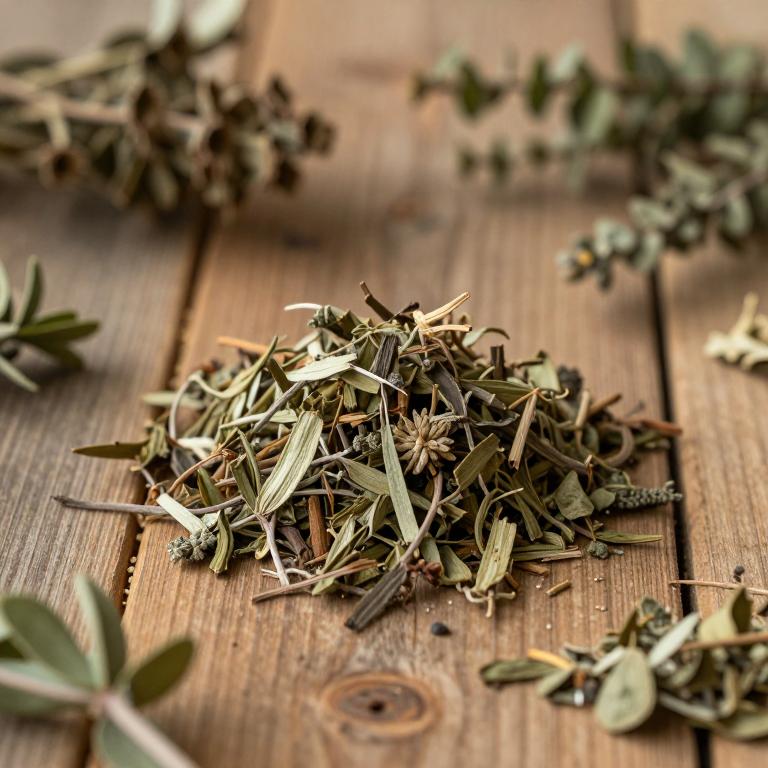
Spikenard, scientifically known as Aralia, is a cherished medicinal herb prized for its aromatic properties and therapeutic potential. Renowned in traditional wellness practices, this plant offers diverse healing benefits, ranging from soothing skin ailments to promoting relaxation. Discover the profound essence and revitalizing power of this botanical treasure.
Names and Synonyms
Common Names
- spikenard
- Angelica Trees
- spikenards
Scientific Names
Accepted name
AraliaSynonyms
- Megalopanax
- Coudenbergia
- Pentapanax
- Dimorphanthus
- Neoacanthophora
- Hunaniopanax
- Sciadodendron
- Parapentapanax
Regional and Traditional Names
Spanish:
- Coudenbergia
- Neoacanthophora
- Cwangayana
- Megalopanax
- Hunaniopanax
- Sciadodendron
- Coemansia
- Arbol de angelica
- Acanthophora
- Árbol de angelica
- Árbol de angélica
- Dimorphanthus
- Parapentapanax
- Pentapanax
- Arbol de angélica
- Aralias
- Árbol de Angélica
German:
- Aralien
- Aralie
- Aralien
French:
- Aralie
- Aralies
- Aralies
Sources: Wikidata, Catalogue of Life
Taxonomical Classification
This plant belongs to the kingdom Plantae and is classified under the phylum Streptophyta within the class Equisetopsida. It falls under the subclass Magnoliidae and the order Apiales, specifically within the family Araliaceae. Finally, it is categorized under the genus Aralia.
| Rank | Classification |
|---|---|
| Kingdom | Plantae |
| Phylum | Streptophyta |
| Class | Equisetopsida |
| Subclass | Magnoliidae |
| Order | Apiales |
| Family | Araliaceae |
| Genus | Aralia |
Sources: The World Checklist of Vascular Plants (WCVP)
Distribution
This plant exhibits a specific geographical distribution across several regions of Europe. In Northern Europe, it can be found growing in Denmark, Great Britain, and Ireland. Its presence also extends further north into the country of Sweden. Additionally, the species is located within Middle Europe, specifically in Austria. These diverse locations highlight the plant's ability to inhabit various European climates.
| Region | Area |
|---|---|
| Northern Europe | Denmark |
| Northern Europe | Great Britain |
| Northern Europe | Ireland |
| Northern Europe | Sweden |
| Middle Europe | Austria |
| Middle Europe | Czechia-Slovakia |
| Middle Europe | Germany |
| Middle Europe | Switzerland |
| Southeastern Europe | Albania |
| Eastern Europe | Baltic States |
Sources: The World Checklist of Vascular Plants (WCVP)
Plant Parts
Aralia has 2 reported plant parts identified across 2 scientific publications and several other databases that are studied for medicinal purposes. The most consistently reported plant part include root, stem.
| Plant part | Supporting sources | Consensus |
|---|---|---|
| Root | 1 supporting sources | ★☆☆☆☆ |
| Stem | 1 supporting sources | ★☆☆☆☆ |
Root
- Zhongguo Zhong yao za zhi = Zhongguo zhongyao zazhi = China journal of Chinese materia medica
Stem
- Zhongguo Zhong yao za zhi = Zhongguo zhongyao zazhi = China journal of Chinese materia medica
Chemicals
Aralia has 4 reported phytochemicals identified across 2 scientific publications and several other databases. The most consistently reported chemicals include BETA-SITOSTEROL, CALCIUM OXALATE, OLEANOLIC ACID, SAPONIN.
| Chemical | Supporting sources | Consensus |
|---|---|---|
| BETA-SITOSTEROL | 1 supporting sources | ★☆☆☆☆ |
| CALCIUM OXALATE | 1 supporting sources | ★☆☆☆☆ |
| OLEANOLIC ACID | 1 supporting sources | ★☆☆☆☆ |
| SAPONIN | 1 supporting sources | ★☆☆☆☆ |
BETA-SITOSTEROL
- Zhongguo Zhong yao za zhi = Zhongguo zhongyao zazhi = China journal of Chinese materia medica
CALCIUM OXALATE
- Zhong yao cai = Zhongyaocai = Journal of Chinese medicinal materials
OLEANOLIC ACID
- Zhongguo Zhong yao za zhi = Zhongguo zhongyao zazhi = China journal of Chinese materia medica
SAPONIN
- Zhongguo Zhong yao za zhi = Zhongguo zhongyao zazhi = China journal of Chinese materia medica
Activities
Aralia has 5 reported activities identified across 2 scientific publications and several other databases. The most consistently reported activities include Adaptogen, Analgesic, Antibacterial, Antidiabetic, Antiviral.
| Activity | Supporting sources | Consensus |
|---|---|---|
| Adaptogen | 1 supporting sources | ★☆☆☆☆ |
| Analgesic | 1 supporting sources | ★☆☆☆☆ |
| Antibacterial | 1 supporting sources | ★☆☆☆☆ |
| Antidiabetic | 1 supporting sources | ★☆☆☆☆ |
| Antiviral | 1 supporting sources | ★☆☆☆☆ |
Adaptogen
- Phytomedicine : international journal of phytotherapy and phytopharmacology
Analgesic
- Journal of ethnopharmacology
Antibacterial
- Journal of ethnopharmacology
Antidiabetic
- Phytomedicine : international journal of phytotherapy and phytopharmacology
Antiviral
- Journal of ethnopharmacology
Conditions
Aralia has 4 reported investigations on conditions identified across 2 scientific publications and several other databases. The most consistently reported conditions include bruises, carbuncles, hepatitis, rheumatoid arthritis.
| Condition | Supporting sources | Consensus |
|---|---|---|
| Bruises | 1 supporting sources | ★☆☆☆☆ |
| Carbuncles | 1 supporting sources | ★☆☆☆☆ |
| Hepatitis | 1 supporting sources | ★☆☆☆☆ |
| Rheumatoid arthritis | 1 supporting sources | ★☆☆☆☆ |
Bruises
- Journal of ethnopharmacology
Carbuncles
- Journal of ethnopharmacology
Hepatitis
- Journal of ethnopharmacology
Rheumatoid arthritis
- Journal of ethnopharmacology
Preparations
Aralia has 5 reported preparations identified across 2 scientific publications and several other databases. The most consistently reported preparations include extract, extracts, gunus, saponin extracts, tincture.
| Preparation | Supporting sources | Consensus |
|---|---|---|
| Extract | 1 supporting sources | ★☆☆☆☆ |
| Extracts | 1 supporting sources | ★☆☆☆☆ |
| Gunus | 1 supporting sources | ★☆☆☆☆ |
| Saponin extracts | 1 supporting sources | ★☆☆☆☆ |
| Tincture | 1 supporting sources | ★☆☆☆☆ |
Extract
- Phytomedicine : international journal of phytotherapy and phytopharmacology
Extracts
- Biofizika
Gunus
- Zhong yao cai = Zhongyaocai = Journal of Chinese medicinal materials
Saponin extracts
- Japanese journal of pharmacology
Tincture
- Phytomedicine : international journal of phytotherapy and phytopharmacology