thale cress
Arabidopsis thaliana · Accepted scientific name
Scientific literature: Very Extensive (444 studies) · ★★★★★
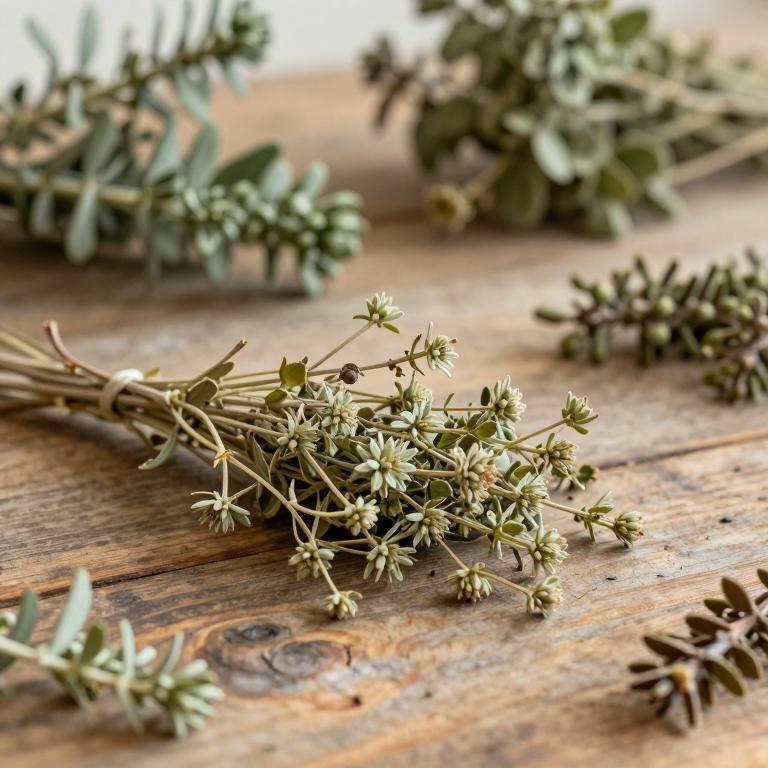
Thale cress, scientifically known as Arabidopsis thaliana, is a small flowering plant widely utilized as a premier model organism in biological research. Despite its simple structure, it provides invaluable insights into genetics, development, and plant physiology, serving as a fundamental cornerstone for understanding complex molecular processes across the plant kingdom.
Names and Synonyms
Common Names
- Thalius' cress
- mouse-ear cress
- thale cress
- wall cress
- common wall cress
- mouse-ear-cress
Scientific Names
Accepted name
Arabidopsis thalianaSynonyms
- Nasturtium thaliana
- Pilosella thaliana
- Stenophragma thalianum
- Sisymbrium pumilio
- Sisymbrium thalianum
- Conringia thaliana
- Erysimum thalianum
- Sisymbrium thalianum var. pusillum
- Stenophragma thalianum var. pusilla
- Hesperis thaliana
- Arabidopsis thaliana var. burnatii
- Arabis thaliana var. vulgaris
- Arabis pubicalyx
- Arabis pubicalyx var. soyensis
- Arabis parviflora
- Arabis zeyheriana
- Arabidopsis thaliana var. apetala
- Arabidopsis thaliana var. brachycarpa
- Erysimum pubicalyx
- Arabidopsis thaliana var. pusilla
- Arabis thaliana var. pubicalyx
- Crucifera thaliana
- Arabis ramosa
- Conringia thaliana var. arvicola
- Stenophragma thalianum var. burnatii
- Phryne gesneri
Regional and Traditional Names
Spanish:
- Sisymbrium thalianum
- Arabis thaliana
- Phryne gesneri
- Conringia thaliana
- Stenophragma thaliana
- Oruga
- Oruga
German:
- Acker-Schmalwand
- Schotenkresse
- Gänserauke
- Mausohrkresse
- Ackerschmalwand
- Schottenkresse
- Thurnkohl
- arabette de thalius
- Arabette des dames
- Fausse Arabette
- Acker-Schmalwand
- Schmalwand
- Schotenkresse
- Gänserauke
French:
- Arabette Des Dames
- Arabette de Thalius
- Arabette rameuse
- Arabidopsis de Thalius
- Fausse arabette
- arabette de Thalius
- arabette des dames
- fausse-arabette des dames
- Fausse arabette
Sources: Wikidata, Catalogue of Life
Taxonomical Classification
This plant belongs to the kingdom Plantae and the phylum Streptophyta, falling under the class Equisetopsida and subclass Magnoliidae. Within the order Brassicales and family Brassicaceae, it is classified under the genus Arabidopsis.
| Rank | Classification |
|---|---|
| Kingdom | Plantae |
| Phylum | Streptophyta |
| Class | Equisetopsida |
| Subclass | Magnoliidae |
| Order | Brassicales |
| Family | Brassicaceae |
| Genus | Arabidopsis |
Sources: The World Checklist of Vascular Plants (WCVP)
Distribution
This plant, Arabidopsis thaliana, is found across several distinct regions in Northern Europe. Specifically, its presence is documented within the borders of Denmark. It can also be located throughout the various landscapes of Finland. Furthermore, the species is widely distributed across Great Britain and Ireland. Finally, its geographical range extends into the territories of Norway.
| Region | Area |
|---|---|
| Northern Europe | Denmark |
| Northern Europe | Finland |
| Northern Europe | Great Britain |
| Northern Europe | Ireland |
| Northern Europe | Norway |
| Northern Europe | Sweden |
| Middle Europe | Austria |
| Middle Europe | Belgium |
| Middle Europe | Czechia-Slovakia |
| Middle Europe | Germany |
Sources: The World Checklist of Vascular Plants (WCVP)
Botanical Identification
Ecology
The ecology of Arabidopsis thaliana is characterized by its remarkable adaptability across diverse and often challenging landscapes. It thrives in a wide variety of habitats, ranging from disturbed environments such as crop fields and old fields to more rugged terrains including mountains, steppes, and stony places, and it even demonstrates tolerance for saline places. This environmental flexibility is reflected in its extensive altitudinal distribution; the species can be found at sea level, with a mean elevation of approximately 1500 m AMSL, and it reaches a maximum elevation of 2900 m AMSL.
- Elevational range max:
- 2900 m AMSL
- Elevational range mean:
- 1500 m AMSL
- Elevational range min:
- 0 m AMSL
- Habitat :
- crop fields, mountains, old fields, saline places, steppe, stony places
Life history
The life history of Arabidopsis thaliana is characterized by an annual lifecycle, meaning it completes its entire developmental process from germination to seed production within a single growing season. As a therophyte, the plant survives unfavorable environmental conditions by completing its life cycle rapidly and persisting primarily through the dispersal of seeds rather than through overwintering vegetative structures. While its vegetative components are transient, the species exhibits evergreen characteristics in its physiological state during its active growing period, maintaining metabolic activity throughout its short duration. This rapid progression through the developmental stages is a core component of its survival strategy, allowing it to thrive in diverse ecological niches by prioritizing swift reproduction.
- Deciduousness :
- evergreen
- Life form :
- therophyte
- Lifecycle :
- annual
Morphology
The morphology of Arabidopsis thaliana is characterized by its growth form as a non-woody herb and specifically a forb. It is a terrestrial plant that functions as an independent organism rather than a parasite or epiphyte. The plant exhibits a self-supporting climbing habit, meaning it does not require external structures for support, and its shoots maintain an erect orientation. In terms of stature, the plant is relatively small, with a height that varies from a minimum of 0.01 m to a maximum of 0.7 m, maintaining an average plant height of approximately 0.229 m.
- Aquatic :
- terrestrial
- Climber :
- self-supporting
- Epiphyte :
- terrestrial
- Growth form :
- herb
- Growth form :
- forb
- Parasite :
- independent
- Plant height max:
- 0.7 m
- Plant height mean:
- 0.229333333333333 m
- Plant height min:
- 0.01 m
- Shoot orientation :
- erect
- Woodiness :
- non-woody
Physiology
The physiology of Arabidopsis thaliana is characterized by a C3 photosynthetic pathway and a non-carnivorous nutritional strategy. Its leaf morphology is predominantly elliptic in form, with morphological dimensions exhibiting significant variability; the leaf length typically averages 1 cm, ranging from a minimum of 0.5 cm to a maximum of 5 cm, while the leaf width averages 0.7 cm, spanning from a minimum of 0.1 cm to a maximum of 1.5 cm. This results in a mean leaf size of 2.81 cm². Furthermore, the plant exhibits a mean Specific Leaf Area (SLA) of 329 cm²/g, reflecting its internal leaf structure and resource allocation strategies.
- Carnivory :
- non-carnivorous
- Leaf form :
- elliptic
- Leaf length max:
- 5 cm
- Leaf length mean:
- 1 cm
- Leaf length min:
- 0.5 cm
- Leaf size mean:
- 2.81 cm²
- Leaf width max:
- 1.5 cm
- Leaf width mean:
- 0.7 cm
- Leaf width min:
- 0.1 cm
- Photosynthetic pathway :
- C3
- Specific Leaf Area (SLA) mean:
- 329 cm²/g
Reproduction
Reproduction in Arabidopsis thaliana is characterized by a primarily sexual process, as the plant is bisexual and lacks asexual reproduction. The flowering period typically begins in April and concludes in June. During this stage, the plant produces white flowers that measure between 0.2 cm and 0.3 cm in length. Pollination is a biotic process mediated by insects, facilitating the reproductive cycle. Once fertilized, the plant develops dry, capsule-type fruits. These fruits exhibit significant morphological variation, with a mean length of 1.25 cm (ranging from 0.5 cm to 2 cm) and a mean width of 0.1 cm (ranging from 0.05 cm to 0.1 cm). Self-fertilization is present within the species, ensuring reproductive success. Each fruit is highly prolific, containing between 101 and 1000 seeds. The seeds are minute, with a mean length of 0.5 mm, a mean volume of 0.016 mm³, and a mean mass of approximately 3.126e-05 g (ranging from 1e-05 g to 1e-04 g). Following maturation, the seeds are dispersed via an anemochorous syndrome, utilizing wind to distribute the next generation.
- Dispersal syndrome :
- anemochorous
- Flower colour :
- white
- Flower length max:
- 0.3 cm
- Flower length min:
- 0.2 cm
- Flowering time :
- Apr
- Flowering time :
- Jun
- Fruit dryness :
- dry
- Fruit length max:
- 2 cm
- Fruit length mean:
- 1.25 cm
- Fruit length min:
- 0.5 cm
- Fruit type :
- capsule
- Fruit width max:
- 0.1 cm
- Fruit width min:
- 0.05 cm
- Pollination syndrome :
- insect
- Pollination syndrome :
- biotic
- Reproduction asexual :
- absent
- Reproduction sexual :
- bisexual
- Seed length mean:
- 0.5 mm
- Seed mass max:
- 1e-04 g
- Seed mass mean:
- 3.126e-05 g
- Seed mass min:
- 1e-05 g
- Seed volume max:
- 0.016 mm³
- Seeds_per_fruit :
- 101-1000
- Self fertilization :
- present
Sources: Global Inventory of Floras and Traits (GIFT)
Chemicals
Arabidopsis thaliana has 204 reported phytochemicals identified across 0 scientific publications and several other databases. The most consistently reported chemicals include auxin, ABSCISIC ACID, Flavonoids, salicylic acid, sucrose.
| Chemical | Supporting sources | Consensus |
|---|---|---|
| auxin | 10 supporting sources | ★★★★★ |
| ABSCISIC ACID | 9 supporting sources | ★★★★☆ |
| Flavonoids | 8 supporting sources | ★★★★☆ |
| salicylic acid | 7 supporting sources | ★★★★☆ |
| sucrose | 6 supporting sources | ★★★☆☆ |
| ABA | 5 supporting sources | ★★★☆☆ |
| ANTHOCYANIN | 5 supporting sources | ★★★☆☆ |
| ETHYLENE | 5 supporting sources | ★★★☆☆ |
| glucose | 5 supporting sources | ★★★☆☆ |
| Cytokinin | 4 supporting sources | ★★☆☆☆ |
auxin
- Plant science : an international journal of experimental plant biology
- Ecotoxicology and environmental safety
- Trends in plant science
- Plant & cell physiology
- Journal of hazardous materials
View 5 additional sources
- Chemical communications (Cambridge, England)
- Frontiers in plant science
- The New phytologist
- Plant physiology
- Journal of plant physiology
ABSCISIC ACID
- Pflugers Archiv : European journal of physiology
- International journal of molecular sciences
- Journal of integrative plant biology
- Plant physiology
- Plant, cell & environment
View 4 additional sources
- Plant physiology and biochemistry : PPB
- Molecular plant
- Plant signaling & behavior
- Frontiers in plant science
Flavonoids
- Molecules (Basel, Switzerland)
- BMC research notes
- Scientific reports
- Transgenic research
- Protoplasma
View 3 additional sources
- Nature plants
- Current opinion in plant biology
- Physiologia plantarum
salicylic acid
- The Plant journal : for cell and molecular biology
- PloS one
- The New phytologist
- Molecular plant pathology
- Plant physiology
View 2 additional sources
- International journal of molecular sciences
- Nature
sucrose
- Plant science : an international journal of experimental plant biology
- Frontiers in plant science
- PLoS genetics
- Cell reports
- Journal of agricultural and food chemistry
View 1 additional sources
- Plant physiology
ABA
- Plant science : an international journal of experimental plant biology
- Biochemical and biophysical research communications
- International journal of molecular sciences
- Molecular plant
- Frontiers in plant science
ANTHOCYANIN
- Planta
- Frontiers in plant science
- Plants (Basel, Switzerland)
- Journal of experimental botany
- Journal of integrative plant biology
ETHYLENE
- Plant physiology
- Plant, cell & environment
- Biochemical and biophysical research communications
- International journal of molecular sciences
- The Plant cell
glucose
- Frontiers in plant science
- PLoS genetics
- Cell reports
- Journal of agricultural and food chemistry
- Plant physiology
Cytokinin
- Molecular plant
- Plant physiology
- Plant & cell physiology
- Plant, cell & environment
Activities
Arabidopsis thaliana has 2 reported activities identified across 0 scientific publications and several other databases. The most consistently reported activities include Antifungal, Antioxidant.
| Activity | Supporting sources | Consensus |
|---|---|---|
| Antifungal | 1 supporting sources | ★☆☆☆☆ |
| Antioxidant | 1 supporting sources | ★☆☆☆☆ |
Antifungal
- Biochemical and biophysical research communications
Antioxidant
- Plant, cell & environment
Conditions
Arabidopsis thaliana has 31 reported investigations on conditions identified across 0 scientific publications and several other databases. The most consistently reported conditions include salt stress, drought, drought tolerance, oxidative stress, abiotic stresses.
| Condition | Supporting sources | Consensus |
|---|---|---|
| Salt stress | 8 supporting sources | ★★★★☆ |
| Drought | 6 supporting sources | ★★★☆☆ |
| Drought tolerance | 6 supporting sources | ★★★☆☆ |
| Oxidative stress | 4 supporting sources | ★★☆☆☆ |
| Abiotic stresses | 3 supporting sources | ★★☆☆☆ |
| Heat stress | 3 supporting sources | ★★☆☆☆ |
| Osmotic stress | 3 supporting sources | ★★☆☆☆ |
| Salt | 3 supporting sources | ★★☆☆☆ |
| Dna damage | 2 supporting sources | ★☆☆☆☆ |
| Diseases | 2 supporting sources | ★☆☆☆☆ |
Salt stress
- Plant physiology
- Journal of plant physiology
- Microbiological research
- Frontiers in plant science
- BMC plant biology
View 3 additional sources
- Plant science : an international journal of experimental plant biology
- Plant physiology and biochemistry : PPB
- Plants (Basel, Switzerland)
Drought
- Plants (Basel, Switzerland)
- International journal of molecular sciences
- Microbiological research
- Gene
- Journal of agricultural and food chemistry
View 1 additional sources
- Plant physiology and biochemistry : PPB
Drought tolerance
- Plant cell reports
- Frontiers in plant science
- Biochemical and biophysical research communications
- Plant biotechnology journal
- Journal of integrative plant biology
View 1 additional sources
- Plant, cell & environment
Oxidative stress
- Plant physiology
- Journal of hazardous materials
- Plant biotechnology journal
- Plant, cell & environment
Abiotic stresses
- Bioinformatics and biology insights
- Plants (Basel, Switzerland)
- Physiologia plantarum
Heat stress
- Ecotoxicology and environmental safety
- Plant physiology and biochemistry : PPB
- Plants (Basel, Switzerland)
Osmotic stress
- Journal of integrative plant biology
- The Plant journal : for cell and molecular biology
- Plants (Basel, Switzerland)
Salt
- Microbiological research
- Plants (Basel, Switzerland)
- Gene
Dna damage
- Molecular plant
- Journal of biomolecular structure & dynamics
Diseases
- Journal of plant physiology
- Plant disease