Aquilegia coerulea
Aquilegia coerulea · Accepted scientific name
Scientific literature: Very Sparse (0 studies) · ★☆☆☆☆
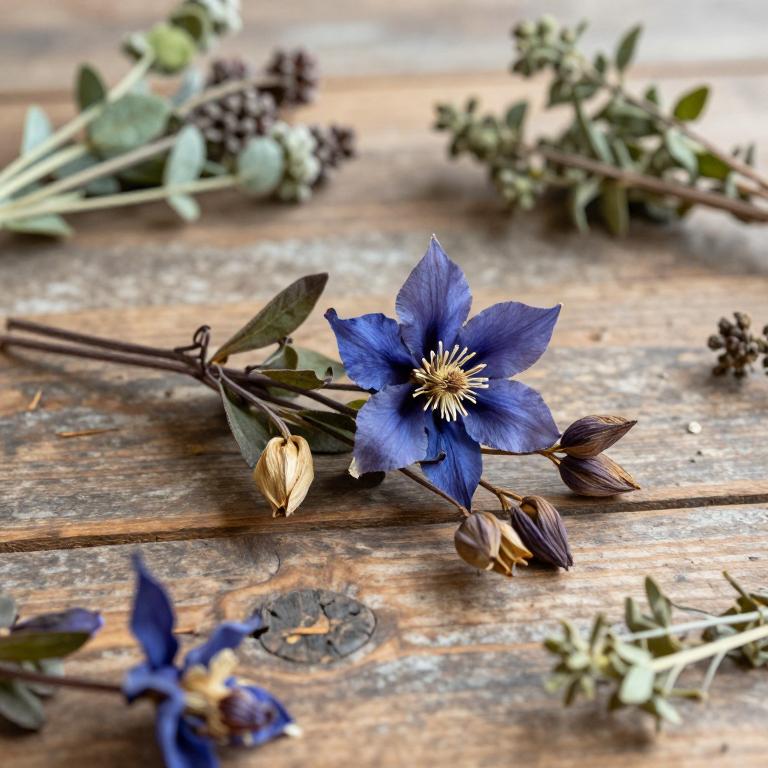
Aquilegia coerulea, commonly known as the Colorado blue columbine, is a striking perennial native to the rocky slopes of the Rocky Mountains. This elegant wildflower is easily identified by its unique, spurred blue petals that attract various pollinators to its blooms. Beyond its aesthetic appeal, the plant is of significant pharmacological interest due to its complex chemical profile. Specifically, it contains various benzylisoquinoline alkaloids (BIA) which have been studied for their potential biological activities. Understanding these chemical properties provides valuable insight into the botanical significance of this high-altitude species.
- Synonyms
- Aquilegia Canadensis Subsp. Coerulea
- Common names
- Not available
- Family
- Ranunculaceae
- Distribution
- Southern America
- Plant Parts
- Not available
Classification
Common Names
Aquilegia coerulea is a stunning wildflower known by several distinct common names across different languages and regions. In English-speaking areas, it is most frequently referred to as the Colorado blue columbine or simply the Colorado columbine. Those searching for it in Dutch-speaking regions might recognize it as the Blauwe akelei. Its international appeal is further reflected in names like the Mavi akvilegiya used in certain contexts. Additionally, it is known as the Orlik niebieski, highlighting its diverse linguistic identity.
Sources: Catalogue of Life (COL)
Synonyms
Aquilegia coerulea is a striking wildflower that holds a significant place in botanical classification. Within scientific literature, this species is frequently identified by its synonym, Aquilegia canadensis subsp. coerulea. This taxonomic relationship highlights the complex evolutionary links between different varieties of columbine. Understanding these naming nuances is essential for researchers seeking to accurately document plant biodiversity. Consequently, recognizing both terms ensures clarity when discussing the specific characteristics of this beautiful plant.
Sources: The World Checklist of Vascular Plants (WCVP)
Taxonomy
Aquilegia coerulea is a fascinating botanical specimen that belongs to the vast kingdom Plantae. Within this kingdom, the plant is classified under the class Equisetopsida. It further falls into the order Ranunculales, showcasing its specific evolutionary lineage. As a member of the Ranunculaceae family, it shares characteristics with many other diverse flowering species. Ultimately, its identity is defined by its placement within the genus Aquilegia.
| Rank | Classification |
|---|---|
| Kingdom | Plantae |
| Phylum | Streptophyta |
| Class | Equisetopsida |
| Subclass | Magnoliidae |
| Order | Ranunculales |
| Family | Ranunculaceae |
| Genus | Aquilegia |
Sources: The World Checklist of Vascular Plants (WCVP)
Distribution
Geographic Regions
Aquilegia coerulea is a resilient species primarily distributed throughout the diverse landscapes of Northern America. Its presence is most notable across the Northwestern United States, where it thrives in the rugged terrains of Idaho, Montana, and Wyoming. This plant also maintains a significant footprint in Colorado, adding to its regional prominence. Beyond the northwest, its range extends into the South-Central United States, specifically within the state of New Mexico. Together, these locations highlight the plant's ability to adapt to various mountain and continental environments.
Sources: The World Checklist of Vascular Plants (WCVP)
Identification
Morphology
Aquilegia coerulea is characterized by its growth form as a delicate herb. This species is entirely self-supporting, allowing it to stand upright within its natural habitat.
Sources: Global Inventory of Floras and Traits (GIFT)
Biological Activities
Compounds
Aquilegia coerulea is recognized as a specialized plant species capable of producing benzylisoquinoline alkaloids (BIAs). Research into the genomic characteristics of BIA-producing plants highlights the unique evolutionary traits found in this species. Comparative analyses demonstrate that Aquilegia coerulea shares specific genetic distributions with other notable producers like Papaver somniferum. These analyses suggest that many genes encoding biosynthetic enzymes, transcription factors, and transporters are specifically concentrated within these plants. Understanding these relationships provides critical insight into the complex pathways responsible for BIA biosynthesis.