Anthemis
Anthemis · Accepted scientific name
Scientific literature: Very Sparse (0 studies) · ★☆☆☆☆
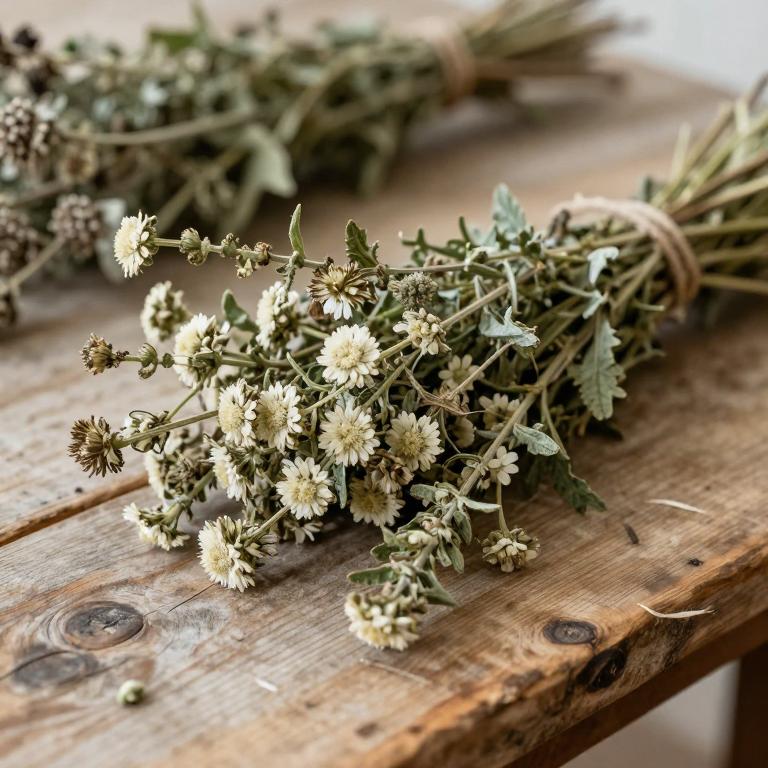
Anthemis is a diverse genus of flowering plants that belongs to the Asteraceae family. These plants are most easily recognized by their delicate, daisy-like flowers that often feature white ray florets surrounding a yellow central disc. Many species within this group are native to the Mediterranean region and thrive in sunny, open habitats. Beyond their aesthetic charm, certain varieties are valued in traditional herbalism for their aromatic properties. Understanding the unique structure of the Anthemis flower provides a gateway into the fascinating world of wild chamomile relatives.
- Synonyms
- Ammanthus · Lyonnetia · 1 more
- Common names
- Not available
- Family
- Asteraceae
- Distribution
- Southern America
- Plant Parts
- Flower
Classification
Common Names
Anthemis is a versatile plant known by a wide variety of regional and traditional names. It is frequently referred to as Antemide or Beybûn depending on the local dialect. Many people also recognize this botanical species by the common name Chamomiles. In certain areas, it might be called Bobramunis or even Gåseurt. These diverse monikers reflect the deep cultural connections people have with this single genus.
Sources: Catalogue of Life (COL)
Synonyms
Anthemis is a botanical genus that has historically been subject to various taxonomic reclassifications. Throughout scientific literature, researchers have frequently used the synonym Ammanthus to refer to certain species within this group. Similarly, the name Lyonnetia has appeared in older texts as an alternative designation for members of the genus. Some botanical records also identify these plants under the synonym Maruta, reflecting different historical perspectives on their classification. Understanding these overlapping names is essential for accurately tracking the lineage and identity of Anthemis in academic studies.
Sources: The World Checklist of Vascular Plants (WCVP)
Taxonomy
Anthemis is a diverse botanical entity that belongs to the expansive kingdom Plantae. Within this vast realm, it is classified under the class Equisetopsida. Its specific lineage is further defined by its placement in the order Asterales. Moving down the taxonomic hierarchy, the plant is a member of the prominent family Asteraceae. Ultimately, this species is characterized by its identity within the genus Anthemis.
| Rank | Classification |
|---|---|
| Kingdom | Plantae |
| Phylum | Streptophyta |
| Class | Equisetopsida |
| Subclass | Magnoliidae |
| Order | Asterales |
| Family | Asteraceae |
| Genus | Anthemis |
Sources: The World Checklist of Vascular Plants (WCVP)
Distribution
Geographic Regions
Anthemis exhibits a diverse geographical presence across several distinct regions of the African continent. Within East Tropical Africa, the genus can be found spanning across Kenya, Tanzania, and Uganda. Its reach also extends westward into the Macaronesia islands, establishing a foothold in the Azores. Furthermore, the plant is well-represented within the Canary Islands. This varied distribution highlights the adaptability of Anthemis across both mainland and island ecosystems.
Sources: The World Checklist of Vascular Plants (WCVP)
Identification
Biological Activities
Compounds
Conditions
Preparations
Parts used
Anthemis pseudocotula Boiss. serves as a significant host for various endophytic microorganisms that hold great pharmaceutical potential. During recent scientific investigations, researchers collected diverse samples from the plant, specifically focusing on the roots, leaves, stems, and flowers. The study highlighted that the flower is a key part of the Anthemis plant where numerous bacteria can be isolated. From these floral samples, scientists successfully identified various strains of Actinomycetota that exhibit notable antibacterial properties. Ultimately, the presence of these active microbes within the flower underscores the plant's value in the bioprospecting of new medicinal compounds.