Anthemis mirheydari
Anthemis mirheydari · Accepted scientific name
Scientific literature: Very Sparse (3 studies) · ★☆☆☆☆
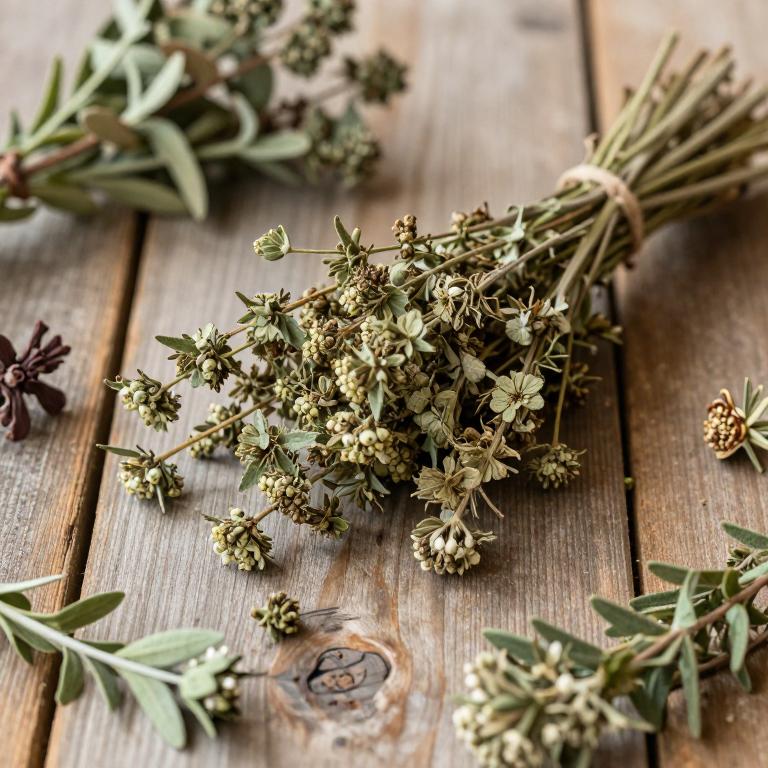
, scientifically known as Anthemis mirheydari, is a rare medicinal herb belonging to the Asteraceae family. Found primarily in specific mountainous regions, this plant is valued for its unique phytochemical properties. It holds significant potential in traditional medicine, offering promising therapeutic applications for various health conditions through its bioactive compounds.
- Family
- Asteraceae
- Native range
- Asia-Temperate
- Parts used
- Not available
- Common names
- Not available
- Scientific synonyms
- Not available
Names and Synonyms
Scientific Names
Accepted name
Anthemis mirheydariSources: Wikidata
Taxonomical Classification
This plant belongs to the kingdom Plantae and is classified under the phylum Streptophyta within the class Equisetopsida. As a member of the subclass Magnoliidae and order Asterales, it is specifically situated in the family Asteraceae. It is further categorized under the genus Anthemis, where it is known by the scientific name Anthemis mirheydari.
| Rank | Classification |
|---|---|
| Kingdom | Plantae |
| Phylum | Streptophyta |
| Class | Equisetopsida |
| Subclass | Magnoliidae |
| Order | Asterales |
| Family | Asteraceae |
| Genus | Anthemis |
Sources: The World Checklist of Vascular Plants (WCVP)
Distribution
This plant is primarily found within the specific geographic region of Western Asia. Its natural habitat is concentrated within the borders of Iran. Because of this localized presence, the species is considered endemic to this particular area. The distribution pattern suggests that the environmental conditions of Iran are ideal for its growth. Therefore, researchers focusing on this species must look toward the Iranian landscape to study its wild populations.
| Region | Area |
|---|---|
| Western Asia | Iran |
Sources: The World Checklist of Vascular Plants (WCVP)
Chemicals
Anthemis mirheydari has 2 reported phytochemicals identified across 0 scientific publications and several other databases. The most consistently reported chemicals include 7-Methoxycoumarin, Pseudotaraxasterol.
| Chemical | Supporting sources | Consensus |
|---|---|---|
| 7-Methoxycoumarin | 1 supporting sources | ★☆☆☆☆ |
| Pseudotaraxasterol | 1 supporting sources | ★☆☆☆☆ |
7-Methoxycoumarin
- Pharmaceutical biology
Pseudotaraxasterol
- Pharmaceutical biology
Preparations
Anthemis mirheydari has 1 reported preparations identified across 0 scientific publications and several other databases. The most consistently reported preparations include dichloromethane and methanol extracts.
| Preparation | Supporting sources | Consensus |
|---|---|---|
| Dichloromethane and methanol extracts | 1 supporting sources | ★☆☆☆☆ |
Dichloromethane and methanol extracts
- Pharmaceutical biology