Annona nutans
Annona nutans · Accepted scientific name
Scientific literature: Very Sparse (0 studies) · ★☆☆☆☆
Annona nutans is a unique botanical species known for its distinctive physiological characteristics. Within its foliage, the plant produces significant amounts of beneficial flavonoid compounds. These bioactive chemicals are often concentrated in the leaf, making them a valuable subject for study. Many practitioners prepare traditional teas using these leaves to harness their natural properties. This combination of chemical richness and practical application makes the plant a subject of great interest.
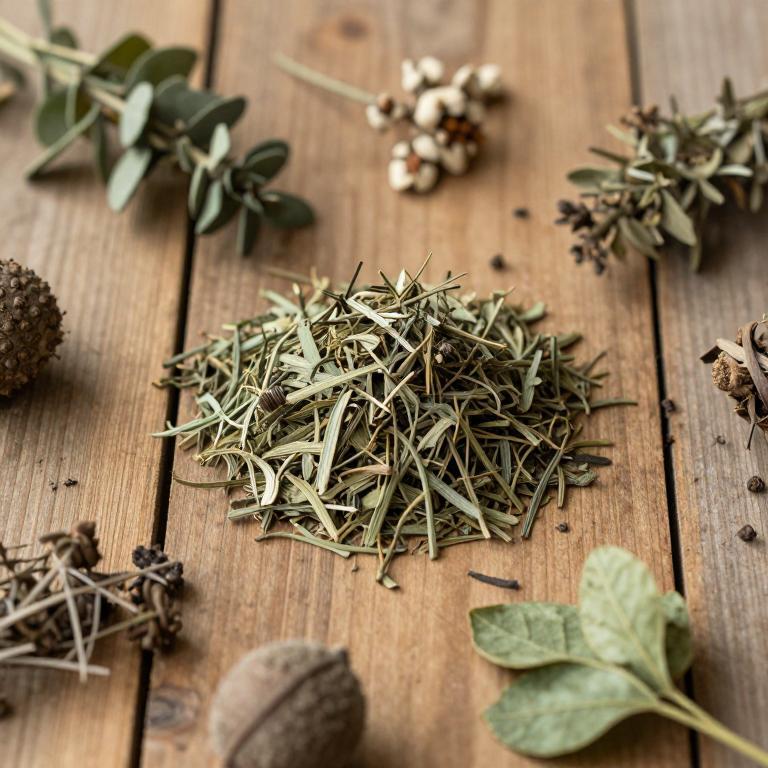
- Synonyms
- Annona Nanofruticosa · Annona Spinescens Var. Nutans
- Common names
- Not available
- Family
- Annonaceae
- Distribution
- Not available
- Plant Parts
- Leaf
Classification
Common Names
Annona nutans is a fascinating botanical species known by several distinct regional names. In certain areas, it is commonly referred to as Aratico, while others recognize it as Araticum-do-pantanal. It is also frequently called chirimoya de campo, highlighting its relationship to other similar fruit-bearing plants. Furthermore, the name sinini de la pampa is used to identify this specimen in specific local contexts. These various monikers reflect the diverse cultural and geographical ways this plant is perceived across different landscapes.
Sources: Catalogue of Life (COL)
Synonyms
Annona nutans is a botanical species that is frequently identified by several different scientific names. Within taxonomic literature, it is recognized by the synonym Annona nanofruticosa. Furthermore, the plant is also classified under the name Annona spinescens var. nutans. These overlapping designations reflect the complex historical efforts to categorize its specific characteristics. Understanding these relationships is essential for researchers seeking to maintain consistency in botanical studies.
Sources: The World Checklist of Vascular Plants (WCVP)
Taxonomy
Annona nutans belongs to the vast kingdom Plantae, representing a diverse lineage of living organisms. Within this kingdom, it is classified under the class Equisetopsida, marking its place among the flowering plants. The species is further nested within the order Magnoliales, a group known for its ancient evolutionary history. It finds its specific botanical home in the family Annonaceae, which showcases unique morphological characteristics. Ultimately, this plant is a distinct member of the genus Annona, connecting it to a well-known group of tropical species.
| Rank | Classification |
|---|---|
| Kingdom | Plantae |
| Phylum | Streptophyta |
| Class | Equisetopsida |
| Subclass | Magnoliidae |
| Order | Magnoliales |
| Family | Annonaceae |
| Genus | Annona |
Sources: The World Checklist of Vascular Plants (WCVP)
Distribution
Geographic Regions
Annona nutans is widely distributed across various regions of Southern America, showcasing a broad geographical range. In Brazil, the species can be found spanning both the southeast and west-central territories. Its presence extends further south into Argentina, where it inhabits both the northeast and northwest regions. Additionally, the plant is established within the landscapes of Paraguay. This widespread occurrence highlights the adaptability of the species throughout the southern portion of the continent.
Sources: The World Checklist of Vascular Plants (WCVP)
Identification
Morphology
Annona nutans typically adopts a shrub-like growth form as it develops. This self-supporting plant is characterized by its sturdy structure and ability to stand independently. Ultimately, it reaches a maximum height of approximately 4 meters.
Sources: Global Inventory of Floras and Traits (GIFT)
Biological Activities
Compounds
Annona nutans is a plant frequently utilized in folk medicine due to its diverse array of biologically active compounds. Research into its hydromethanolic fraction has revealed that the plant contains flavonoid and other phenolic derivatives. These chemical constituents contribute to the complex pharmacological profile of the species. While many medicinal plants require strict scrutiny during pregnancy, studies on this specific fraction indicate no mutagenic or immunomodulatory activity. Ultimately, the presence of these compounds does not result in embryo-fetal toxicity, suggesting the extract is safe for gestational use.
Conditions
Annona nutans hydromethanolic fraction was evaluated specifically to determine its impact on embryo-fetal toxicity, mutagenic activity, and immunomodulatory activity. Contrary to the initial concerns regarding these relationships, the study found that the plant does not cause embryo-fetal toxicity. Furthermore, the research demonstrated that the plant does not exhibit any mutagenic activity. It also showed no evidence of immunomodulatory activity in the tested subjects. Ultimately, these findings confirm that the plant's specific effects do not trigger the negative biological responses mentioned.
Preparations
Annona nutans is frequently prepared as teas for use in folk medicine. This common method of consumption is often practiced indiscriminately by pregnant women. Because these plant infusions are used as teas, researchers have investigated their potential impact on embryo-fetal development. The study specifically analyzed a hydromethanolic fraction of the leaves derived from these medicinal teas. Ultimately, the findings suggest that using the plant in this form does not cause mutagenic or toxic effects during gestation.
Parts used
Annona nutans is a plant frequently utilized in folk medicine for its diverse pharmacological properties. Research has specifically focused on the hydromethanolic fraction derived from the leaf of this species. Scientists conducted studies to determine if these leaf extracts pose any mutagenic or teratogenic risks to developing embryos. The findings revealed that the leaf fraction contains beneficial flavonoids and phenolic derivatives without causing toxicity. Ultimately, the study concludes that using the leaf extract is safe for pregnant subjects under the tested conditions.