Annona acutiflora
Annona acutiflora · Accepted scientific name
Scientific literature: Very Sparse (1 studies) · ★☆☆☆☆
, scientifically known as Annona acuifora, is a significant medicinal plant valued for its diverse therapeutic properties. Belonging to the Annonaceae family, it is widely utilized in traditional medicine to treat various ailments. Its bioactive compounds offer potential antioxidant and antimicrobial benefits, making it a subject of pharmacological interest.
- Family
- Not available
- Native range
- Southern America
- Parts used
- Leaf
- Common names
- Not available
- Scientific synonyms
- Not available
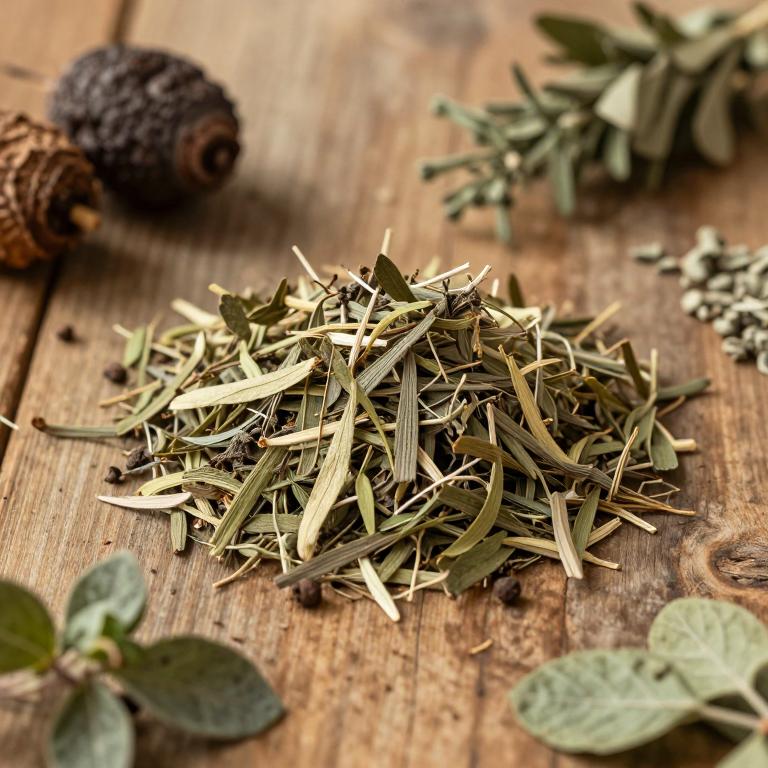
Names and Synonyms
Scientific Names
Accepted name
Annona acutifloraDistribution
This plant is primarily found within the diverse landscapes of Brazil. Its natural range specifically includes the vast territories of the Northeast region. Additionally, the species can be located throughout the Southeast part of the country. These two distinct areas represent the core of its geographical distribution. Consequently, its presence is concentrated in these specific Brazilian territories.
| Region | Area |
|---|---|
| Brazil | Brazil Northeast |
| Brazil | Brazil Southeast |
Sources: The World Checklist of Vascular Plants (WCVP)
Botanical Identification
Ecology
The ecology of Annona acutiflora is characterized by its occurrence in high-moisture environments, specifically within the Floresta Ombrófila (Rainforest) and Restinga ecosystems. In these habitats, the species thrives under conditions of high humidity and consistent precipitation, which are typical of tropical rainforest biomes. Within the Restinga, it adapts to the unique coastal sandy soils and specialized vegetation structures, playing a role in the complex biological interactions of these nutrient-limited but ecologically diverse sandy coastal forests. Its distribution is closely tied to the availability of moisture and the specific microclimates provided by these dense, humid forest formations.
- Habitat :
- Floresta Ombrófila (= Floresta Pluvial), Restinga
Morphology
The morphology of Annona acuifolia is characterized by its growth form as a woody tree, reaching a maximum plant height of approximately 6 m. It functions as an independent organism, lacking any parasitic tendencies, and maintains a terrestrial habit rather than being aquatic, semiaquatic, or epiphytic. Unlike climbing species such as lianas or vines, this plant is strictly self-supporting and does not exhibit obligatory or facultative climbing behaviors. Its structural development is defined by a robust, woody composition that supports its upright, arboreal stature in terrestrial environments.
- Aquatic :
- terrestrial
- Climber :
- self-supporting
- Epiphyte :
- terrestrial
- Growth form :
- tree
- Parasite :
- independent
- Plant height max:
- 6 m
- Woodiness :
- woody
Sources: Global Inventory of Floras and Traits (GIFT)
Plant Parts
Annona acutiflora has 1 reported plant parts identified across 1 scientific publications and several other databases that are studied for medicinal purposes. The most consistently reported plant part include leaf.
| Plant part | Supporting sources | Consensus |
|---|---|---|
| Leaf | 1 supporting sources | ★☆☆☆☆ |
Leaf
- Chemistry & biodiversity
Preparations
Annona acutiflora has 1 reported preparations identified across 1 scientific publications and several other databases. The most consistently reported preparations include leaves.
| Preparation | Supporting sources | Consensus |
|---|---|---|
| Leaves | 1 supporting sources | ★☆☆☆☆ |
Leaves
- Chemistry & biodiversity