Anisotaenia trifida
Anisotaenia trifida · Accepted scientific name
Scientific literature: Very Sparse (3 studies) · ★☆☆☆☆
Anisotaenia trifida is a botanical species that has garnered scientific interest due to its diverse range of biological activities. Research has demonstrated that various parts of the plant, including the fruit, leaves, and roots, possess significant antimicrobial, antioxidant, and cytotoxic properties. These therapeutic effects are often studied through different preparations, such as methanol extracts, chloroform extracts, and essential oils. Chemical analyses of the plant have identified key bioactive compounds, specifically 6-hydroxymethylherniarin, oxypeucedanin, and prantschimgin. Ultimately, the plant shows great potential in antioxidant applications, driven by its unique phytochemical profile.
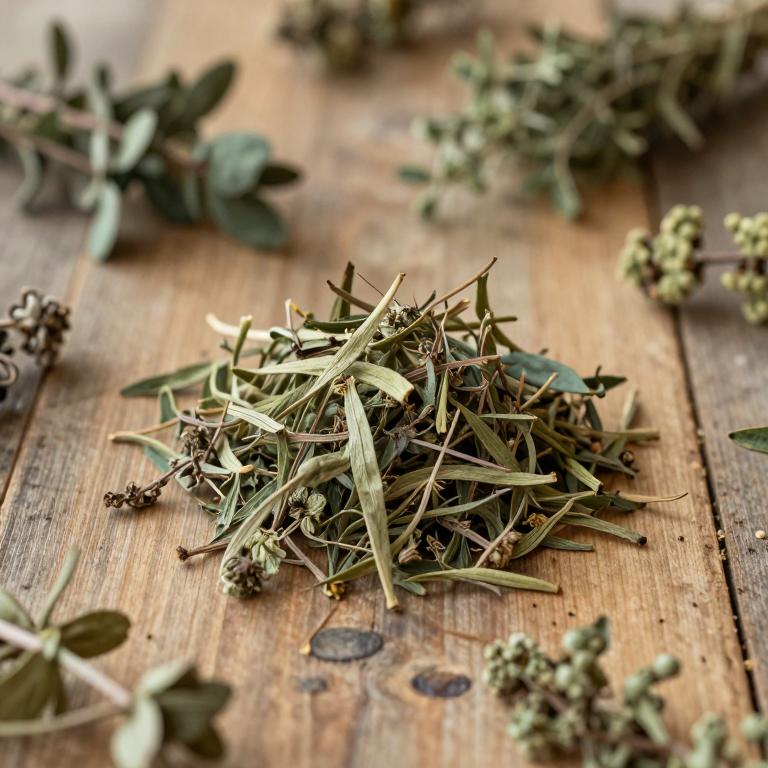
- Synonyms
- Ferulago Trifida
- Common names
- Not available
- Family
- Apiaceae
- Distribution
- Not available
- Plant Parts
- Fruit · Leaf
Classification
Synonyms
Anisotaenia trifida is a botanical species that is frequently identified in scientific literature by its synonym, Ferulago trifida. This nomenclatural overlap can sometimes lead to confusion for researchers navigating taxonomic databases. Understanding that these two names refer to the exact same plant is essential for accurate botanical classification. By recognizing this relationship, botanists can more effectively track the distribution and study of the species. Consequently, reconciling these synonymous terms ensures greater consistency across various biological studies.
Sources: The World Checklist of Vascular Plants (WCVP)
Taxonomy
Anisotaenia trifida is a member of the diverse kingdom Plantae. Within this vast biological realm, the species is classified under the class Equisetopsida. It belongs to the specific genus Anisotaenia, which helps researchers pinpoint its unique characteristics. Further taxonomic refinement places it within the order Apiales. Finally, this plant is a distinguished member of the Apiaceae family.
| Rank | Classification |
|---|---|
| Kingdom | Plantae |
| Phylum | Streptophyta |
| Class | Equisetopsida |
| Subclass | Magnoliidae |
| Order | Apiales |
| Family | Apiaceae |
| Genus | Anisotaenia |
Sources: The World Checklist of Vascular Plants (WCVP)
Distribution
Geographic Regions
Anisotaenia trifida is a unique plant species primarily found within the Asia-temperate regions. Its geographical presence is most notably concentrated across Western Asia, where it thrives in specific ecological niches. Within these territories, Iran serves as a key area for its natural distribution. Understanding these spatial patterns provides essential insight into the environmental requirements of the species. Consequently, mapping such habitats is vital for studying the botanical diversity of the region.
Sources: The World Checklist of Vascular Plants (WCVP)
Identification
Biological Activities
Anisotaenia trifida, also known as Ferulago trifida, exhibits a diverse range of significant biological activities. Research into its essential oils reveals that the plant possesses strong antimicrobial properties against various specimens. Additionally, the plant demonstrates moderate antioxidant activity, as measured through DPPH testing. The essential oil also shows notable cytotoxic effects, particularly when tested against MCF-7, A-549, and HT-29 cancerous cell lines. These combined findings highlight the plant's potential for various pharmacological applications.
Compounds
Anisotaenia trifida, also identified in scientific literature as Ferulago trifida, possesses a diverse profile of bioactive chemical constituents. Chemical analyses of its aerial parts have revealed the presence of isobutyl acetate as a significant component of its essential oil. Furthermore, the plant contains specific isolated coumarin compounds, including prantschimgin and oxypeucedanin. Research also confirms that the species contains 6-hydroxymethylherniarin, which contributes to its overall chemical complexity. These various compounds underpin the plant's documented antioxidant and insecticidal properties.
Conditions
Anisotaenia trifida, also referred to as Ferulago trifida, exhibits significant biological activity against several targets including the A-549 cancer cell line. The plant's essential oils demonstrate the ability to act as an AChE inhibitor and provide antioxidant benefits through radical scavenging. Research indicates that its extracts possess strong antimicrobial properties, effectively managing various specimens. Additionally, the plant shows potent larvicidal activity against the malaria vector Anopheles stephensi. These combined therapeutic and insecticidal effects highlight the diverse bioactivity found within the different parts of the plant.
Preparations
Anisotaenia trifida is prepared as a chloroform extract from various plant parts including the leaves and fruits to evaluate its larvicidal effectiveness. The plant is also prepared as a methanol extract, which has demonstrated potent insecticidal properties and strong antioxidant activities. Furthermore, Anisotaenia trifida is prepared as an essential oil through steam distillation for analysis of its volatile compounds. This essential oil is derived from the aerial parts and various other components such as the stems, roots, and flowers. These different preparation methods allow for the investigation of the plant's diverse antimicrobial, antioxidant, and toxicological properties.
Parts used
Anisotaenia trifida, also referred to in research as Ferulago trifida, is a plant within the Apiaceae family that possesses several biologically active parts. Scientific investigations have focused on evaluating the medicinal potential of its fruits, leaves, and roots through various chemical extracts. The methanol extract of the fruits has demonstrated particularly potent insecticidal properties against the malaria vector Anopheles stephensi. Additionally, the leaves and fruits have shown significant antioxidant activities, highlighting the diverse chemical profiles found within the plant. By utilizing these different components, researchers aim to develop eco-friendly bio-insecticides for green pest control programs.