Anisotaenia contracta
Anisotaenia contracta · Accepted scientific name
Scientific literature: Very Sparse (0 studies) · ★☆☆☆☆
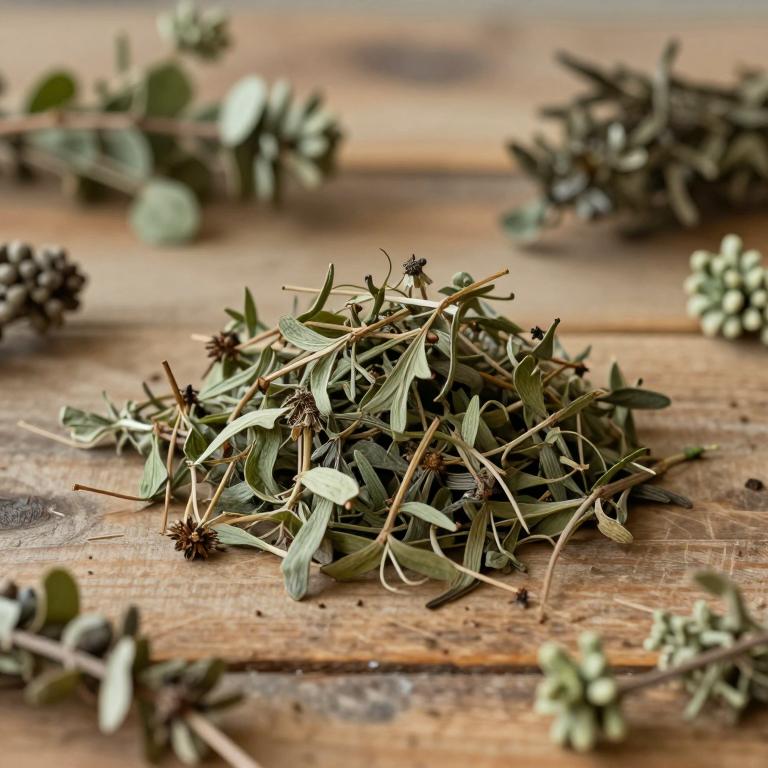
Anisotaenia contracta is a distinctive botanical species characterized by its unique structural features. While the entire plant possesses various morphological traits, its seed serves as a critical component for reproduction and dispersal. Understanding the development of these seeds is essential for studying the plant's life cycle and ecological role. Researchers often examine the specific characteristics of the seed to identify and classify the species accurately. Consequently, this plant remains a subject of interest for those studying specialized seed morphology in the field.
- Synonyms
- Ferulago Contracta
- Common names
- Not available
- Family
- Apiaceae
- Distribution
- Not available
- Plant Parts
- Seed
Classification
Synonyms
Anisotaenia contracta is a botanical species that is frequently discussed in taxonomic literature. Within scientific databases, this plant is also identified by its synonym, Ferulago contracta. Understanding these overlapping names is essential for researchers tracking the plant's evolutionary history. While the nomenclature may seem complex, these terms refer to the exact same biological entity. Recognizing both designations ensures accuracy when studying its specific ecological niche.
Sources: The World Checklist of Vascular Plants (WCVP)
Taxonomy
Anisotaenia contracta is a unique member of the kingdom Plantae that belongs to the diverse class Equisetopsida. This specific species is classified within the genus Anisotaenia, distinguishing it from other similar organisms. It further falls under the order Apiales, which helps scientists understand its evolutionary lineage. Within this order, the plant is a part of the Apiaceae family, a group known for its distinct botanical characteristics. Through these hierarchical relationships, the biological identity of Anisotaenia contracta is clearly established.
| Rank | Classification |
|---|---|
| Kingdom | Plantae |
| Phylum | Streptophyta |
| Class | Equisetopsida |
| Subclass | Magnoliidae |
| Order | Apiales |
| Family | Apiaceae |
| Genus | Anisotaenia |
Sources: The World Checklist of Vascular Plants (WCVP)
Distribution
Geographic Regions
Anisotaenia contracta is a specialized species primarily found within the temperate regions of Asia. Its geographic range is relatively focused, stretching across various landscapes to include Western Asia. Within these territories, the plant maintains a notable presence in the country of Iran. This specific distribution pattern highlights its adaptation to the unique environmental conditions of these mid-latitude zones. Understanding such localized habitats is essential for studying the broader ecological role of this organism.
Sources: The World Checklist of Vascular Plants (WCVP)
Identification
Biological Activities
Compounds
Conditions
Anisotaenia contracta is not mentioned in the provided abstract, which instead focuses on the antimicrobial screening of various Iranian medicinal plants. The study specifically identifies Ferulago contracta seeds as one of the four successful candidates for further chemical characterization. These extracts were tested against a panel of 35 pathogenic and multiresistant bacteria along with one yeast strain. Researchers utilized microdilution assays to determine the minimum inhibitory concentration and minimum bactericidal concentration of the most active extracts. This screening process aims to identify sustainable plant-based sources for the development of potential new antimicrobial agents.
Preparations
Parts used
Anisotaenia contracta, also identified in botanical studies as Ferulago contracta, serves as a significant subject in the search for new antimicrobial agents. Research into Iranian medicinal plants has highlighted the specific therapeutic potential found within its seeds. These seed extracts were among the most effective candidates selected for further chemical characterization due to their ability to inhibit various microbial strains. By focusing on such sustainable plant parts, scientists hope to develop new treatments that combat drug-resistant pathogens. This ongoing investigation into the plant's biological properties could eventually lead to the discovery of novel, effective antimicrobial compounds.