Anisotaenia carduchorum
Anisotaenia carduchorum · Accepted scientific name
Scientific literature: Very Sparse (5 studies) · ★☆☆☆☆
Anisotaenia carduchorum is a botanical species that holds significant pharmacological potential due to its diverse biological activities. Research indicates that its crude extracts, essential oils, and total extracts exhibit potent antimicrobial, antioxidant, and cytotoxic properties. The plant's chemical profile is characterized by key compounds such as bornyl acetate, coumarins, suberenol, and suberosin. Specifically, studies have highlighted its antioxidant capabilities and its effectiveness against the pathogen Candida albicans. These therapeutic benefits are primarily derived from the specialized components found within the plant's flowers and fruits.
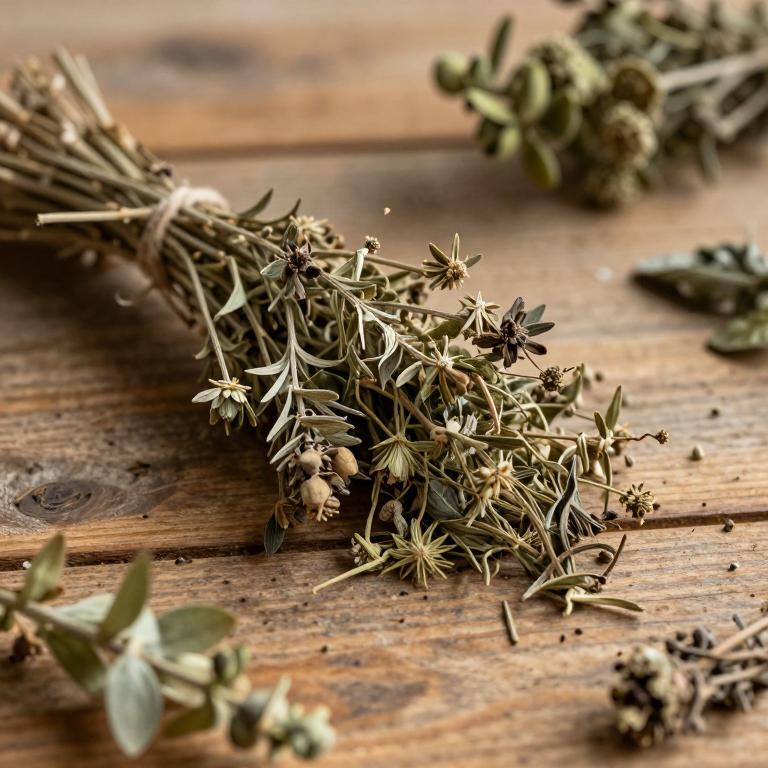
- Synonyms
- Ferulago Carduchorum · Ferulago Trifida Var. Kermanensis · 2 more
- Common names
- Not available
- Family
- Apiaceae
- Distribution
- Not available
- Plant Parts
- Flower · Fruit
Classification
Synonyms
Anisotaenia carduchorum is a botanical species characterized by a complex taxonomic history involving several distinct synonyms. It is frequently identified in scientific literature as Ferulago angulata subsp. carduchorum. Furthermore, the plant has been classified under the name Ferulago carduchorum in various studies. Other recognized variations include the designation Ferulago trifida subsp. carduchorum. Finally, the species is also linked to the synonym Ferulago trifida var. kermanensis, reflecting the evolving nature of its classification.
Sources: The World Checklist of Vascular Plants (WCVP)
Taxonomy
Anisotaenia carduchorum is a distinctive botanical specimen belonging to the kingdom Plantae. Within this vast kingdom, the plant is classified under the class Equisetopsida. It is further organized into the order Apiales, which defines its specific evolutionary lineage. As a member of the family Apiaceae, it shares characteristics with many well-known herbaceous plants. Ultimately, this species is defined by its placement within the genus Anisotaenia.
| Rank | Classification |
|---|---|
| Kingdom | Plantae |
| Phylum | Streptophyta |
| Class | Equisetopsida |
| Subclass | Magnoliidae |
| Order | Apiales |
| Family | Apiaceae |
| Genus | Anisotaenia |
Sources: The World Checklist of Vascular Plants (WCVP)
Distribution
Geographic Regions
Anisotaenia carduchorum is a plant species characterized by its specific geographical presence within the Asia-Temperate region. Its natural distribution is notably concentrated in the western portions of the continent. Specifically, this plant can be found growing within the borders of Iraq. Furthermore, its habitat extends across the landscape of Türkiye. These regional connections highlight the unique ecological niche that this species occupies in Western Asia.
Sources: The World Checklist of Vascular Plants (WCVP)
Identification
Biological Activities
Anisotaenia carduchorum, also identified in botanical studies as Ferulago carduchorum, demonstrates a diverse range of significant biological properties. Research indicates that the plant possesses potent antimicrobial activities, with specific fractions showing effectiveness against pathogens like Candida albicans. Furthermore, the plant exhibits strong antioxidant capabilities, particularly within its flower crude extracts. Studies on its essential oil have also revealed high cytotoxic activity against various cell lines, including T47D, HEP-G2, and HT-29. These combined findings highlight the plant's complex chemical profile and its potential for future therapeutic investigation.
Compounds
Anisotaenia carduchorum, also known as Ferulago carduchorum, is an endemic plant of Iran that has undergone extensive phytochemical investigation. Research focusing on the flower ethyl acetate fraction has successfully led to the isolation of a specific flavonoid. Specifically, this plant contains the compound hesperetin, which was identified during the study of its aerial parts. This isolated hesperetin has demonstrated notable antimicrobial activity against various pathogens. Ultimately, these findings highlight the significant presence of beneficial bioactive compounds within the plant's flowering stage.
Conditions
Anisotaenia carduchorum, specifically through its essential oil, demonstrates significant biological activity against various targets. It exhibits larvicidal effectiveness against the mosquito species Anopheles stephensi. The plant also shows noticeable antimicrobial efficiency against the fungus Candida albicans. Furthermore, the essential oil displays high cytotoxicity toward the HEP-G2, HT-29, and T47D cancer cell lines. These diverse interactions highlight the potent medicinal and insecticidal potential of the species.
Preparations
Anisotaenia carduchorum is prepared as a crude extract to study its total phenolic contents, antimicrobial, and antioxidant activities. The plant is also prepared as an essential oil, which has been shown to possess anti-Candida, larvicidal, and cytotoxic effects. Furthermore, Anisotaenia carduchorum is prepared as a total extract for the purpose of evaluating oral acute and subchronic toxicities in rats. These various preparations allow researchers to investigate different phytochemical properties and biological efficiencies. Through these different forms, the plant's chemical composition and medicinal potential are comprehensively analyzed.
Parts used
Anisotaenia carduchorum, also known as Ferulago carduchorum, is an endemic plant species from Iran that undergoes distinct vegetative changes throughout its life cycle. Research focuses on the chemical properties of its aerial parts, specifically examining the plant during its flower and fruit stages. Studies have revealed that the flower contains significant levels of bioactive compounds, including the flavonoid hesperetin. Comparative analyses show that the antioxidant and antimicrobial activities are notably more potent during the flowering stage than during the fruit season. Ultimately, understanding these developmental relationships provides essential insights into the plant's phytochemical potential.