Anisotaenia angulata
Anisotaenia angulata · Accepted scientific name
Scientific literature: Very Sparse (12 studies) · ★☆☆☆☆
Anisotaenia angulata is a botanical species that has garnered significant scientific interest due to its diverse range of therapeutic activities. Research indicates that methanolic and ethanolic extracts derived from its flowers and leaves possess potent antioxidant and neuroprotective properties. These extracts have demonstrated a remarkable ability to combat oxidative stress and mitigate apoptosis, offering potential implications for the management of Alzheimer's disease. Furthermore, the plant exhibits strong antibacterial and antimicrobial effects, particularly against pathogens such as Bacillus cereus. Consequently, exploring the medicinal potential of Anisotaenia angulata extracts provides a promising avenue for developing new pharmacological treatments.
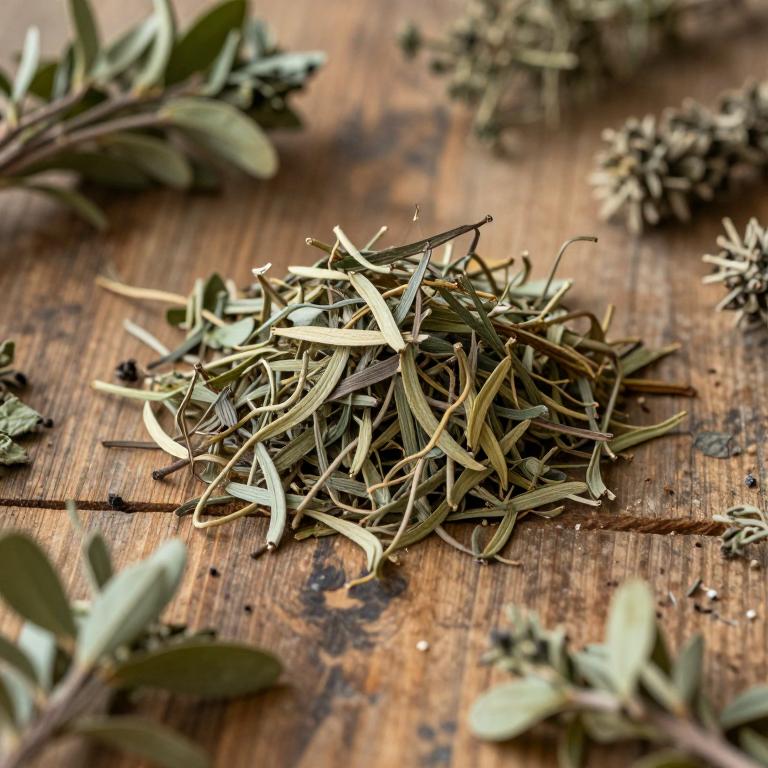
- Synonyms
- Ferula Angulata · Ferulago Linearifolia · 1 more
- Common names
- Not available
- Family
- Apiaceae
- Distribution
- Asia-Temperate
- Plant Parts
- Flower · Leaf
Classification
Synonyms
Anisotaenia angulata is a botanical species known to exist under several different scientific names within taxonomic literature. It is frequently identified by the synonym Ferula angulata, reflecting its close ties to the Ferula genus. Researchers also recognize the plant through the synonym Ferulago angulata, which highlights variations in classification history. Furthermore, the name Ferulago linearifolia serves as another recognized synonym for this particular plant. Understanding these overlapping designations is essential for accurate identification and consistent study in the field of botany.
Sources: The World Checklist of Vascular Plants (WCVP)
Taxonomy
Anisotaenia angulata is a unique botanical specimen that belongs to the kingdom Plantae. Within this vast kingdom, the species is classified under the class Equisetopsida. It is further categorized into the order Apiales, showcasing its specific evolutionary lineage. This plant is a member of the family Apiaceae, a group known for its distinct morphological traits. Finally, its taxonomic identity is defined by its placement within the genus Anisotaenia.
| Rank | Classification |
|---|---|
| Kingdom | Plantae |
| Phylum | Streptophyta |
| Class | Equisetopsida |
| Subclass | Magnoliidae |
| Order | Apiales |
| Family | Apiaceae |
| Genus | Anisotaenia |
Sources: The World Checklist of Vascular Plants (WCVP)
Distribution
Geographic Regions
Anisotaenia angulata exhibits a diverse geographical range that spans across several distinct ecological zones. Within the temperate regions of Asia, this species is notably found throughout Western Asia, specifically in Iraq and Türkiye. Its presence also extends into the tropical landscapes of the Indian Subcontinent, where it thrives in Pakistan. This wide distribution highlights the plant's ability to adapt to varying climates and environmental conditions. Consequently, understanding these specific habitats is essential for studying its overall biological footprint.
Sources: The World Checklist of Vascular Plants (WCVP)
Identification
Biological Activities
Anisotaenia angulata, also known as Ferulago angulata, is a medicinal plant that demonstrates a wide range of significant pharmacological activities. Research indicates that its extracts possess strong antioxidant and neuroprotective properties, which may help combat oxidative stress and memory impairment associated with Alzheimer's disease. Furthermore, the plant's essential oils and extracts exhibit notable antibacterial and antimicrobial effects against various pathogens, including oral bacteria and food-related microorganisms. The plant has also shown antineoplastic potential, particularly through its ability to inhibit the proliferation of certain tumor cell lines like Jurkat cells. These diverse biological capabilities suggest that the species holds great promise for applications in the pharmaceutical, food, and cosmetic industries.
Compounds
Conditions
Anisotaenia angulata, also known as Ferulago angulata, demonstrates significant therapeutic potential by treating oxidative stress through its potent antioxidant properties. This medicinal plant serves as a protective agent against Alzheimer's disease by mitigating the neurotoxic effects associated with the condition. Specifically, the extract treats Aβ-induced toxicity by ameliorating the harmful biochemical changes caused by beta-amyloid. It also effectively treats Aβ-induced cell death, protecting PC12 cells from apoptosis and increasing cell viability. Through these mechanisms, the plant offers a promising approach for managing the complex progression of Alzheimer's disease.
Preparations
Anisotaenia angulata is prepared as an extract to explore its various pharmacological properties. Researchers have utilized methanolic extracts of this plant to investigate its neuroprotective effects against Alzheimer's-related toxicity. Studies also involve the use of methanolic extract to assess antioxidant and anti-inflammatory activities in biological models. Additionally, the plant is prepared as ethanolic and methanolic extracts to test its efficacy against antibiotic-resistant Brucella melitensis. These diverse preparation methods, including the use of a specific methanolic extract, allow for the comprehensive evaluation of its medicinal potential.
Parts used
Anisotaenia angulata, also known as Ferulago angulata, is a medicinal plant recognized for its significant therapeutic potential. Research indicates that the flowers of this species are rich in vitamins, minerals, and antioxidants, offering promising hepatoprotective effects against liver oxidative stress. Additionally, the leaves of the plant contain bioactive compounds that demonstrate potent anticancer properties. Specifically, extracts derived from the leaves have been shown to induce apoptosis and cell cycle arrest in certain cancer cell lines. Together, these various parts of the plant highlight its diverse pharmacological value in traditional and modern medicine.