Anisopus mannii
Anisopus mannii · Accepted scientific name
Scientific literature: Very Sparse (10 studies) · ★☆☆☆☆
Anisopus mannii, scientifically known as Anisopus mannii, is a versatile medicinal plant highly valued in traditional African medicine. Renowned for its diverse therapeutic properties, it is frequently utilized to treat various ailments, including skin infections and digestive issues, offering significant pharmacological potential for modern healthcare and natural remedies.
- Family
- Apocynaceae
- Native range
- Africa
- Parts used
- Leaf
- Common names
- Not available
- Scientific synonyms
- Marsdenia Batesii · Marsdenia Bicoronata · 5 more
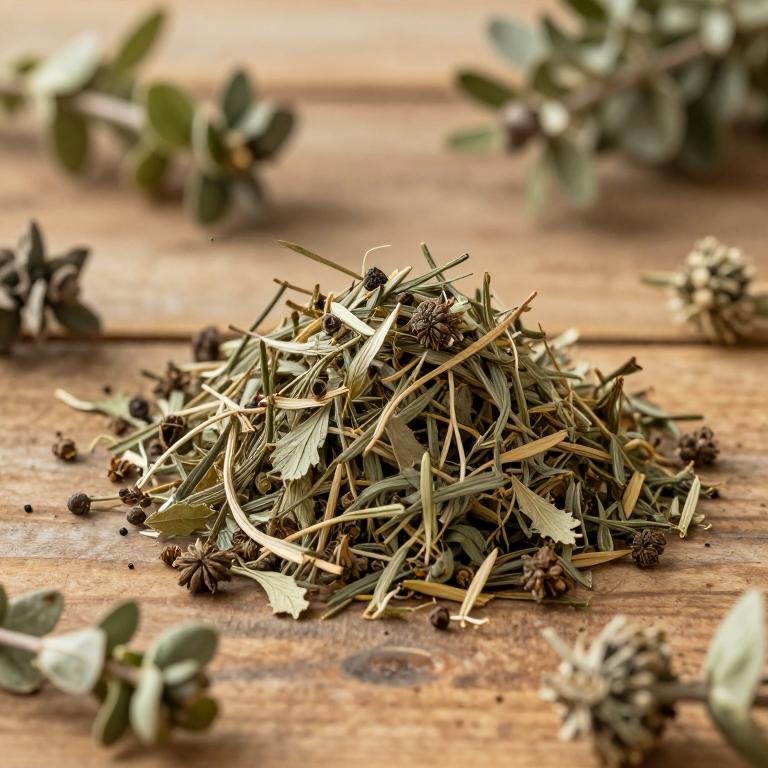
Names and Synonyms
Scientific Names
Accepted name
Anisopus manniiSynonyms
- Marsdenia batesii
- Marsdenia bicoronata
- Marsdenia rostrifera
- Marsdenia rhynchogyna
- Anisopus rostrifer
- Anisopus batesii
- Anisopus bicornatus
Sources: Wikidata
Taxonomical Classification
This plant belongs to the kingdom Plantae and the phylum Streptophyta, falling under the class Equisetopsida and subclass Magnoliidae. It is further classified within the order Gentianales and the family Apocynaceae. Finally, the medicinal species is identified by the genus Anisopus and the specific epithet mannii.
| Rank | Classification |
|---|---|
| Kingdom | Plantae |
| Phylum | Streptophyta |
| Class | Equisetopsida |
| Subclass | Magnoliidae |
| Order | Gentianales |
| Family | Apocynaceae |
| Genus | Anisopus |
Sources: The World Checklist of Vascular Plants (WCVP)
Distribution
This plant, known as Anisopus mannii, exhibits a specific distribution pattern across the West Tropical Africa region. It can be found growing within the borders of Ghana, where it is part of the local flora. The species also extends its range into the Ivory Coast and Liberia. Furthermore, its presence is documented in the large territory of Nigeria. Finally, the geographical reach of this medicinal plant includes the nation of Senegal.
| Region | Area |
|---|---|
| West Tropical Africa | Ghana |
| West Tropical Africa | Ivory Coast |
| West Tropical Africa | Liberia |
| West Tropical Africa | Nigeria |
| West Tropical Africa | Senegal |
| West-Central Tropical Africa | Central African Republic |
| West-Central Tropical Africa | Cameroon |
| West-Central Tropical Africa | Equatorial Guinea |
| West-Central Tropical Africa | Gabon |
| West-Central Tropical Africa | DR Congo |
Sources: The World Checklist of Vascular Plants (WCVP)
Botanical Identification
Morphology
The morphology of Anisopus mannii is characterized by its distinct growth habits and structural composition. It functions as a climber, specifically manifesting as a liana or vine that requires support to ascend, exhibiting an obligatory climbing nature rather than being self-supporting. In terms of its overall growth form, the plant is classified as a shrub or subshrub, maintaining a robust structural presence. Furthermore, the plant displays significant woodiness, possessing woody stems that support its climbing and shrub-like development.
- Climber :
- liana
- Climber :
- obligatory
- Growth form :
- shrub
- Woodiness :
- woody
Sources: Global Inventory of Floras and Traits (GIFT)
Plant Parts
Anisopus mannii has 1 reported plant parts identified across 1 scientific publications and several other databases that are studied for medicinal purposes. The most consistently reported plant part include leaf.
| Plant part | Supporting sources | Consensus |
|---|---|---|
| Leaf | 1 supporting sources | ★☆☆☆☆ |
Leaf
- Journal of intercultural ethnopharmacology
Chemicals
Anisopus mannii has 3 reported phytochemicals identified across 1 scientific publications and several other databases. The most consistently reported chemicals include Glycosides, Saponins, Tannins.
| Chemical | Supporting sources | Consensus |
|---|---|---|
| Glycosides | 1 supporting sources | ★☆☆☆☆ |
| Saponins | 1 supporting sources | ★☆☆☆☆ |
| Tannins | 1 supporting sources | ★☆☆☆☆ |
Glycosides
- Journal of complementary & integrative medicine
Saponins
- Journal of complementary & integrative medicine
Tannins
- Journal of complementary & integrative medicine
Conditions
Anisopus mannii has 6 reported investigations on conditions identified across 1 scientific publications and several other databases. The most consistently reported conditions include Bacillus cereus, Enterococcus faecalis, MRSA, Proteus vulgaris, Streptococcus pyogenes.
| Condition | Supporting sources | Consensus |
|---|---|---|
| Bacillus cereus | 1 supporting sources | ★☆☆☆☆ |
| Enterococcus faecalis | 1 supporting sources | ★☆☆☆☆ |
| Mrsa | 1 supporting sources | ★☆☆☆☆ |
| Proteus vulgaris | 1 supporting sources | ★☆☆☆☆ |
| Streptococcus pyogenes | 1 supporting sources | ★☆☆☆☆ |
| Diabetes mellitus | 1 supporting sources | ★☆☆☆☆ |
Bacillus cereus
- Journal of intercultural ethnopharmacology
Enterococcus faecalis
- Journal of intercultural ethnopharmacology
Mrsa
- Journal of intercultural ethnopharmacology
Proteus vulgaris
- Journal of intercultural ethnopharmacology
Streptococcus pyogenes
- Journal of intercultural ethnopharmacology
Diabetes mellitus
- Journal of complementary & integrative medicine
Preparations
Anisopus mannii has 2 reported preparations identified across 1 scientific publications and several other databases. The most consistently reported preparations include aqueous extracts, hexane leaf extract.
| Preparation | Supporting sources | Consensus |
|---|---|---|
| Aqueous extracts | 1 supporting sources | ★☆☆☆☆ |
| Hexane leaf extract | 1 supporting sources | ★☆☆☆☆ |
Aqueous extracts
- Journal of complementary & integrative medicine
Hexane leaf extract
- Journal of intercultural ethnopharmacology