Angophora
Angophora · Accepted scientific name
Scientific literature: Very Sparse (0 studies) · ★☆☆☆☆
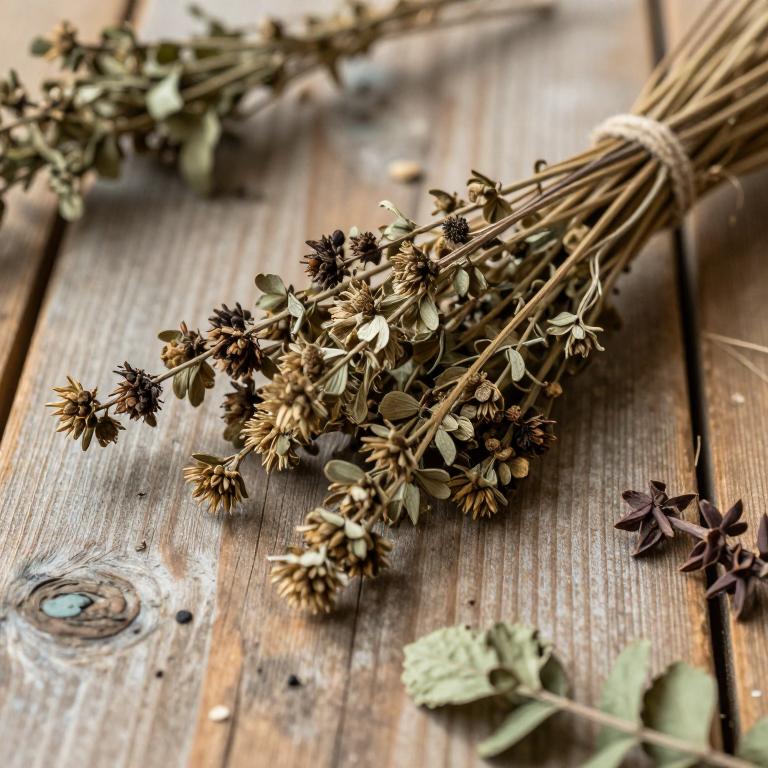
Angophora is a striking genus of trees and shrubs primarily native to the diverse landscapes of Australia. These resilient plants are easily identified by their distinctive woody stems that provide sturdy support for their spreading canopies. The leaves of the Angophora are often tough and leathery, designed to thrive in varying environmental conditions. During their blooming season, they produce delicate flowers that attract a wide array of local pollinators. Together, these various plant parts contribute to the unique aesthetic and ecological importance of the species.
- Synonyms
- Not available
- Common names
- Not available
- Family
- Myrtaceae
- Distribution
- Southern America
- Plant Parts
- Flower · Leaf
Classification
Common Names
Angophora is a fascinating genus of trees that is widely recognized by several distinct names across different cultures and languages. In many English-speaking regions, these plants are affectionately referred to as Apple Gums due to their characteristic appearance. They are also frequently identified simply by their scientific name, Angophora, in botanical contexts. This nomenclature extends internationally, appearing as Ангофора in Cyrillic script and 杯果桉屬 in Chinese characters. Understanding these various common names helps enthusiasts connect with the diverse ways this genus is categorized globally.
Sources: Catalogue of Life (COL)
Taxonomy
Angophora is a fascinating genus of flowering plants that belongs to the vast kingdom Plantae. Within this biological hierarchy, it is classified under the class Equisetopsida. It specifically falls into the order Myrtales, which helps define its unique evolutionary lineage. Furthermore, this genus is a distinguished member of the Myrtaceae family. Understanding these botanical connections provides essential insight into the natural identity of Angophora.
| Rank | Classification |
|---|---|
| Kingdom | Plantae |
| Phylum | Streptophyta |
| Class | Equisetopsida |
| Subclass | Magnoliidae |
| Order | Myrtales |
| Family | Myrtaceae |
| Genus | Angophora |
Sources: The World Checklist of Vascular Plants (WCVP)
Distribution
Geographic Regions
Angophora is a distinctive genus primarily found throughout the expansive Australasian region. Within this territory, the plant maintains a significant presence across the diverse landscapes of Australia. Its distribution is particularly notable in the state of New South Wales, where it thrives in various habitats. Furthermore, these plants are widely scattered throughout Queensland, contributing to the local biodiversity. The genus also extends its reach into Victoria, ensuring its ecological impact is felt across much of the continent.
Sources: The World Checklist of Vascular Plants (WCVP)
Identification
Biological Activities
Compounds
Conditions
Angophora contains methanolic extracts that act as inhibitors for several specific protein kinases. Specifically, the plant treats Ca (2+)-calmodulin-dependent myosin light chain kinase (MLCK) through these bioactive compounds. It also provides treatment for the catalytic subunit of the cyclic AMP-dependent protein kinase (cAK), with inhibitor levels reaching up to 9,600,000 PKIU. Furthermore, Angophora is capable of treating plant Ca (2+)-dependent protein kinase (CDPK). These inhibitory relationships demonstrate the plant's potential as a source of bioactive defense compounds.
Preparations
Parts used
Angophora is a prominent genus within the Myrtaceae family that has been studied for its diverse bioactive properties. Research indicates that various components of this plant, including the leaf, contain significant levels of protein kinase inhibitors. Furthermore, the flower of the Angophora also serves as a source for these important chemical compounds. Analysis of the stem reveals that these inhibitors are distributed across different morphological structures of the plant. Such findings highlight the medicinal potential found within the various parts of the Angophora species.