Angelica tianmuensis
Angelica tianmuensis · Accepted scientific name
Scientific literature: Very Sparse (0 studies) · ★☆☆☆☆
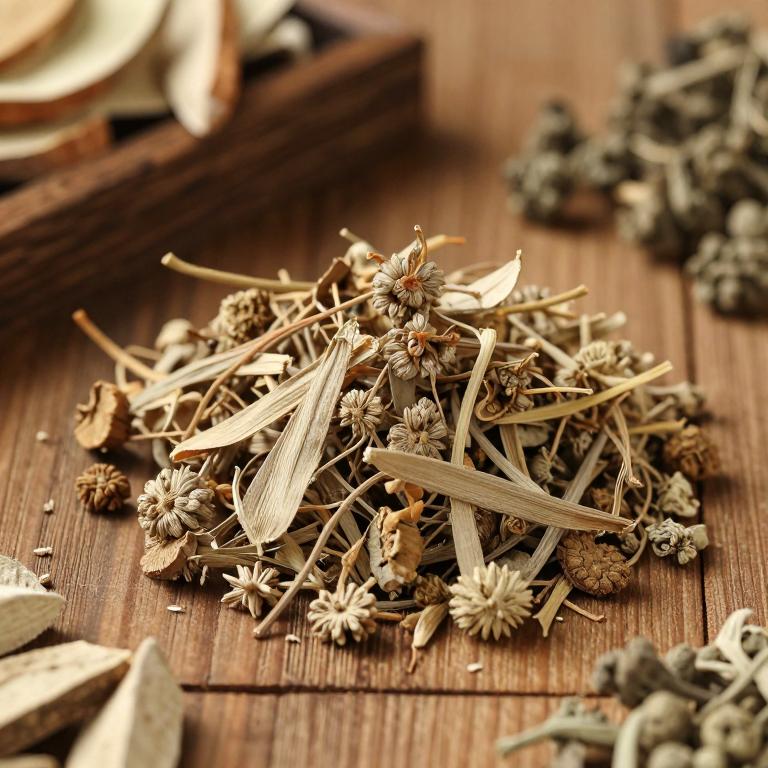
Angelica tianmuensis is a specialized botanical species recognized for its unique chemical profile and medicinal potential. The plant is primarily valued for its roots, which serve as the foundational component for various therapeutic preparations. Within these roots, specific bioactive compounds such as Cimifugin and Ligustilone play a crucial role in its biological activity. Researchers and herbalists focus on these roots to harness the concentrated essence of the plant for traditional and modern applications. Understanding the synergy between these chemical constituents makes this species a significant subject of study in pharmacognosy.
- Synonyms
- Not available
- Common names
- Not available
- Family
- Apiaceae
- Distribution
- Asia-Tropical
- Plant Parts
- Root
Classification
Common Names
Angelica tianmuensis is a distinct botanical species that holds a significant place in regional nomenclature. It is widely recognized by its common Chinese name, 天目當歸, which reflects its specific cultural and geographic identity. This relationship between its scientific classification and its local designation highlights the plant's deep roots in traditional herbal knowledge. Understanding these naming conventions is essential for anyone studying the biodiversity of its native habitats. By bridging the gap between Latin terminology and local usage, researchers can better document the plant's importance.
Sources: Catalogue of Life (COL)
Taxonomy
Angelica tianmuensis is a distinct botanical species that belongs to the vast kingdom Plantae. Within this kingdom, it is classified under the class Equisetopsida, showcasing its fundamental evolutionary lineage. It further resides in the order Apiales, a group known for diverse and complex floral structures. As a member of the Apiaceae family, this plant shares characteristics common to many aromatic herbs. Ultimately, its specific identity is defined by its placement within the genus Angelica.
| Rank | Classification |
|---|---|
| Kingdom | Plantae |
| Phylum | Streptophyta |
| Class | Equisetopsida |
| Subclass | Magnoliidae |
| Order | Apiales |
| Family | Apiaceae |
| Genus | Angelica |
Sources: The World Checklist of Vascular Plants (WCVP)
Distribution
Geographic Regions
Angelica tianmuensis is a plant species primarily distributed throughout the Asia-Temperate regions. Its presence is well-documented across various parts of China, including both the North-Central and Southeast territories. Beyond mainland China, the species extends its reach into the Eastern Asia region. Specifically, it can be found growing in the natural landscapes of Japan. Additionally, its botanical range encompasses the Korean peninsula, marking it as a significant flora of East Asia.
Sources: The World Checklist of Vascular Plants (WCVP)
Identification
Biological Activities
Compounds
Angelica tianmuensis serves as a significant source of several distinct chemical constituents found within its roots. Through the use of column chromatography and spectral analysis, researchers successfully isolated specific bioactive compounds from the plant. Notably, the chemical profile of Angelica tianmuensis includes the presence of cimifugin. Furthermore, investigations confirmed that the roots also contain the compound known as ligustilone. These findings highlight the complex chemical composition that characterizes this particular species.
Conditions
Preparations
Angelica tianmuensis is prepared as roots for the isolation of specific chemical constituents. Researchers utilized column chromatography with silica gel to study the compounds found within these root structures. Through spectral analysis, scientists identified several key substances present in the plant's roots. Specifically, the compounds ligustilone, 5-methoxyhamaudol, and cimifugin were obtained from the roots of Angelica tianmuensis. This process allowed for the first-time isolation of these specific compounds from this particular plant species.
Parts used
Angelica tianmuensis serves as a significant subject of botanical research due to the valuable chemical constituents found within its root system. Scientific investigations have focused on isolating specific compounds from these roots using column chromatography with silica gel. Through detailed spectral analysis, researchers successfully identified several key substances, including ligustilone, 5-methoxyhamaudol, and cimifugin. These findings are particularly noteworthy because many of these compounds were isolated from the plant for the very first time. Such discoveries highlight the importance of studying the root components of this species to better understand its chemical profile.