Angelica shikokiana
Angelica shikokiana · Accepted scientific name
Scientific literature: Very Sparse (11 studies) · ★☆☆☆☆
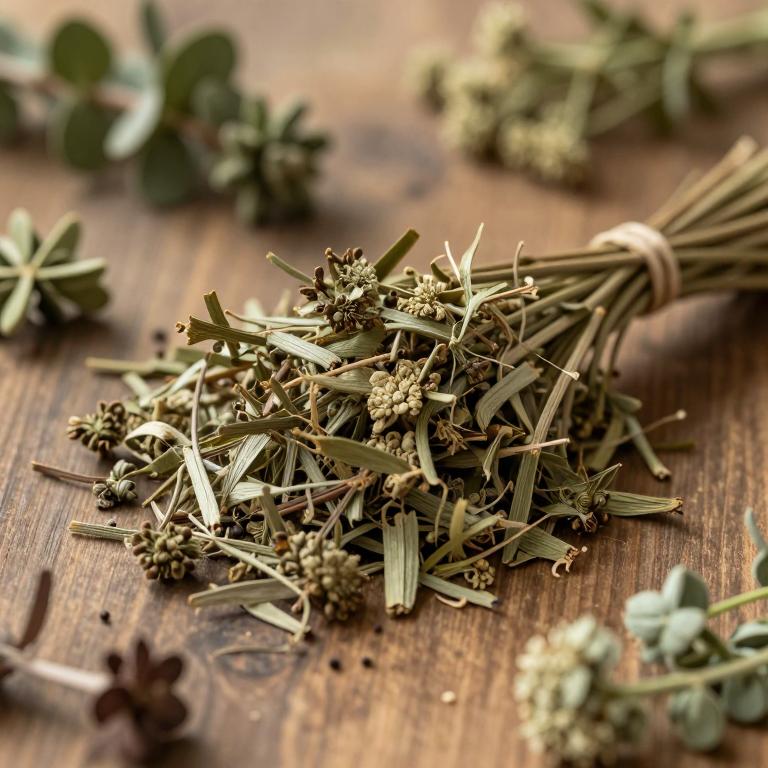
Angelica shikokiaana, scientifically known as Angelica shikokiaana, is a perennial medicinal herb native to the mountainous regions of East Asia. Renowned in traditional medicine, it is highly valued for its unique therapeutic properties, often used to support circulatory health, reduce inflammation, and promote overall vitality and wellness.
- Family
- Apiaceae
- Native range
- Asia-Temperate
- Parts used
- Root
- Common names
- Not available
- Scientific synonyms
- Not available
Names and Synonyms
Scientific Names
Accepted name
Angelica shikokianaSources: Wikidata, Catalogue of Life
Taxonomical Classification
This plant belongs to the kingdom Plantae and the phylum Streptophyta within the class Equisetopsida. It is further classified under the subclass Magnoliidae and the order Apiales. Finally, it is a member of the family Apiaceae and falls under the genus Angelica.
| Rank | Classification |
|---|---|
| Kingdom | Plantae |
| Phylum | Streptophyta |
| Class | Equisetopsida |
| Subclass | Magnoliidae |
| Order | Apiales |
| Family | Apiaceae |
| Genus | Angelica |
Sources: The World Checklist of Vascular Plants (WCVP)
Distribution
This plant is indigenous to the specific region of Eastern Asia. Within this vast territory, its natural habitat is found exclusively in Japan. The species occupies a relatively narrow geographical range compared to other medicinal plants. Because of this localized presence, its wild populations are concentrated in Japanese ecosystems. Therefore, its distribution is characterized by its unique connection to the Japanese archipelago.
| Region | Area |
|---|---|
| Eastern Asia | Japan |
Sources: The World Checklist of Vascular Plants (WCVP)
Botanical Identification
Morphology
The morphology of Angelica shikokiana is characterized by its growth form as a herb, presenting a non-woody structure throughout its vegetative development. As a herbaceous perennial, it lacks woody tissue, instead relying on fleshy or fibrous stems that typically reach significant heights during the flowering season. This non-woody habit allows the plant to thrive in moist, shaded environments, where its soft, green tissues support large, compound leaves and complex umbels.
- Growth form :
- herb
- Woodiness :
- non-woody
Sources: Global Inventory of Floras and Traits (GIFT)
Plant Parts
Angelica shikokiana has 1 reported plant parts identified across 1 scientific publications and several other databases that are studied for medicinal purposes. The most consistently reported plant part include root.
| Plant part | Supporting sources | Consensus |
|---|---|---|
| Root | 1 supporting sources | ★☆☆☆☆ |
Root
- Journal of ethnopharmacology
Chemicals
Angelica shikokiana has 6 reported phytochemicals identified across 1 scientific publications and several other databases. The most consistently reported chemicals include Bergapten, Coumarins, Flavonoids, Glucuronides, Hyuganin C.
| Chemical | Supporting sources | Consensus |
|---|---|---|
| Bergapten | 2 supporting sources | ★☆☆☆☆ |
| Coumarins | 1 supporting sources | ★☆☆☆☆ |
| Flavonoids | 1 supporting sources | ★☆☆☆☆ |
| Glucuronides | 1 supporting sources | ★☆☆☆☆ |
| Hyuganin C | 1 supporting sources | ★☆☆☆☆ |
| Psoralen | 1 supporting sources | ★☆☆☆☆ |
Bergapten
- Journal of ethnopharmacology
- Clinical and applied thrombosis/hemostasis : official journal of the International Academy of Clinical and Applied Thrombosis/Hemostasis
Coumarins
- Clinical and applied thrombosis/hemostasis : official journal of the International Academy of Clinical and Applied Thrombosis/Hemostasis
Flavonoids
- Clinical and applied thrombosis/hemostasis : official journal of the International Academy of Clinical and Applied Thrombosis/Hemostasis
Glucuronides
- Clinical and applied thrombosis/hemostasis : official journal of the International Academy of Clinical and Applied Thrombosis/Hemostasis
Hyuganin C
- Clinical and applied thrombosis/hemostasis : official journal of the International Academy of Clinical and Applied Thrombosis/Hemostasis
Psoralen
- Journal of ethnopharmacology
Preparations
Angelica shikokiana has 4 reported preparations identified across 1 scientific publications and several other databases. The most consistently reported preparations include Angelica methanol extract [AME], EtO Ac fraction of the roots, MeOH fraction, methanol extract of the aerial part.
| Preparation | Supporting sources | Consensus |
|---|---|---|
| Angelica methanol extract [ame] | 1 supporting sources | ★☆☆☆☆ |
| Eto ac fraction of the roots | 1 supporting sources | ★☆☆☆☆ |
| Meoh fraction | 1 supporting sources | ★☆☆☆☆ |
| Methanol extract of the aerial part | 1 supporting sources | ★☆☆☆☆ |
Angelica methanol extract [ame]
- Clinical and applied thrombosis/hemostasis : official journal of the International Academy of Clinical and Applied Thrombosis/Hemostasis
Eto ac fraction of the roots
- Journal of ethnopharmacology
Meoh fraction
- Journal of ethnopharmacology
Methanol extract of the aerial part
- Clinical and applied thrombosis/hemostasis : official journal of the International Academy of Clinical and Applied Thrombosis/Hemostasis