Angelica dahurica formosana
Angelica dahurica var. formosana · Accepted scientific name
Scientific literature: Very Sparse (19 studies) · ★☆☆☆☆
Angelica dahurica formosana, scientifically known as Angelica dahurica var. formosana, is a specialized medicinal variety native to Taiwan. Renowned in traditional herbalism, this plant is highly valued for its therapeutic properties, particularly in treating skin conditions, inflammation, and respiratory ailments through its potent bioactive compounds and aromatic roots.
- Family
- Apiaceae
- Native range
- Asia-Temperate
- Parts used
- Root
- Common names
- Not available
- Scientific synonyms
- Angelica Formosana
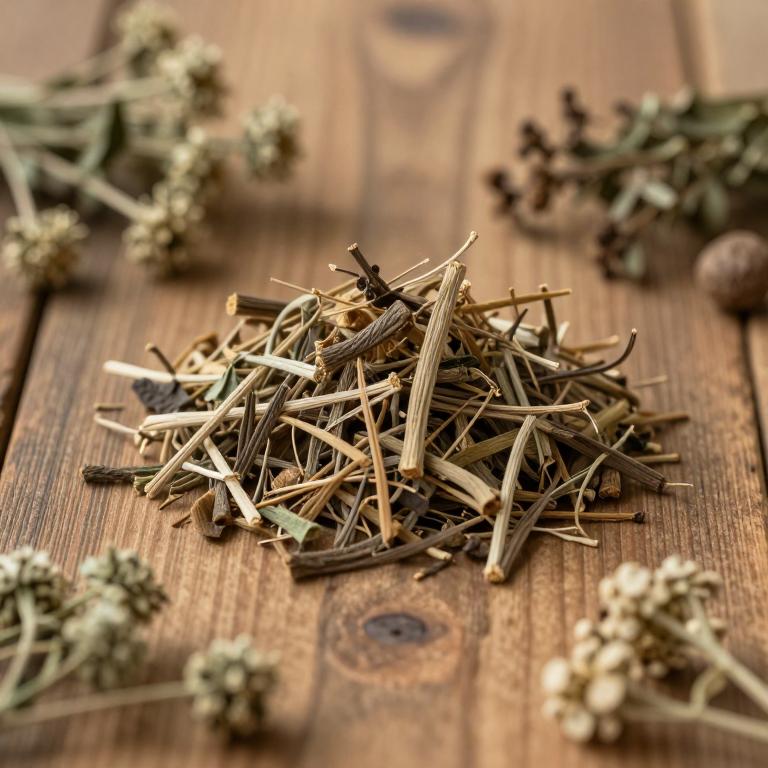
Names and Synonyms
Scientific Names
Accepted name
Angelica dahurica var. formosanaSynonyms
- Angelica formosana
Sources: Wikidata
Taxonomical Classification
This plant belongs to the kingdom Plantae within the phylum Streptophyta and the class Equisetopsida. It is further classified under the subclass Magnoliidae and the order Apiales. Finally, it is a member of the family Apiaceae and the genus Angelica.
| Rank | Classification |
|---|---|
| Kingdom | Plantae |
| Phylum | Streptophyta |
| Class | Equisetopsida |
| Subclass | Magnoliidae |
| Order | Apiales |
| Family | Apiaceae |
| Genus | Angelica |
Sources: The World Checklist of Vascular Plants (WCVP)
Distribution
This plant is a specific variety known as Angelica dahurica var. formosana. Its geographical distribution is quite restricted compared to other varieties of the species. It is found exclusively within the region of Eastern Asia. Specifically, this medicinal plant is native to the island of Taiwan. Consequently, its natural habitat is limited to the unique ecological zones of this particular territory.
| Region | Area |
|---|---|
| Eastern Asia | Taiwan |
Sources: The World Checklist of Vascular Plants (WCVP)
Plant Parts
Angelica dahurica var. formosana has 1 reported plant parts identified across 1 scientific publications and several other databases that are studied for medicinal purposes. The most consistently reported plant part include root.
| Plant part | Supporting sources | Consensus |
|---|---|---|
| Root | 1 supporting sources | ★☆☆☆☆ |
Root
- Journal of plant physiology
Chemicals
Angelica dahurica var. formosana has 14 reported phytochemicals identified across 1 scientific publications and several other databases. The most consistently reported chemicals include Byakangelicin, IMPERATORIN, Isoimperatorin, Bergapten, Byakangelicol.
| Chemical | Supporting sources | Consensus |
|---|---|---|
| Byakangelicin | 2 supporting sources | ★☆☆☆☆ |
| IMPERATORIN | 2 supporting sources | ★☆☆☆☆ |
| Isoimperatorin | 2 supporting sources | ★☆☆☆☆ |
| Bergapten | 1 supporting sources | ★☆☆☆☆ |
| Byakangelicol | 1 supporting sources | ★☆☆☆☆ |
| Falcarindiol | 1 supporting sources | ★☆☆☆☆ |
| Furanocoumarin | 1 supporting sources | ★☆☆☆☆ |
| Furanocoumarins | 1 supporting sources | ★☆☆☆☆ |
| Oxypeucedanin | 1 supporting sources | ★☆☆☆☆ |
| Oxypeucedanin hydrate | 1 supporting sources | ★☆☆☆☆ |
Byakangelicin
- Plants (Basel, Switzerland)
- Phytochemical analysis : PCA
IMPERATORIN
- Journal of plant physiology
- Phytochemical analysis : PCA
Isoimperatorin
- Journal of plant physiology
- Phytochemical analysis : PCA
Bergapten
- Phytochemical analysis : PCA
Byakangelicol
- Plants (Basel, Switzerland)
Falcarindiol
- Plants (Basel, Switzerland)
Furanocoumarin
- Journal of agricultural and food chemistry
Furanocoumarins
- Journal of plant physiology
Oxypeucedanin
- Phytochemical analysis : PCA
Oxypeucedanin hydrate
- Phytochemical analysis : PCA
Preparations
Angelica dahurica var. formosana has 3 reported preparations identified across 1 scientific publications and several other databases. The most consistently reported preparations include Angelicae dahuricae Radix, Bai Zhi, dried roots.
| Preparation | Supporting sources | Consensus |
|---|---|---|
| Angelicae dahuricae radix | 1 supporting sources | ★☆☆☆☆ |
| Bai zhi | 1 supporting sources | ★☆☆☆☆ |
| Dried roots | 1 supporting sources | ★☆☆☆☆ |
Angelicae dahuricae radix
- Phytochemical analysis : PCA
Bai zhi
- Zhongguo Zhong yao za zhi = Zhongguo zhongyao zazhi = China journal of Chinese materia medica
Dried roots
- Journal of plant physiology