Andrographis alata
Andrographis alata · Accepted scientific name
Scientific literature: Very Sparse (2 studies) · ★☆☆☆☆
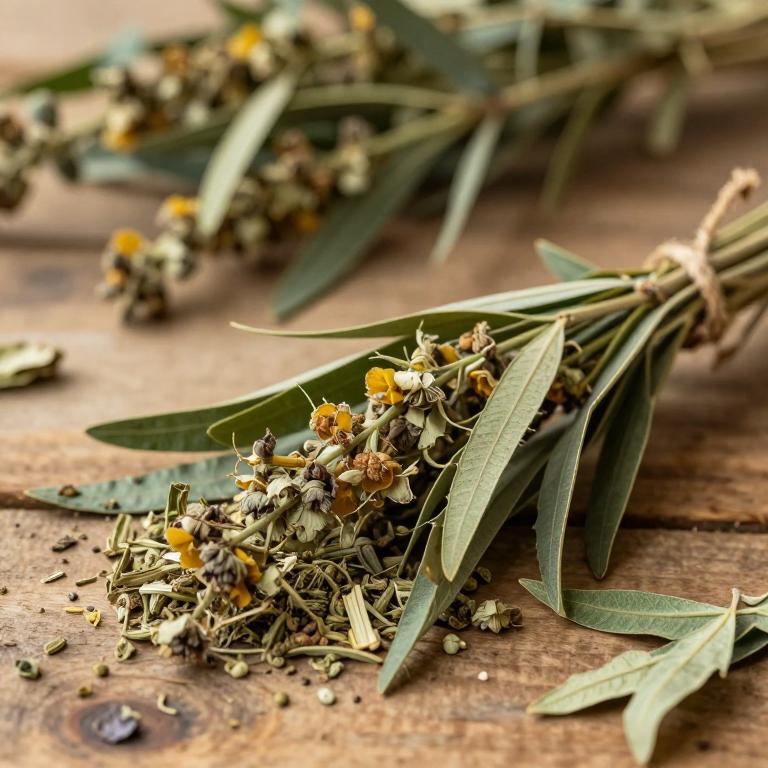
Andrographis alata, scientifically known as Andrographis alata, is a potent medicinal herb native to Southeast Asia. Often referred to as "King of Bitters," this plant is prized in traditional medicine for its powerful anti-inflammatory, antimicrobial, and immune-boosting properties, playing a vital role in holistic wellness and herbal pharmacology.
- Family
- Acanthaceae
- Native range
- Asia-Tropical
- Parts used
- Not available
- Common names
- Not available
- Scientific synonyms
- Not available
Names and Synonyms
Scientific Names
Accepted name
Andrographis alataSources: Wikidata, Catalogue of Life
Taxonomical Classification
This plant, Andrographis alata, belongs to the kingdom Plantae and is classified under the phylum Streptophyta within the class Equisetopsida. It falls under the subclass Magnoliidae and the order Lamiales, specifically being a member of the family Acanthaceae. Finally, it is categorized under the genus Andrographis.
| Rank | Classification |
|---|---|
| Kingdom | Plantae |
| Phylum | Streptophyta |
| Class | Equisetopsida |
| Subclass | Magnoliidae |
| Order | Lamiales |
| Family | Acanthaceae |
| Genus | Andrographis |
Sources: The World Checklist of Vascular Plants (WCVP)
Distribution
This plant, known scientifically as Andrographis alata, exhibits a specific geographical range within the Asian continent. Its primary distribution is concentrated within the Indian Subcontinent. Specifically, it can be found growing naturally throughout various regions of India. Additionally, the species extends its presence to the island nation of Sri Lanka. Therefore, its habitat is relatively localized to these two key South Asian territories.
| Region | Area |
|---|---|
| Indian Subcontinent | India |
| Indian Subcontinent | Sri Lanka |
Sources: The World Checklist of Vascular Plants (WCVP)
Chemicals
Andrographis alata has 1 reported phytochemicals identified across 0 scientific publications and several other databases. The most consistently reported chemicals include Neoandrographolide.
| Chemical | Supporting sources | Consensus |
|---|---|---|
| Neoandrographolide | 1 supporting sources | ★☆☆☆☆ |
Neoandrographolide
- Journal, genetic engineering & biotechnology
Conditions
Andrographis alata has 1 reported investigations on conditions identified across 0 scientific publications and several other databases. The most consistently reported conditions include diabetic complications.
| Condition | Supporting sources | Consensus |
|---|---|---|
| Diabetic complications | 1 supporting sources | ★☆☆☆☆ |
Diabetic complications
- International journal of biological macromolecules
Preparations
Andrographis alata has 1 reported preparations identified across 0 scientific publications and several other databases. The most consistently reported preparations include polyherbal drug.
| Preparation | Supporting sources | Consensus |
|---|---|---|
| Polyherbal drug | 1 supporting sources | ★☆☆☆☆ |
Polyherbal drug
- International journal of biological macromolecules