Anacardium
Anacardium · Accepted scientific name
Scientific literature: Very Sparse (0 studies) · ★☆☆☆☆
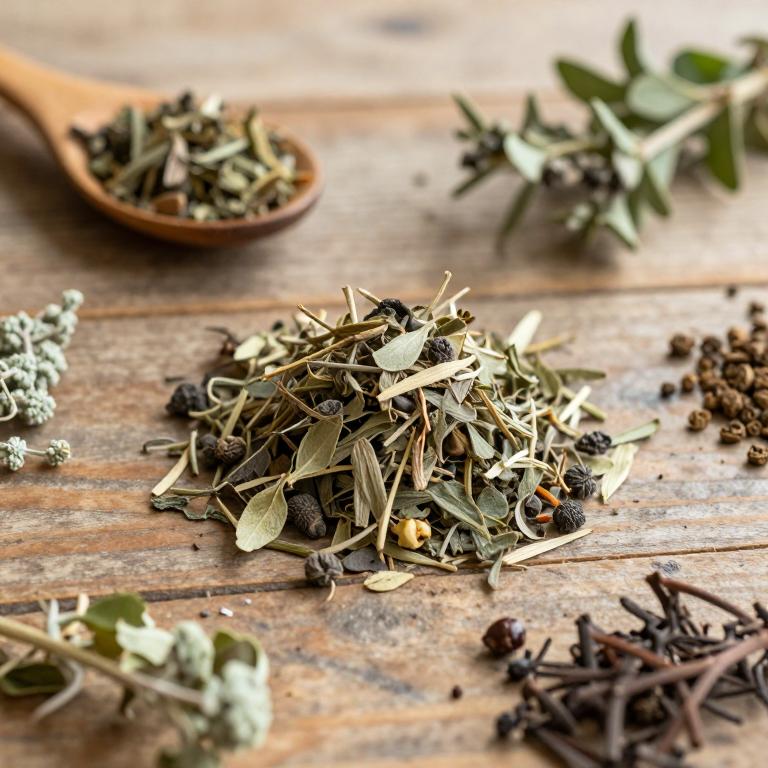
Anacardium is a versatile plant genus that holds significant interest in various traditional medicinal practices. Many practitioners utilize the specific properties of this species to address a variety of health concerns. One of the most common methods for utilizing the plant is through the creation of a fine leaf and shoot powder. This preparation allows for controlled dosing and easy integration into different therapeutic regimens. By harnessing the concentrated essence of the foliage, users can tap into the plant's unique biological potential.
- Synonyms
- Monodynamus · Rhinocarpus · 3 more
- Common names
- Not available
- Family
- Anacardiaceae
- Distribution
- Not available
- Plant Parts
- Not available
Classification
Common Names
Anacardium is a plant recognized by many diverse names across different languages and cultures. It is frequently referred to by its botanical name, anacardium, which serves as a standard identifier. Depending on the region, you might encounter it known as Anakardijas or as the term Munuaispuut. In some contexts, it is also identified as part of the cashewsläktet group. Furthermore, the plant is known in Armenian as Բալատրենի, showcasing its global linguistic variety.
Sources: Catalogue of Life (COL)
Synonyms
Anacardium is a botanical genus that is recognized through several distinct scientific synonyms. Depending on the taxonomic context, the plant may be referred to as Acajou or Acajuba. It is also documented in various historical records under the name Cassuvium. Furthermore, the genus has been associated with the terms Monodynamus and Rhinocarpus in different studies. Understanding these multiple identities is essential for accurate classification and research.
Sources: The World Checklist of Vascular Plants (WCVP)
Taxonomy
Anacardium is a remarkable organism that belongs to the vast kingdom Plantae. Within this diverse biological realm, it is specifically classified under the class Equisetopsida. This plant further descends through the order Sapindales, showcasing its unique evolutionary lineage. It is also a prominent member of the Anacardiaceae family, which highlights its botanical connections. Ultimately, it is defined by its own distinct genus, Anacardium, marking its specific identity in the natural world.
| Rank | Classification |
|---|---|
| Kingdom | Plantae |
| Phylum | Streptophyta |
| Class | Equisetopsida |
| Subclass | Magnoliidae |
| Order | Sapindales |
| Family | Anacardiaceae |
| Genus | Anacardium |
Sources: The World Checklist of Vascular Plants (WCVP)
Distribution
Geographic Regions
Anacardium exhibits a widespread distribution across the diverse landscapes of the African continent. Within East Tropical Africa, this plant is notably found in the regions of Kenya and Tanzania. Its presence extends further into Northeast Tropical Africa, encompassing the areas of Sudan and South Sudan. Moving toward the southern reaches, the species is also established within South Tropical Africa. Specifically, these populations can be identified throughout the territories of both Angola and Mozambique.
Sources: The World Checklist of Vascular Plants (WCVP)
Identification
Biological Activities
Compounds
Conditions
Preparations
Anacardium plants are processed into specialized leaf and shoot powder to utilize their diverse biological properties. This specific preparation serves as a concentrated source of rich secondary metabolites found within the plant's structure. These powdered components are highly valued for their significant antioxidant and antimicrobial effects. Such preparations are increasingly important for developing functional ingredients within the food industry. Consequently, the use of leaf and shoot powder offers a promising biotechnological approach for creating green food products.