Anabasis haussknechtii
Anabasis haussknechtii · Accepted scientific name
Scientific literature: Very Sparse (1 studies) · ★☆☆☆☆
Anabasis haussknechtii, scientifically known as Anabasis haussknechtii, is a remarkable medicinal plant valued for its unique therapeutic properties. Found in specific ecological niches, this botanical treasure offers potent bioactive compounds. Exploring its traditional uses and pharmacological potential provides vital insights into natural healing and modern drug discovery efforts.
- Family
- Amaranthaceae
- Native range
- Asia-Temperate
- Parts used
- Not available
- Common names
- Not available
- Scientific synonyms
- Anabasis Haussknechtii Var. Iranica · Anabasis Iranica
Names and Synonyms
Scientific Names
Accepted name
Anabasis haussknechtiiSynonyms
- Anabasis haussknechtii var. iranica
- Anabasis iranica
Regional and Traditional Names
German:
- Anabasis iranica
- Anabasis haussknechtii var. iranica
Sources: Wikidata
Taxonomical Classification
This plant, Anabasis haussknechtii, belongs to the kingdom Plantae and the phylum Streptophyta. It is classified under the class Equisetopsida and the subclass Magnoliidae, falling within the order Caryophyllales. Finally, it is a member of the family Amaranthaceae and the genus Anabasis.
| Rank | Classification |
|---|---|
| Kingdom | Plantae |
| Phylum | Streptophyta |
| Class | Equisetopsida |
| Subclass | Magnoliidae |
| Order | Caryophyllales |
| Family | Amaranthaceae |
| Genus | Anabasis |
Sources: The World Checklist of Vascular Plants (WCVP)
Distribution
This plant, Anabasis haussknechtii, exhibits a specific geographical distribution across several distinct regions. In Western Asia, its presence is documented within the borders of Iran. The species also extends through the Lebanon-Syria region of Western Asia. Furthermore, its range reaches into the Indian Subcontinent, specifically found in Pakistan. These locations define the primary natural habitats where this medicinal plant can be located.
| Region | Area |
|---|---|
| Western Asia | Iran |
| Western Asia | Lebanon-Syria |
| Indian Subcontinent | Pakistan |
Sources: The World Checklist of Vascular Plants (WCVP)
Botanical Identification
Morphology
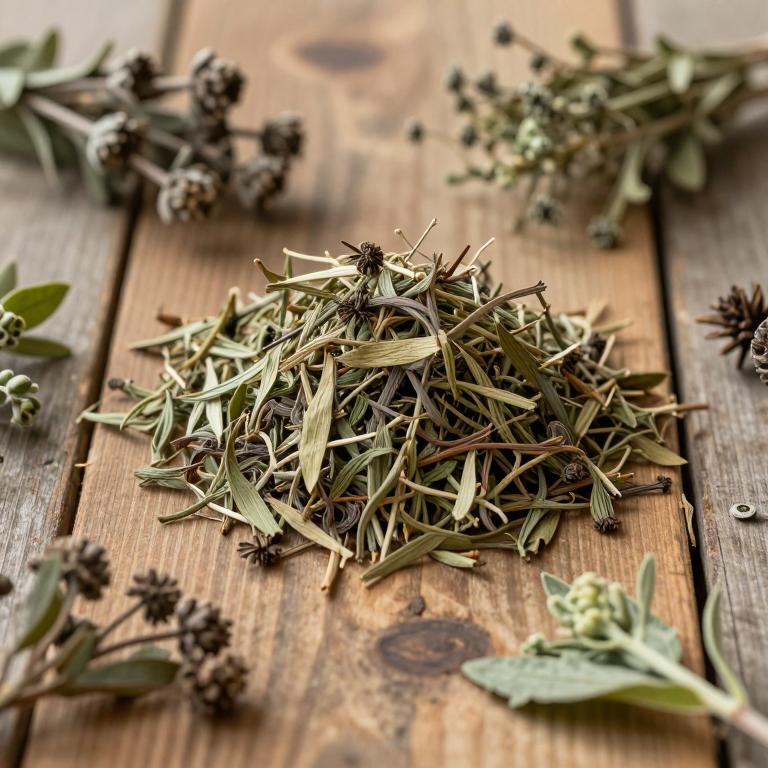
The morphology of Anabasis haussknechtii is characterized by its distinct growth form, which is classified as a herb, often exhibiting a low-growing, spreading, or cushion-like habit typical of many members of the Amaranthaceae family found in arid environments. The plant structure is primarily composed of woody or semi-woody stems that provide a compact, sometimes subshrub-like appearance despite its herbaceous classification. The leaves are highly modified, typically being scale-like, fleshy, and reduced in surface area to minimize transpiration, often appearing sessile and tightly appressed to the stems. The branching pattern is often intricate, contributing to a dense, mounded architecture. The inflorescences are generally small and inconspicuous, with flowers arranged in axillary clusters or spikes, often possessing a somewhat succulent texture.
- Growth form :
- herb
Physiology
The physiology of Anabasis haussknechtii is characterized by highly specialized adaptations to arid environments, most notably through its utilization of the C4 photosynthetic pathway. Unlike C3 plants, this species employs a modified carbon fixation mechanism that allows for the spatial separation of initial carbon uptake and the Calvin cycle, thereby significantly reducing photorespiration and increasing water-use efficiency. This C4 metabolic strategy enables the plant to maintain high rates of photosynthetic activity even under intense solar radiation and elevated temperatures, which are typical of its native habitats. By concentrating carbon dioxide around the enzyme Rubisco within specialized bundle sheath cells, Anabasis haussknechtii can keep its stomata partially closed to conserve moisture without compromising its ability to synthesize carbohydrates, representing a sophisticated physiological adaptation to extreme xeric conditions.
- Photosynthetic pathway :
- C4
Sources: Global Inventory of Floras and Traits (GIFT)
Activities
Anabasis haussknechtii has 1 reported activities identified across 0 scientific publications and several other databases. The most consistently reported activities include Antibacterial.
| Activity | Supporting sources | Consensus |
|---|---|---|
| Antibacterial | 1 supporting sources | ★☆☆☆☆ |
Antibacterial
- Cardiovascular & hematological agents in medicinal chemistry