Amsonia orientalis
Amsonia orientalis · Accepted scientific name
Scientific literature: Very Sparse (0 studies) · ★☆☆☆☆
Amsonia orientalis, commonly known as Eastern Bluestar, is a perennial plant celebrated for its striking star-shaped blue flowers. This hardy species is highly valued in landscaping for its graceful texture and vibrant seasonal color changes. When utilized for specific applications, the dried aerial parts of the plant are the primary component used in preparations. Its ability to thrive in various soil types makes it a versatile choice for both ornamental and functional gardens. Understanding its growth habits and preparation methods is essential for anyone looking to cultivate this unique botanical specimen.
- Synonyms
- Rhazya Thracica · Rhazya Orientalis
- Common names
- Not available
- Family
- Apocynaceae
- Distribution
- Not available
- Plant Parts
- Not available
Classification
Common Names
Amsonia orientalis is a versatile perennial that is recognized by many different names across various cultures and languages. In English-speaking regions, it is most frequently called Blue Star or European bluestar. Its linguistic diversity continues with names like Mavi yıldız in Turkish and amsónia východná in Slovak. Some gardeners may even encounter it referred to as Stermaagdenpalm depending on their local botanical traditions. Regardless of the name used, this striking plant remains a beloved choice for adding celestial blue hues to any garden.
Sources: Catalogue of Life (COL)
Synonyms
Amsonia orientalis is a plant species that is often identified through various botanical classifications. Within taxonomic literature, it is recognized as having the synonym Rhazya orientalis. Furthermore, the species is also linked to the synonym Rhazya thracica in certain scientific contexts. These overlapping names can sometimes cause confusion for researchers studying its specific lineage. Understanding these synonymous relationships is essential for maintaining accurate botanical records.
Sources: The World Checklist of Vascular Plants (WCVP)
Taxonomy
Amsonia orientalis belongs to the vast kingdom Plantae, representing the diverse world of flowering plants. Within this kingdom, it is classified under the class Equisetopsida, marking its place among vascular plants. It further belongs to the order Gentianales, a group known for distinct morphological traits. This species is a member of the family Apocynaceae, which includes many ecologically significant perennials. Finally, it is identified by its specific genus, Amsonia, which distinguishes it within its botanical lineage.
| Rank | Classification |
|---|---|
| Kingdom | Plantae |
| Phylum | Streptophyta |
| Class | Equisetopsida |
| Subclass | Magnoliidae |
| Order | Gentianales |
| Family | Apocynaceae |
| Genus | Amsonia |
Sources: The World Checklist of Vascular Plants (WCVP)
Distribution
Geographic Regions
Amsonia orientalis is a versatile species with a wide-ranging geographic distribution across several key regions. Its natural habitat extends through the temperate zones of Asia, specifically including parts of Western Asia and Türkiye. The plant also thrives within Europe, finding a stronghold throughout the Southeastern European landscape. Within this region, it is notably present in Greece and across the European portions of Türkiye. This broad range demonstrates the plant's ability to adapt to diverse environmental conditions across these continents.
Sources: The World Checklist of Vascular Plants (WCVP)
Identification
Morphology
Amsonia orientalis is a self-supporting plant that maintains its own upright structure without the need for external support.
Sources: Global Inventory of Floras and Traits (GIFT)
Biological Activities
Compounds
Conditions
Preparations
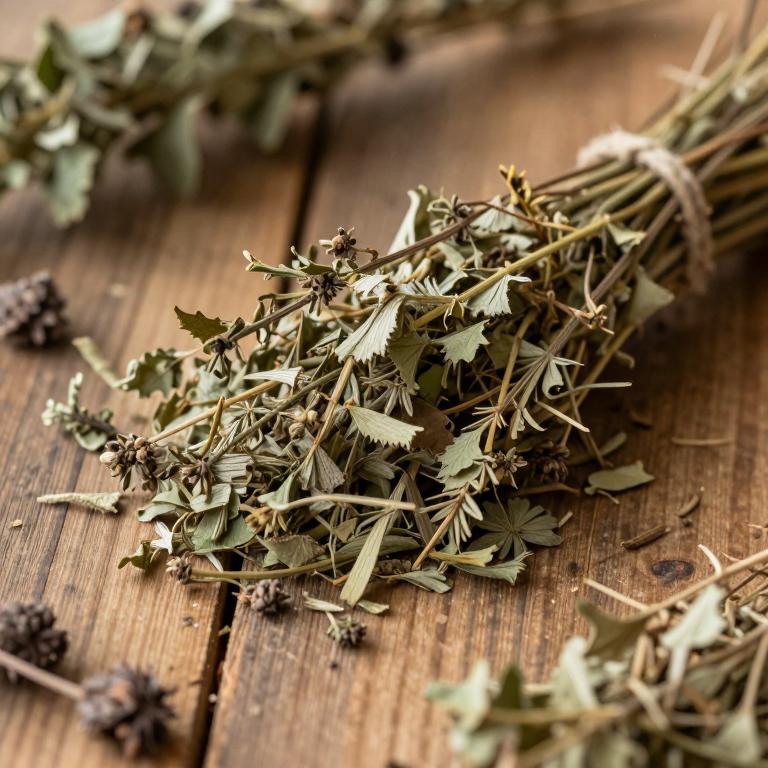
Amsonia orientalis is prepared as dried aerial parts according to the specific relationship identified. This processing method involves harvesting the above-ground portions of the plant for subsequent use. The dried aerial parts serve as the primary source material for extracting specific chemical components. Such preparation is a crucial step in the study of the plant's biological characteristics. Consequently, the utilization of these dried sections is a defining aspect of its documented handling.