Amentotaxus formosana
Amentotaxus formosana · Accepted scientific name
Scientific literature: Very Sparse (1 studies) · ★☆☆☆☆
Amentotaxus formosana, scientifically known as Amentotaxus formosana, is a rare coniferous evergreen native to the high-altitude forests of Taiwan. Highly valued in traditional medicine, this precious species is primarily sought for its taxanes, which possess significant anti-tumor properties and contribute to advanced pharmacological research in cancer treatment.
- Family
- Not available
- Native range
- Asia-Temperate
- Parts used
- Leaf
- Common names
- Not available
- Scientific synonyms
- Not available
Names and Synonyms
Scientific Names
Accepted name
Amentotaxus formosanaDistribution
This plant, known scientifically as Amentotaxus formosana, possesses a very restricted and specific geographical range. It is an endemic species found exclusively within the region of Eastern Asia. More specifically, its entire natural habitat is located on the island of Taiwan. This localized distribution makes the species highly unique to the mountainous terrains of that area. Consequently, its survival is deeply tied to the specific environmental conditions found only in its Taiwanese home.
| Region | Area |
|---|---|
| Eastern Asia | Taiwan |
Sources: The World Checklist of Vascular Plants (WCVP)
Botanical Identification
Life history
The life history of Amentotaxus formosana is characterized by its classification as a phanerophyte, specifically exhibiting growth patterns consistent with both phanerophyte and nanophanerophyte life forms. As a phanerophyte, the plant maintains its reproductive buds well above the ground level, protected by its woody structure, which allows it to endure environmental fluctuations. Within this category, its development often aligns with the nanophanerophyte scale, indicating a perennial growth habit where the perennial shoots remain relatively low but clearly elevated above the soil surface. This life history strategy supports its long-term survival in stable forest ecosystems, where its structural height is optimized for its specific ecological niche.
- Life form :
- phanerophyte
Morphology
The morphology of Amentotaxus formosana is characterized by a woody growth form, specifically existing as a tree. As a terrestrial organism, it is neither aquatic nor semiaquatic, and it maintains an independent lifestyle rather than functioning as a parasite or an epiphyte. The plant is strictly self-supporting in its structure, lacking any climbing, liana, or vine-like tendencies.
- Aquatic :
- terrestrial
- Climber :
- self-supporting
- Epiphyte :
- terrestrial
- Growth form :
- tree
- Parasite :
- independent
- Woodiness :
- woody
Physiology
The physiology of Amentotaxus formosana is characterized by its specialized metabolic processes and adaptation to high-altitude or shaded forest environments. A fundamental aspect of its metabolic framework is its photosynthetic pathway, which is strictly classified as C3. This C3 pathway involves the direct fixation of atmospheric carbon dioxide by the enzyme RuBisCO during the Calvin cycle, a process that is highly efficient under the temperate or cool-moist conditions typically inhabited by this species. The plant's physiological efficiency is closely tied to this C3 mechanism, as it relies on consistent moisture and moderate temperatures to minimize photorespiration and optimize biomass production. Furthermore, its physiological functions are integrated with its slow growth rate and secondary metabolite production, where the energy derived from C3 photosynthesis is partitioned toward the synthesis of complex bioactive compounds.
- Photosynthetic pathway :
- C3
Sources: Global Inventory of Floras and Traits (GIFT)
Plant Parts
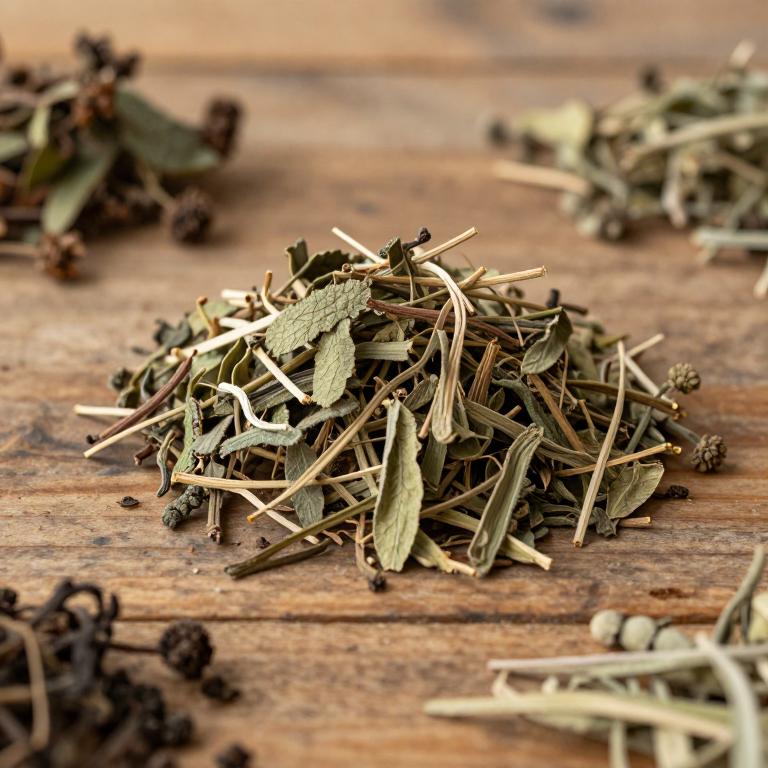
Amentotaxus formosana has 1 reported plant parts identified across 1 scientific publications and several other databases that are studied for medicinal purposes. The most consistently reported plant part include leaf.
| Plant part | Supporting sources | Consensus |
|---|---|---|
| Leaf | 1 supporting sources | ★☆☆☆☆ |
Leaf
- Journal of natural products