Amaranthus albus
Amaranthus albus · Accepted scientific name
Scientific literature: Very Sparse (0 studies) · ★☆☆☆☆
Amaranthus albus, commonly known as white amaranth, is a versatile plant that has long been valued for its nutritional density. This species contains essential fiber and complex carbohydrates that play a crucial role in promoting long-term satiety. By helping to regulate appetite and stabilize blood sugar, the plant serves as a functional dietary tool for managing weight. Incorporating its nutrient-rich seeds into a balanced meal can support metabolic health and assist in the prevention of obesity. Consequently, this ancient grain remains a powerful ally for those seeking to achieve a healthier body composition.
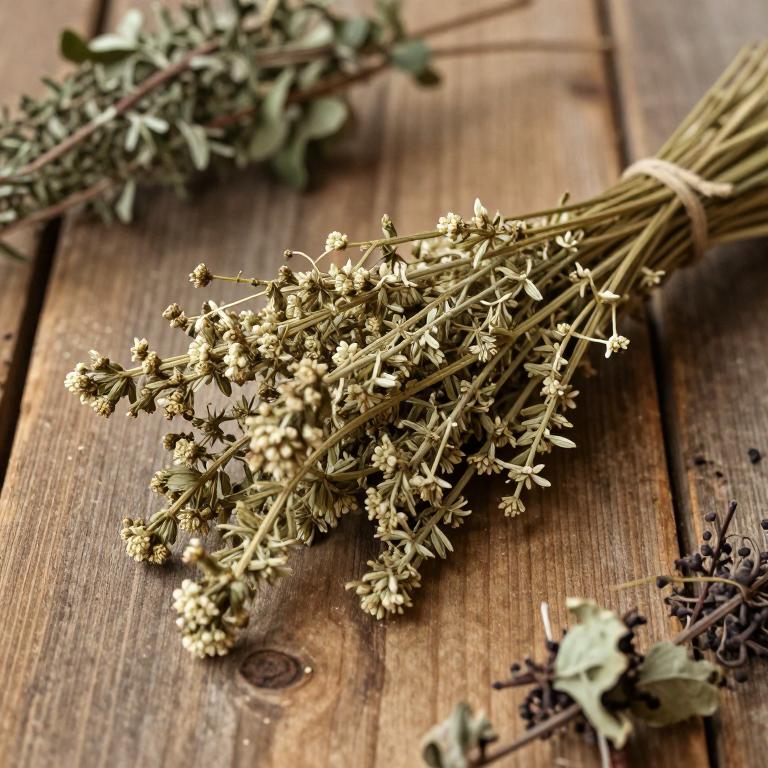
- Synonyms
- Amaranthus Campestris · Amaranthus Albus Var. Parviflorus · 9 more
- Common names
- Not available
- Family
- Amaranthaceae
- Distribution
- Not available
- Plant Parts
- Not available
Classification
Common Names
Amaranthus albus is a plant recognized by a diverse array of names across different languages and cultures. In English-speaking regions, it is most commonly referred to as White Pigweed, though it also carries the poetic Welsh designations of Blodyn Amor Gwyn and Chwyn Moch Gwyn. Its identity shifts as one travels through Europe, where it is known as Amaranto bianco in Italian contexts. In German-speaking areas, the species is identified as Weißer Amarant. These varied common names highlight the global presence and linguistic variety associated with this specific species.
Sources: Catalogue of Life (COL)
Synonyms
Amaranthus albus is a diverse species that encompasses several recognized botanical synonyms. Within its taxonomic range, the plant is identified through various forms such as Amaranthus albus var. monosepalus and Amaranthus albus var. parviflorus. It also includes specific variations like Amaranthus albus var. puberulus and Amaranthus albus var. pubescens. Furthermore, the classification extends to include Amaranthus albus var. rubicundus. These distinct varieties highlight the complex morphological relationships present within this single species.
Sources: The World Checklist of Vascular Plants (WCVP)
Taxonomy
Amaranthus albus belongs to the vast kingdom Plantae, representing the diverse world of living vegetation. Within this kingdom, the species is classified under the class Equisetopsida. It further falls into the order Caryophyllales, showcasing its specific evolutionary lineage. As a member of the family Amaranthaceae, it shares botanical characteristics with many other related herbs. Ultimately, this plant is defined by its placement within the genus Amaranthus.
| Rank | Classification |
|---|---|
| Kingdom | Plantae |
| Phylum | Streptophyta |
| Class | Equisetopsida |
| Subclass | Magnoliidae |
| Order | Caryophyllales |
| Family | Amaranthaceae |
| Genus | Amaranthus |
Sources: The World Checklist of Vascular Plants (WCVP)
Distribution
Geographic Regions
Amaranthus albus is a plant species primarily found throughout the diverse landscapes of Africa and the Macaronesia region, including the Canary Islands. Its presence is particularly notable across Northern Africa, where it has established significant populations. Within this region, the species can be identified in several distinct territories such as Algeria and Egypt. It also maintains a widespread distribution throughout Libya and Morocco. This wide geographic reach highlights the plant's ability to thrive across various North African environments.
Sources: The World Checklist of Vascular Plants (WCVP)
Identification
Morphology
Amaranthus albus is a self-supporting herb characterized by its versatile growth habits. This plant typically reaches a maximum height of 1 meter, though its stature can vary significantly depending on environmental conditions. While it can be found as short as 0.05 meters, it more commonly maintains a minimum height of around 0.5 meters. These varying dimensions illustrate the adaptable nature of its herbaceous structure. Understanding these size ranges is essential for identifying the species in various ecological settings.
Sources: Global Inventory of Floras and Traits (GIFT)
Biological Activities
Compounds
Conditions
Amaranthus albus serves as a promising medicinal candidate for the treatment of obesity due to its bioactive properties. Research indicates that this plant possesses significant lipase inhibitory activity, which helps prevent the digestion and absorption of lipids. Through HPLC analysis, the presence of the secondary metabolite p-coumaric acid was specifically identified within the plant. These findings suggest that the extracts from Amaranthus albus can effectively target the mechanisms responsible for weight gain. Consequently, the plant represents a valuable natural resource for developing new anti-obesity therapeutic approaches.