Alpinia flabellata
Alpinia flabellata · Accepted scientific name
Scientific literature: Very Sparse (4 studies) · ★☆☆☆☆
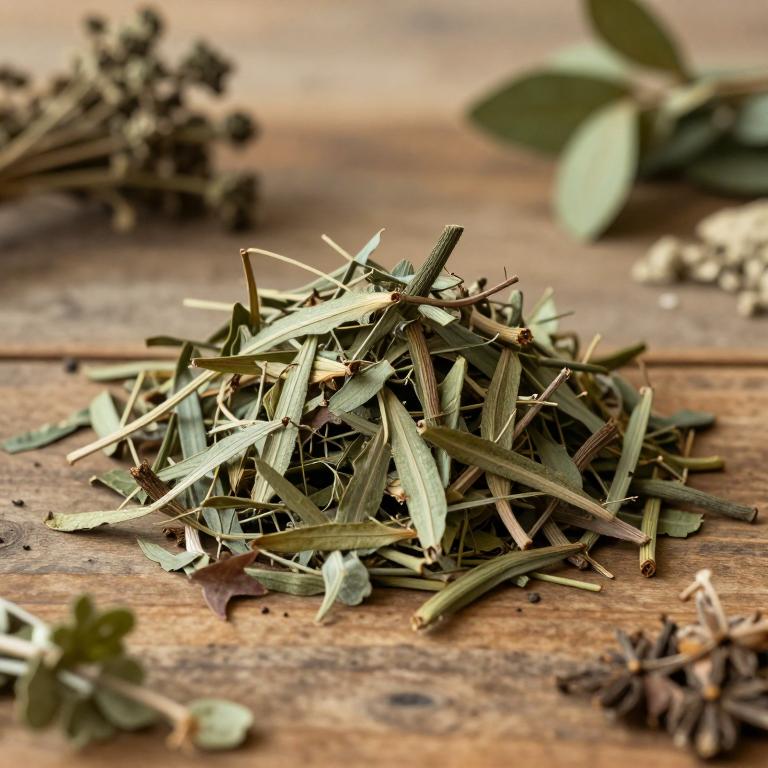
, scientifically known as Alpinia flabellata, is a versatile medicinal herb celebrated in traditional wellness practices. Belonging to the ginger family, this plant offers potent therapeutic benefits, including anti-inflammatory and antioxidant properties. Often utilized in herbal remedies, it serves as a vital natural resource for promoting holistic health and healing.
- Family
- Zingiberaceae
- Native range
- Asia-Temperate
- Parts used
- Leaf
- Common names
- Not available
- Scientific synonyms
- Alpinia Flabellata Var. Major · Alpinia Iriomotensis · 3 more
Names and Synonyms
Scientific Names
Accepted name
Alpinia flabellataSynonyms
- Alpinia flabellata var. major
- Alpinia iriomotensis
- Languas iriomotensis
- Languas flabellata
- Languas flabellata var. major
Sources: Wikidata, Catalogue of Life
Taxonomical Classification
This plant belongs to the kingdom Plantae and the phylum Streptophyta within the class Equisetopsida. It is classified under the subclass Magnoliidae and the order Zingiberales, falling into the family Zingiberaceae. Finally, it is categorized under the genus Alpinia.
| Rank | Classification |
|---|---|
| Kingdom | Plantae |
| Phylum | Streptophyta |
| Class | Equisetopsida |
| Subclass | Magnoliidae |
| Order | Zingiberales |
| Family | Zingiberaceae |
| Genus | Alpinia |
Sources: The World Checklist of Vascular Plants (WCVP)
Distribution
This plant exhibits a specific geographical distribution across several regions in East and Southeast Asia. In Eastern Asia, its presence is noted within the Nansei-shotō islands. The species is also found naturally throughout Taiwan. Moving into the Malesia region, it can be located in the Philippines. Together, these locations define the known natural range of Alpinia flabellaata.
| Region | Area |
|---|---|
| Eastern Asia | Nansei-shoto |
| Eastern Asia | Taiwan |
| Malesia | Philippines |
Sources: The World Checklist of Vascular Plants (WCVP)
Botanical Identification
Life history
The life history of Alpinia flabellata is characterized by its specialized survival strategy as a perennial herb, specifically categorized by its growth forms as both a geophyte and a cryptophyte. As a geophyte, the plant relies on underground storage organs, such as rhizomes, to persist through unfavorable environmental conditions and to facilitate regrowth during optimal growing seasons. This underground dependency is a hallmark of its life cycle, allowing it to store nutrients and water essential for its development. Furthermore, its classification as a cryptophyte indicates that its perennating buds are located below the soil surface, protecting the plant's vital regenerative structures from external stressors like temperature fluctuations or herbivory. This combination of life forms ensures that Alpinia flabellata can maintain a stable presence in its habitat, cycling through periods of active vegetative growth and dormancy supported by its subterranean architecture.
- Life form :
- geophyte
- Life form :
- cryptophyte
Morphology
The morphology of Alpinia flabellata is characterized by its growth form as a herb, displaying a non-woody structure throughout its vegetative parts. As a terrestrial plant, it grows directly in the soil rather than functioning as an epiphyte, and it maintains an independent existence without being a parasite on other organisms. Although it possesses a spreading habit, it is categorized as a self-supporting plant rather than an obligatory or facultative climber, relying on its own structural integrity for upright growth.
- Climber :
- self-supporting
- Epiphyte :
- terrestrial
- Growth form :
- herb
- Parasite :
- independent
- Woodiness :
- non-woody
Sources: Global Inventory of Floras and Traits (GIFT)
Plant Parts
Alpinia flabellata has 1 reported plant parts identified across 1 scientific publications and several other databases that are studied for medicinal purposes. The most consistently reported plant part include leaf.
| Plant part | Supporting sources | Consensus |
|---|---|---|
| Leaf | 1 supporting sources | ★☆☆☆☆ |
Leaf
- Journal of natural products
Chemicals
Alpinia flabellata has 3 reported phytochemicals identified across 1 scientific publications and several other databases. The most consistently reported chemicals include 2,4,5-Trimethoxybenzoic acid, 2,4,5-Trimethoxycinnamic acid, 5-Hydroxy-3,7,4'-trimethoxyflavone.
| Chemical | Supporting sources | Consensus |
|---|---|---|
| 2,4,5-Trimethoxybenzoic acid | 1 supporting sources | ★☆☆☆☆ |
| 2,4,5-Trimethoxycinnamic acid | 1 supporting sources | ★☆☆☆☆ |
| 5-Hydroxy-3,7,4'-trimethoxyflavone | 1 supporting sources | ★☆☆☆☆ |
2,4,5-Trimethoxybenzoic acid
- Journal of natural products
2,4,5-Trimethoxycinnamic acid
- Journal of natural products
5-Hydroxy-3,7,4'-trimethoxyflavone
- Journal of natural products