Alphitonia franguloides
Alphitonia franguloides · Accepted scientific name
Scientific literature: Very Sparse (0 studies) · ★☆☆☆☆
Alphitonia franguloides, commonly known as Red Ash, is a versatile shrub native to various subtropical and tropical regions. This resilient plant is highly regarded in traditional medicine for its diverse range of therapeutic properties. Many practitioners utilize its leaves to target various systemic issues, particularly those involving intense pain. It is frequently employed as a natural remedy to alleviate the discomfort of a headache. Furthermore, its potent bioactive compounds make it an effective tool for reducing bodily inflammation.
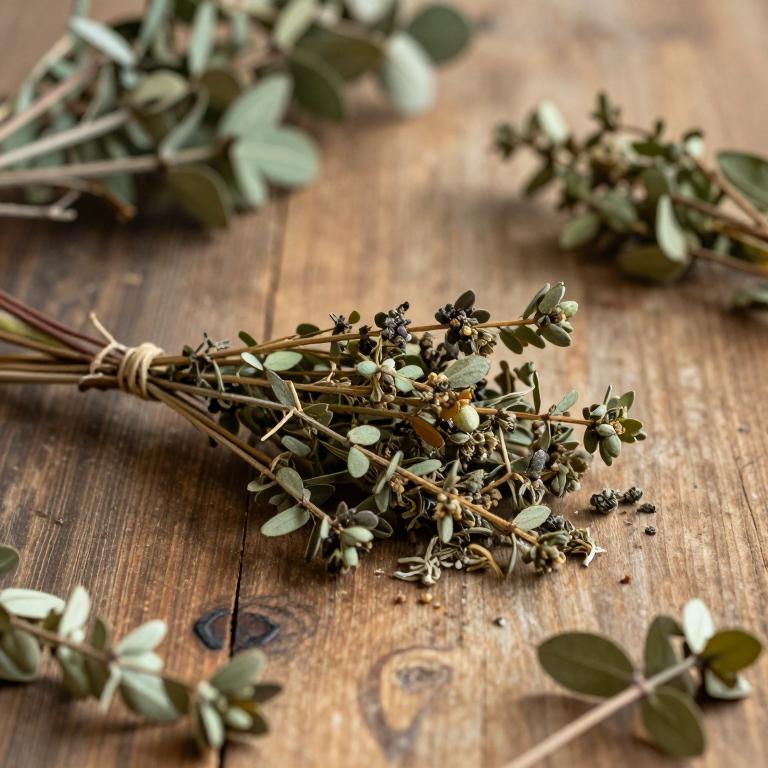
- Synonyms
- Alphitonia Excelsa Var. Franguloides
- Common names
- Not available
- Family
- Rhamnaceae
- Distribution
- Not available
- Plant Parts
- Not available
Classification
Common Names
Alphitonia franguloides is a distinctive plant species recognized for its unique ecological presence. In various local contexts, it is widely known by the common name Doi Damu. This specific nomenclature helps botanists and enthusiasts identify the plant within its native habitat more easily. Understanding these regional naming conventions provides valuable insight into how different cultures interact with local flora. Consequently, recognizing the connection between its scientific and common names is essential for accurate botanical study.
Sources: Catalogue of Life (COL)
Synonyms
Alphitonia franguloides is a botanical species that is frequently identified through various taxonomic designations. Within scientific literature, it is often recognized by its synonym, Alphitonia excelsa var. franguloides. This naming overlap can sometimes lead to confusion for researchers attempting to categorize the plant accurately. Understanding these linguistic relationships is essential for maintaining consistency in ecological studies and horticultural records. Ultimately, recognizing these synonyms ensures that the plant is correctly documented across different botanical databases.
Sources: The World Checklist of Vascular Plants (WCVP)
Taxonomy
Alphitonia franguloides is a distinctive species belonging to the kingdom Plantae. Within this vast biological realm, it is specifically classified under the class Equisetopsida. The plant falls under the order Rosales, a group that showcases diverse botanical characteristics. Further narrowing its lineage, it is a member of the family Rhamnaceae. Ultimately, this specimen is identified by its unique placement within the genus Alphitonia.
| Rank | Classification |
|---|---|
| Kingdom | Plantae |
| Phylum | Streptophyta |
| Class | Equisetopsida |
| Subclass | Magnoliidae |
| Order | Rosales |
| Family | Rhamnaceae |
| Genus | Alphitonia |
Sources: The World Checklist of Vascular Plants (WCVP)
Distribution
Geographic Regions
Alphitonia franguloides is a plant species that boasts a presence across several regions of the Pacific. Its natural distribution spans the Southwestern Pacific, making it a notable part of the local flora. Specifically, the species can be found thriving within the islands of Fiji. Additionally, it maintains a documented presence in Tonga, further highlighting its regional importance. These locations underscore the plant's ability to adapt to the diverse environments found throughout these island nations.
Sources: The World Checklist of Vascular Plants (WCVP)
Identification
Morphology
Alphitonia franguloides is characterized by its distinct growth form as a shrub.
Sources: Global Inventory of Floras and Traits (GIFT)
Biological Activities
Compounds
Conditions
Alphitonia franguloides is utilized in customary medicine to treat various ailments, including skin conditions and inflammation. This plant is also used to alleviate headaches and stomachaches. Furthermore, it serves as a remedy for body pain, specifically addressing issues such as joint pain and childbirth. Despite these documented uses, the provided text notes that no specific biological activity or phytochemistry studies have been conducted on this particular species yet.