Aloysia
Aloysia · Accepted scientific name
Scientific literature: Very Sparse (2 studies) · ★☆☆☆☆
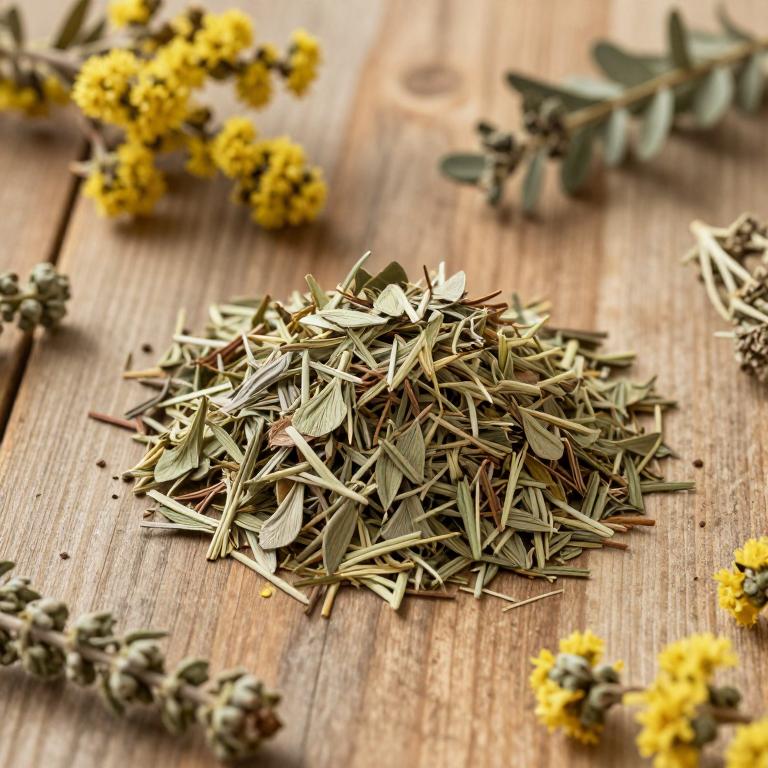
Aloysia is a versatile genus of flowering plants known for its aromatic properties and therapeutic potential. Many species within this group are highly valued in herbal medicine for their ability to support mental well-being. Specifically, the plant exhibits significant antidepressant activities that help elevate mood. It also serves as a potent anxiolytic, providing natural relief from feelings of anxiety and stress. These calming qualities make Aloysia a fascinating subject for both botanical study and holistic wellness.
- Synonyms
- Xeroaloysia · Dadia · 1 more
- Common names
- Not available
- Family
- Not available
- Distribution
- Not available
- Plant Parts
- Not available
Classification
Common Names
Aloysia is a genus of plants known by various names depending on the linguistic and regional context. In German-speaking areas, it is frequently referred to as Zitronensträucher or within the citronverbenesläktet group. It also carries the common names aloisie and alojzia, which reflect its historical nomenclature. In Finnish, the plant is identified as terttuverbenat, highlighting its specific botanical classification in that region. These diverse names all point toward the same unique and fragrant group of shrubs.
Sources: Catalogue of Life (COL)
Synonyms
Aloysia represents a complex genus that has undergone various taxonomic reclassifications over time. Within botanical literature, this group is frequently associated with the synonym Acantholippia. Researchers also recognize Dadia as an alternative name for certain species within the lineage. Furthermore, the classification Xeroaloysia has been utilized to describe specific variations of these plants. Understanding these overlapping names is essential for maintaining accuracy in botanical studies.
Sources: The World Checklist of Vascular Plants (WCVP)
Distribution
Geographic Regions
Aloysia displays a widespread distribution across various regions of the European continent. Its presence can be traced through Middle Europe, specifically within the borders of Germany. The plant also flourishes in Southeastern Europe, with notable populations found in Albania. Moving toward the west, it is well-established in Southwestern Europe, spanning across France and Spain. Furthermore, this resilient species can be found growing in the unique landscape of Sardegna.
Sources: The World Checklist of Vascular Plants (WCVP)
Identification
Biological Activities
Aloysia species have long been utilized in traditional medicine to address various affective disorders. Recent preclinical studies have confirmed that plants within this genus possess significant anxiolytic and antidepressant activities. Specifically, research involving mice demonstrated that ethanolic extracts of Aloysia gratissima and Aloysia virgata effectively reduced immobility times in behavioral tests. These results suggest that the extracts perform comparably to, or even exceed, the efficacy of standard antidepressant drugs like imipramine. Such findings highlight the promising therapeutic potential of the Aloysia genus in managing mental health burdens.