Aloysia polystachya
Aloysia polystachya · Accepted scientific name
Scientific literature: Very Sparse (4 studies) · ★☆☆☆☆
Aloysia polystachya, commonly known as Lemon Verbena, is a versatile plant highly valued for its diverse therapeutic potential. The leaves of this species serve as the primary source for various preparations, including essential oils and hydroalcoholic extracts. Rich in bioactive compounds such as acteoside and carvone, the plant exerts significant pharmacological effects on the central nervous system. Scientific studies highlight its notable anxiolytic, antidepressant, and sedative activities. Consequently, it is frequently utilized as a natural remedy to manage conditions requiring sedation and emotional balance.
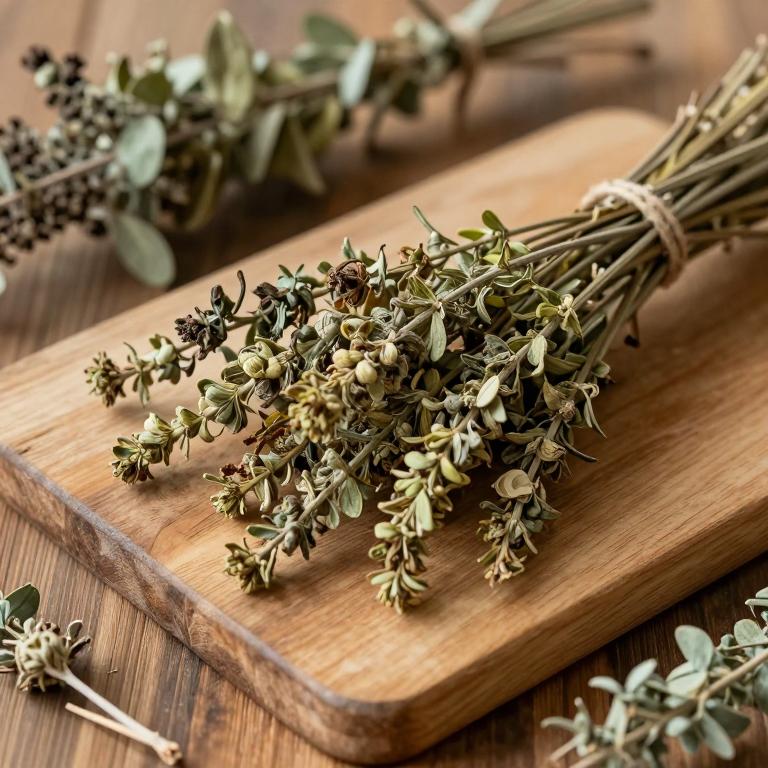
- Synonyms
- Lippia Polystachya
- Common names
- Not available
- Family
- Verbenaceae
- Distribution
- Southern America
- Plant Parts
- Leaf
Classification
Common Names
Aloysia polystachya is a versatile plant known by a diverse array of regional and linguistic names. In German-speaking areas, it is frequently referred to as the Argentinischer Minzstrauch. It also carries the common nicknames Burro and burrito, which reflect its unique cultural identity. In certain regions, you may encounter it called Ka'á jaguá, while others use the name alojzia mnohoklasá. These various monikers highlight the widespread botanical interest and cultural significance of this species across the globe.
Sources: Catalogue of Life (COL)
Synonyms
Aloysia polystachya is a botanical species frequently identified by its scientific synonym, Lippia polystachya. While taxonomic classifications can shift over time, both names refer to the same distinct plant. This nomenclatural relationship highlights the evolving nature of botanical nomenclature within the scientific community. Understanding these synonymous links is essential for researchers seeking accurate identification in various databases. Therefore, recognizing both terms ensures clarity when discussing this particular species in herbal or ecological studies.
Sources: The World Checklist of Vascular Plants (WCVP)
Taxonomy
Aloysia polystachya is a distinctive species belonging to the kingdom Plantae. Within this vast biological realm, it is classified under the class Equisetopsida. This plant is further organized into the order Lamiales, showcasing its evolutionary connections. It holds a specific place within the family Verbenaceae, a group known for diverse botanical characteristics. Ultimately, its identity is defined by its membership in the genus Aloysia.
| Rank | Classification |
|---|---|
| Kingdom | Plantae |
| Phylum | Streptophyta |
| Class | Equisetopsida |
| Subclass | Magnoliidae |
| Order | Lamiales |
| Family | Verbenaceae |
| Genus | Aloysia |
Sources: The World Checklist of Vascular Plants (WCVP)
Distribution
Geographic Regions
Aloysia polystachya is a plant species primarily distributed throughout the vast regions of Southern America. Its presence is notably widespread across Southern South America, spanning several distinct geographical territories. Within this region, the plant can be found throughout the northeast and northwest portions of Argentina. Additionally, its natural habitat extends into Paraguay, marking a significant part of its southern range. The species also reaches into Western South America, specifically establishing itself within the borders of Bolivia.
Sources: The World Checklist of Vascular Plants (WCVP)
Identification
Morphology
Aloysia polystachya grows in a distinctive shrub form, providing a lush and textured presence in any landscape. This resilient plant is entirely self-supporting, allowing it to maintain its structural integrity without the need for external assistance.
Sources: Global Inventory of Floras and Traits (GIFT)
Biological Activities
Aloysia polystachya is a medicinal plant that has long been utilized in folk medicine to treat various psychiatric and physiological disturbances. Research indicates that this species possesses significant anxiolytic activity, which has been demonstrated in preclinical studies. Furthermore, the plant serves as an effective antidepressant agent, with studies in zebrafish showing effects comparable to fluoxetine. Its traditional use as a sedative also highlights its potential role in managing mood-related disorders and nerve tonics. These promising therapeutic properties are likely linked to the presence of major chemical compounds such as acteoside.
Compounds
Aloysia polystachya is a medicinal plant recognized for its diverse therapeutic potential in treating psychiatric and gastrointestinal disorders. Chemical analysis of its extracts reveals the presence of key bioactive compounds, most notably the major constituent acteoside, which contributes to its anxiolytic and antidepressant properties. The plant also contains carvone, a compound that has demonstrated significant gastroprotective and gastric healing effects in recent studies. Furthermore, mass spectrometry has identified several important phenolic constituents within the plant, including caffeic acid, gallic acid, and epigallocatechin. Together, these various phytochemicals support the traditional ethnobotanical uses of the species and highlight its promise as a natural therapeutic agent.
Conditions
Aloysia polystachya serves as an antidepressant agent and demonstrates significant antidepressant activity, performing similarly to fluoxetine in zebrafish models. This medicinal plant is also used to treat anxiety- and depression-related humor disturbances. Furthermore, the extract provides anxiolytic activity by effectively managing psychological distress. Specifically, the plant treats the anxiogenic effect of caffeine without impairing locomotion.
Preparations
Aloysia polystachya is prepared as HELAp, which serves as a hydroethanolic extract from the leaves used to study antidepressant and anxiolytic effects. The plant is also prepared as essential oils, which are characterized by a predominance of carvone and studied for their potential in postharvest disease control. Furthermore, Aloysia polystachya is prepared as a hydroalcoholic extract to investigate its gastroprotective and gastric healing properties. These various preparation methods, including the specific hydroethanolic extract from the leaves, allow researchers to explore the plant's diverse medicinal applications. Through these different preparations, the plant's bioactive compounds are utilized for both psychiatric and gastrointestinal therapeutic research.
Parts used
Aloysia polystachya is a medicinal plant that has been traditionally utilized in folk medicine to treat respiratory, digestive, and nervous system disturbances. Recent scientific research has focused specifically on the hydroethanolic extract derived from the plant's leaf to investigate its therapeutic potential. By testing this leaf extract on zebrafish, researchers were able to observe significant anxiolytic and antidepressant activities. The study identified acteoside as the primary chemical compound within the extract responsible for these beneficial effects. Ultimately, the findings suggest that the leaves of this species could serve as a valuable natural resource for treating anxiety and depression.