Aloe stans
Aloe stans · Accepted scientific name
Scientific literature: Very Sparse (1 studies) · ★☆☆☆☆
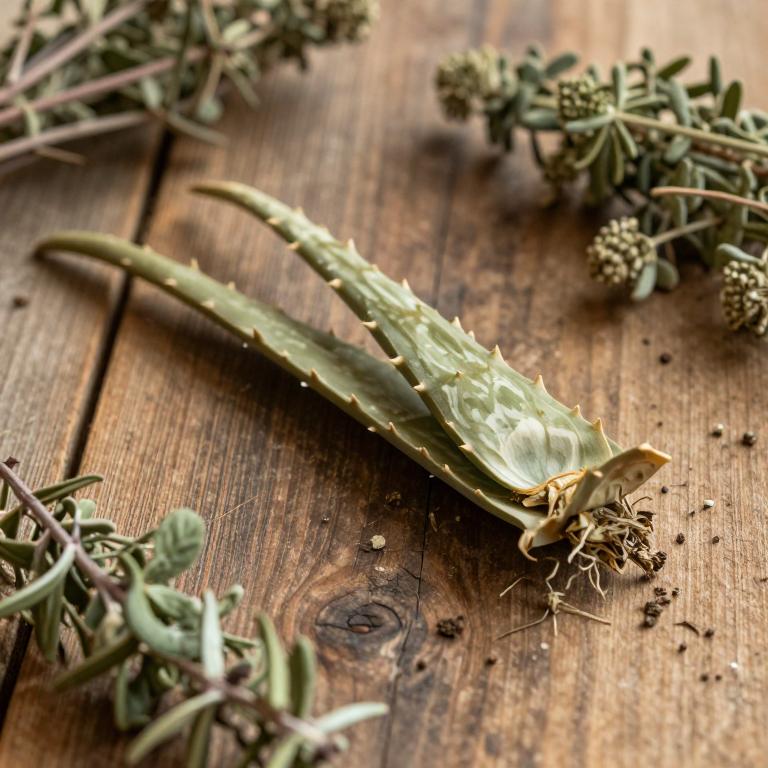
Aloe stans is a distinctive succulent species known for its striking appearance and unique biological properties. Beyond its ornamental value, this plant has gained significant attention for its potential medicinal applications. Research indicates that it possesses notable antimalarial activities that could assist in managing parasitic infections. Specifically, it is studied for its ability to combat the symptoms and progression of malaria. Understanding these therapeutic benefits highlights the important role this plant plays in traditional and modern pharmacology.
- Synonyms
- Not available
- Common names
- Not available
- Family
- Not available
- Distribution
- Not available
- Plant Parts
- Not available
Classification
Distribution
Identification
Biological Activities
Aloe stans is recognized for its significant antimalarial activity within the context of traditional medicine. In the Tororo District of Eastern Uganda, indigenous communities rely heavily on diverse plant species to manage the symptoms of this life-threatening disease. Recent ethnobotanical studies have identified numerous plants used by local herbalists, highlighting the potential of these species for pharmacological development. By documenting these traditional practices, researchers aim to address the urgent need for novel drugs to combat increasing resistance in Plasmodium species. Consequently, studying the efficacy and phytochemistry of plants like Aloe stans provides a vital foundation for discovering new therapeutic treatments.
Compounds
Conditions
Aloe stans is recognized within the context of medicinal plant research for its potential role in managing malaria. While the provided study focuses on various species in the Tororo District of Uganda, it highlights how indigenous communities utilize specific plants to treat malarial symptoms. Although Aloe nobilis was explicitly mentioned as a frequently used species, the broader research into these herbal remedies underscores the importance of plants like Aloe stans in traditional medicine. Such botanical resources serve as vital tools for local populations seeking to combat the effects of Plasmodium species. Consequently, these plant relationships offer a significant foundation for discovering new antimalarial drug candidates.