Aloe pirottae
Aloe pirottae · Accepted scientific name
Scientific literature: Very Sparse (0 studies) · ★☆☆☆☆
Aloe pirottae is a distinctive botanical species recognized for its diverse range of traditional medicinal applications. When prepared as a specialized gel, this plant serves as a versatile remedy for various health concerns. It is frequently utilized in folk medicine to address conditions such as eye diseases and gallstones. Furthermore, it plays a significant role in treating systemic issues like malaria and managing the effects of snake bites. This plant remains a subject of interest for those exploring natural treatments for acute medical ailments.
- Synonyms
- Not available
- Common names
- Not available
- Family
- Asphodelaceae
- Distribution
- Not available
- Plant Parts
- Not available
Classification
Taxonomy
Aloe pirottae is a distinctive botanical specimen belonging to the kingdom Plantae. Within this vast kingdom, it is classified under the class Equisetopsida. It further resides in the order Asparagales, showcasing its specific evolutionary lineage. As a member of the family Asphodelaceae, it shares structural traits with many other succulent species. Finally, this plant is identified by its specific genus, Aloe, which defines its unique characteristics.
| Rank | Classification |
|---|---|
| Kingdom | Plantae |
| Phylum | Streptophyta |
| Class | Equisetopsida |
| Subclass | Magnoliidae |
| Order | Asparagales |
| Family | Asphodelaceae |
| Genus | Aloe |
Sources: The World Checklist of Vascular Plants (WCVP)
Distribution
Geographic Regions
Aloe pirottae is a distinctive succulent species primarily found within the diverse landscapes of the African continent. Its natural range extends across East Tropical Africa, where it can be specifically located in the regions of Kenya. Furthermore, this plant maintains a significant presence in Northeast Tropical Africa, particularly throughout Ethiopia. These specific geographic distributions highlight the plant's adaptation to varying ecological niches within these territories. Understanding these locations is essential for researchers studying the botanical diversity of the African highlands.
Sources: The World Checklist of Vascular Plants (WCVP)
Identification
Morphology
Aloe pirottae is characterized by its distinct growth form as a herb. This plant is naturally self-supporting, allowing it to maintain its structure within its environment.
Sources: Global Inventory of Floras and Traits (GIFT)
Biological Activities
Compounds
Conditions
Aloe pirottae is an endemic Ethiopian species that serves as a valuable remedy for malaria and eye diseases. This medicinal plant is also utilized to treat gallstones and gastro-intestinal parasites. Furthermore, a gel extracted from its dried and ground material, known as SIBRI, is acclaimed as a cleaner of the human colon. These diverse therapeutic applications highlight the significant medicinal importance of the species within local communities.
Preparations
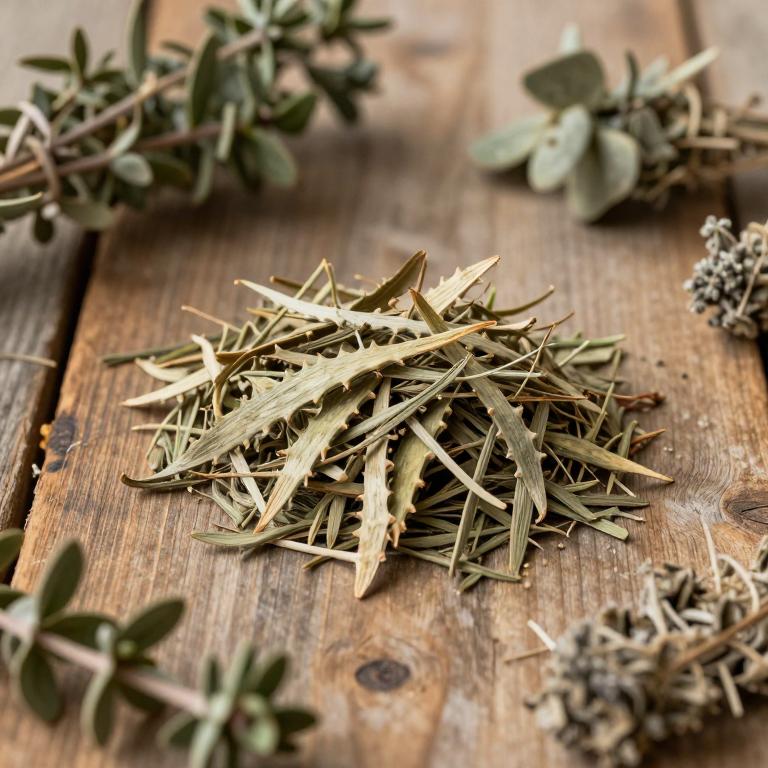
Aloe pirottae is prepared as jel to serve various medicinal purposes within the pastoral communities of eastern Ethiopia. This specific preparation, known locally as SIBRI in the Oromo language, is created by using dried and ground plant material. Once processed into this gel form, it is highly acclaimed for its ability to act as a cleaner of the human colon. The plant is a significant resource in the region, being one of the most frequently cited species for treating diverse ailments. Through this jel preparation, the species provides essential traditional healthcare for the local population.