Allophylus edulis
Allophylus edulis · Accepted scientific name
Scientific literature: Very Sparse (0 studies) · ★☆☆☆☆
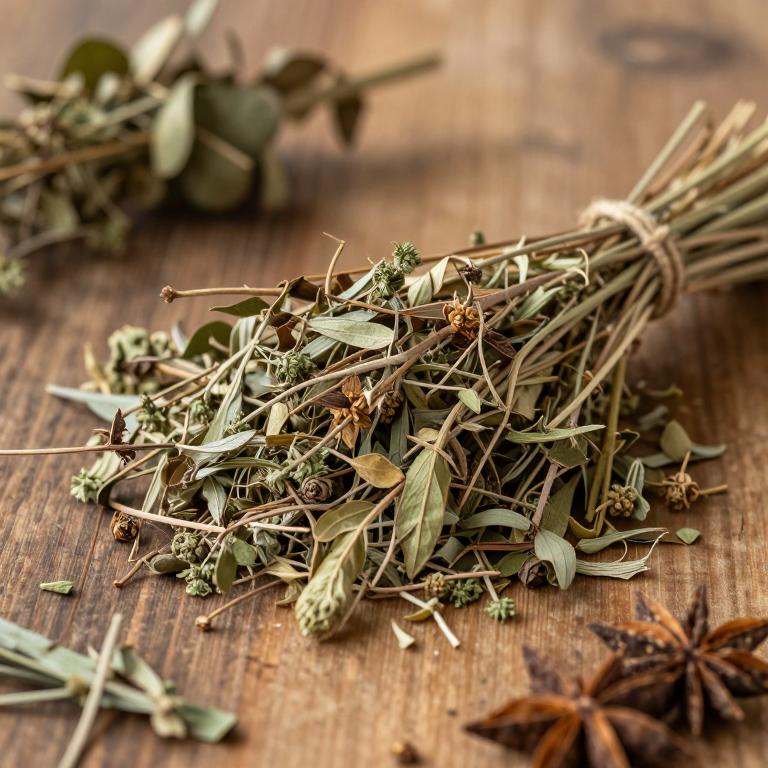
Allophylus edulis is a versatile plant species that has gained significant attention for its various medicinal properties. The leaves of this plant are particularly valued for their potent antioxidant activity and ability to combat inflammation. When utilized in different preparations, such as essential oils or integrated into hot and cold versions of the yerba mate beverage, they offer diverse health benefits. Research suggests that these extracts can positively influence the digestive system and assist in managing hypertension. Consequently, this plant serves as a valuable natural resource for supporting overall physiological wellness.
- Synonyms
- Allophylus Puberulus · Allophylus Pauciflorus Var. Rojasii · 10 more
- Common names
- Not available
- Family
- Sapindaceae
- Distribution
- Asia-Tropical
- Plant Parts
- Leaf
Classification
Common Names
Allophylus edulis is a versatile plant known by a wide variety of regional names depending on its location. In certain areas, it is commonly referred to as Baga-de-morcego, highlighting its unique local identity. It is also frequently called Chal chal, Chal-chal, or Chala-chala, showing the linguistic diversity surrounding the species. Additionally, some people recognize this plant by the name Cocú. These various common names reflect the deep cultural and regional connections people have with this specific species.
Sources: Catalogue of Life (COL)
Synonyms
Allophylus edulis is a taxonomically diverse species that encompasses several recognized botanical synonyms. Within its classification, it includes distinct varieties such as var. gracilis, var. rosae, and var. subsessilis. The plant's complex identity is further extended by its relationship to Allophylus membranifolius. Additionally, the species is linked to the specific variety known as Allophylus pauciflorus var. rojasii. Understanding these various nomenclature connections is essential for accurate botanical identification.
Sources: The World Checklist of Vascular Plants (WCVP)
Taxonomy
Allophylus edulis is a remarkable organism belonging to the kingdom Plantae. Within this vast biological realm, it is classified under the class Equisetopsida. It further finds its place within the order Sapindales, showcasing its specific evolutionary lineage. This plant is a distinguished member of the genus Allophylus. Finally, it is nested within the diverse Sapindaceae family, completing its complex botanical identity.
| Rank | Classification |
|---|---|
| Kingdom | Plantae |
| Phylum | Streptophyta |
| Class | Equisetopsida |
| Subclass | Magnoliidae |
| Order | Sapindales |
| Family | Sapindaceae |
| Genus | Allophylus |
Sources: The World Checklist of Vascular Plants (WCVP)
Distribution
Geographic Regions
Allophylus edulis is widely distributed across various regions of South America, with a particularly significant presence throughout Brazil. This plant can be found spanning the diverse landscapes of Brazil's Northeast and Southeast territories. Its range also extends into the North and South regions, demonstrating remarkable adaptability to different climates. Furthermore, the species is well-established within the West-Central part of the country. This widespread distribution highlights the botanical importance of the species across the South American continent.
Sources: The World Checklist of Vascular Plants (WCVP)
Identification
Morphology
Allophylus edulis is a self-supporting plant that takes the form of a sturdy tree. This species typically reaches a maximum height of approximately 8 m, though it can grow up to 13 m under certain conditions. Its structural integrity allows it to stand firmly within its natural habitat. By maintaining this consistent growth habit, the plant plays a stable role in its ecosystem.
Sources: Global Inventory of Floras and Traits (GIFT)
Biological Activities
Compounds
Conditions
Allophylus edulis serves as a natural anti-inflammatory agent, a property supported by its traditional use in treating throat inflammation through infusions. Scientific studies have demonstrated its ability to treat CFA-induced paw inflammation, specifically addressing mechanical and thermal hyperalgesia. The plant also exhibits significant antioxidant activity, as evidenced by testing against DPPH and ABTS assays. Furthermore, the essential oil and its major constituent, viridiflorol, show moderate anti-mycobacterial activity against Mycobacterium tuberculosis. These diverse biological properties confirm the plant's potential for various therapeutic applications.
Preparations
Allophylus edulis is prepared as an essential oil that has demonstrated significant anti-inflammatory and antihyperalgesic effects in scientific studies. This plant is also frequently integrated into the traditional practice of consuming yerba mate. Specifically, it is used as a medicinal additive in both the hot and cold versions of the yerba mate beverage. Among the many species utilized in this way, Allophylus edulis holds the distinction of having the highest number of citations in Paraguayan folk medicine. These diverse preparations highlight the plant's versatility in both concentrated oil form and as a component of traditional infusions.
Parts used
Allophylus edulis is a medicinal plant recognized for the therapeutic potential found within its leaves. In traditional folk medicine, an infusion made from these leaves is commonly used to treat intestinal disorders and throat inflammation. Scientific investigations have confirmed that the essential oil extracted from the leaves possesses significant anti-inflammatory properties. Recent studies show that major compounds such as caryophyllene oxide and α-zingiberene, found in the leaf oil, contribute to effective antiedematogenic and antihyperalgesic effects. Ultimately, these findings support the continued use of the plant's leaves in managing various inflammatory conditions.